

The psychology of money is the study of how emotions, cognitive biases, upbringing, and daily habits influence your financial decisions far more than spreadsheet math or income level. In India during 2026–2027 where frictionless UPI payments, instant social comparison, and retail inflation above 6% test household budgets daily mastering the psychology of money determines whether your paycheck builds lasting security or vanishes into impulse spending. While financial awareness improves decision-making, outcomes always depend on income stability, inflation, and personal discipline. At Pocketly, we see firsthand how mindful money habits help young Indians borrow transparently and protect their cash flow whether budgeting daily expenses or checking repayments on our personal loan EMI calculator.
Quick Answer: What Is the Psychology of Money?
What is the psychology of money? It is the behavioral relationship between human emotions and personal finance explaining why two people with identical salaries end up with completely different net worths. Rather than relying purely on financial formulas, the psychology of money shows that patience, emotional self-control, delayed gratification, and risk awareness matter more than high intelligence when saving, investing, or taking credit.
Why the Psychology of Money Matters More in India in 2026–2027
Understanding the psychology of money has never been more urgent for Indian students, first-jobbers, salaried employees, freelancers, and self-employed earners. According to Ministry of Statistics and Programme Implementation (MoSPI) and Reserve Bank of India (RBI) updates in late 2026, headline Consumer Price Index (CPI) inflation breached the RBI's 6% upper tolerance band at 6.09% in October 2026, prompting the Monetary Policy Committee to raise the policy repo rate to 5.50%.
When living costs climb while digital payments remove the physical "pain of paying," behavioral traps multiply:
-
Frictionless UPI Spending: Scanning a QR code takes two seconds, making five ₹250 cafe or quick-commerce orders feel trivial until month-end balances run dry. Read our guide on how India's digital public infrastructure is changing financial services to see how instant payment rails reshape spending behavior.
-
Social Media Lifestyle Creep: Curated travel, gadgets, and weekend upgrades trigger Fear of Missing Out (FOMO), pushing young earners to upgrade lifestyles the moment salaries rise. Explore how to break this cycle in our article on lifestyle inflation and savings.
-
Inflation Blindness: Keeping surplus money idle in low-yield accounts while food and urban living costs rise erodes real purchasing power a core principle explained in our guide on the time value of money.
-
Emotional Borrowing Under Stress: Panic during a month-end cash crunch can drive borrowers toward unverified apps instead of checking regulated terms.
How Does the Psychology of Money Work? Core Behavioral Triggers
In everyday life, the psychology of money operates through subconscious mental shortcuts that either protect or drain your bank account:
|
Behavioral Pattern |
How It Shows Up in Daily Indian Life |
Financial Consequence |
Practical Behavioral Counter-Move |
|
Present Bias |
Prioritizing a weekend splurge or flash-sale gadget today over future savings |
Zero emergency buffer when medical or repair bills hit |
Automate savings on salary day using our 50 30 20 rule calculator |
|
Loss Aversion |
Holding losing stocks out of pride or avoiding sensible credit during emergencies |
Locked capital or missed career/health opportunities |
Make decisions using objective cash-flow math rather than ego |
|
Herd Mentality |
Chasing hyped IPOs, speculative trades, or unverified lending apps because peers did |
Capital losses or predatory debt traps |
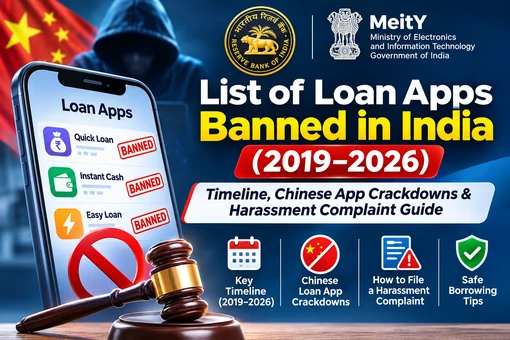
Verify fundamentals and check our list of loan apps banned in India before trusting apps |
|
Mental Accounting |
Treating a freelance bonus or tax refund as "free fun money" while struggling with bills |
Inconsistent cash flow and recurring month-end deficits |
Assign every rupee a clear purpose across needs, buffers, and goals |
How Different Indian Earners Experience the Psychology of Money
Because income predictability shapes financial anxiety, mastering the psychology of money looks different depending on how you earn:
-
College Students & Non-Salaried Earners: Managing limited pocket allowances or internship stipends teaches early boundary-setting. When genuine academic or relocation gaps arise without corporate payslips, our personal loan for non salaried applicants provides a structured, paperless way to handle essential needs responsibly.
-
First-Jobbers & Salaried Professionals: Receiving a steady monthly paycheck often creates an illusion of permanent safety, leading to recurring subscriptions and high EMIs. If an unexpected medical or household expense arrives days before payday, explore our personal loan for salaried applicants to bridge the gap without breaking long-term investments.
-
Freelancers & Self-Employed Professionals: Variable client payouts create alternating cycles of overconfidence during high-earning months and stress during slow quarters. Smoothing out invoice delays or urgent equipment repairs becomes easier when you pair a cash buffer with our personal loan for self employed options.
Step-by-Step: How to Rewire Your Money Mindset in 2026–2027
Improving your psychology of money does not require extreme deprivation it requires designing simple friction around bad habits and removing friction from good ones:
-
Separate Spending from Saving on Day One: Transfer at least 20% of every paycheck or client invoice into a separate savings or investment account before spending on discretionary wants. Test your monthly split on our 50 30 20 rule calculator.
-
Introduce a 24-Hour Cooling-Off Rule: Whenever you feel tempted to make an unplanned online purchase above ₹1,500, wait 24 hours. Most impulse urges fade once the initial dopamine spike passes.
-
Cap Fixed Debt Commitments Under 40%: Emotional borrowing happens when monthly obligations choke your take-home pay. Check your safe repayment headroom beforehand using our FOIR calculator.
-
Build Small, Tangible Reserves: Watching a small emergency reserve grow whether in a liquid fund or micro-savings like digital gold reduces financial panic during sudden disruptions.
-
Borrow Only for Clear, Time-Bound Needs: When a genuine liquidity gap occurs, compare total borrowing costs upfront rather than reacting out of urgency. You can also explore better money habits that improve cash flow in 2026 for daily routines that stick.
Borrowing Psychology: Smart Credit vs. Impulse Debt
A healthy psychology of money views credit as a precision tool never as free extra income. At Pocketly, eligible Indian residents can explore personal loans from ₹1,000 to ₹50,000 (with flexible tenures from 61 days to 9 months, monthly interest rates of 2% to 3%, processing fees of 0% to 9.4% inclusive of 18% GST, and APR up to 99.73% / 30%–121% across structures), facilitated through our RBI-registered NBFC partner, Speel Finance Company Private Limited (CIN: U65920MH1995PTC090558), subject to digital KYC and underwriting criteria.
|
Decision Factor |
Impulse / Emotional Borrowing |
Mindful, Responsible Borrowing |
|
Trigger |
Flash sales, social pressure, or panic clicks on unknown links |
Essential medical, utility, repair, or invoice-bridging gaps |
|
Platform Verification |
Downloads unverified 7-day APK apps promising zero checks |
Verifies RBI-registered NBFC partner and reviews responsible lending norms |
|
Cost Awareness |
Looks only at quick cash without checking fees or APR |
Reads the Key Fact Statement (KFS) and checks total repayment |
|
Repayment Plan |
Hopes future income will somehow cover the due date |
Tests monthly instalments first on our personal loan EMI calculator |
If you are comparing platforms to find the best loan app in India for your requirements, look past flashy claims check the regulated lender, APR, processing fees, repayment tenure, eligibility criteria, Key Fact Statement, and total repayment obligation. Similarly, while our digital onboarding is built for convenience, an instant personal loan online in 2 minutes refers to fast online application submission rather than guaranteed approval or guaranteed two-minute bank disbursal without verification.
What Should You Check Before Taking Any Personal Loan?
Before acting on any credit decision, pause and verify five objective checkpoints:
-
Confirm the Regulated Lender: Ensure loans are sanctioned directly by an RBI-registered NBFC or bank (such as Speel Finance Company Private Limited on Pocketly).
-
Inspect the Key Fact Statement (KFS): Under RBI Digital Lending Directions, regulated lenders must disclose exact APR, interest rates, processing fees, GST, and cooling-off terms before you accept an offer.
-
Calculate Total Repayment Outgo: Run your numbers on our personal loan EMI calculator so monthly instalments fit comfortably alongside rent and groceries.
-
Verify Auto-Debit Readiness: Understand how recurring repayments work by reading UPI mandate explained: how auto-payments work in 2026 so you never miss a due date due to forgetfulness.
-
Review Pre-Closure Rules: Check early repayment terms on our loan foreclosure calculator if you plan to clear dues early.
Common Psychology of Money Mistakes to Avoid
-
Confusing High Income with Wealth: Wealth is what you keep after expenses, not what you earn learn how rising prices affect borrowing in personal loans during inflation.
-
Falling for "Guaranteed Approval" Traps: Desperation makes borrowers vulnerable to predatory 7-day apps; compare safe multi-month schedules against short traps in 7 days loan vs 30 days loan.
-
Ignoring Repayment Stress Until It Is Too Late: Avoidance worsens credit bureau damage if cash flow ever tightens near an EMI date, read loan ki kissht nahi bhar pa rahe for timely next steps.
-
Over-Borrowing Larger Ticket Sizes Than Needed: Taking ₹1,00,000 when you only need ₹8,000 increases interest costs unnecessarily; borrow only the exact gap you need.
Final Takeaway: Build Calm, Consistent Money Habits with Pocketly
Mastering the psychology of money in 2026–2027 comes down to self-awareness: pausing before impulsive digital spends, respecting the impact of inflation, and treating credit as a structured bridge rather than an emotional reaction. When genuine short-term expenses arise, plan your repayment upfront and borrow transparently.
Also Read (Latest Pocketly Guides & News):
-
List of Loan Apps Banned in India (2019–2026) & Complaint Guide
-
RBI Cancels 49 NBFC Licences in November 2026: Borrower Impact
-
How to Apply for a Personal Loan: A Simple Step-by-Step Guide
Frequently Asked Questions (FAQs)
1. What is the psychology of money in simple terms?
The psychology of money refers to how your emotions, habits, upbringing, and cognitive biases shape the way you earn, spend, save, and borrow. It explains why consistent behavior and emotional discipline matter more for long-term financial stability than pure mathematical knowledge.
2. Why is the psychology of money important for young Indians in 2026–2027?
In 2026–2027, instant UPI payments, social media comparison, and retail inflation crossing 6% make impulsive spending effortless. Understanding the psychology of money helps young earners spot emotional spending triggers, maintain emergency buffers, and avoid high-cost debt traps.
3. How does frictionless digital spending affect my money mindset?
Instant QR scans and one-tap checkouts remove the physical sensation of handing over cash, causing small daily purchases to accumulate unnoticed. Tracking expenses weekly and separating savings on payday restores conscious awareness to digital spending.
4. How can I avoid emotional borrowing during a month-end cash crunch?
Pause for ten minutes before clicking any loan advertisement, calculate your exact cash shortfall, and verify that the platform partners with an RBI-registered NBFC. Always inspect your Key Fact Statement (KFS) and check monthly affordability on our personal loan EMI calculator before accepting an offer.
5. Can salaried, self-employed, and non-salaried applicants explore loans with Pocketly?
Yes. At Pocketly, salaried employees can explore our personal loan for salaried applicants, independent professionals can check our personal loan for self employed options, and students or gig earners can explore our personal loan for non salaried category, subject to digital KYC and underwriting criteria.
6. Does an instant personal loan online in 2 minutes guarantee immediate approval?
No. While we have designed our smartphone onboarding to be quick and paperless, an instant personal loan online in 2 minutes refers to rapid digital application submission rather than guaranteed approval or guaranteed two-minute disbursal. Every application goes through mandatory KYC and underwriting checks through our RBI-registered NBFC partner, Speel Finance Company Private Limited.
7. What should I check when comparing options for the best loan app in India?
If you are comparing platforms to find the best loan app in India for your needs, verify the RBI-registered NBFC partner, Key Fact Statement (KFS) disclosures, all-inclusive APR, processing fees, repayment tenure, and data-privacy standards rather than relying on promotional claims.
8. How does using a personal loan EMI calculator improve financial discipline?
Using our personal loan EMI calculator shifts borrowing from an emotional impulse to an objective budget check by showing your exact monthly instalment and total repayment obligation before you commit.