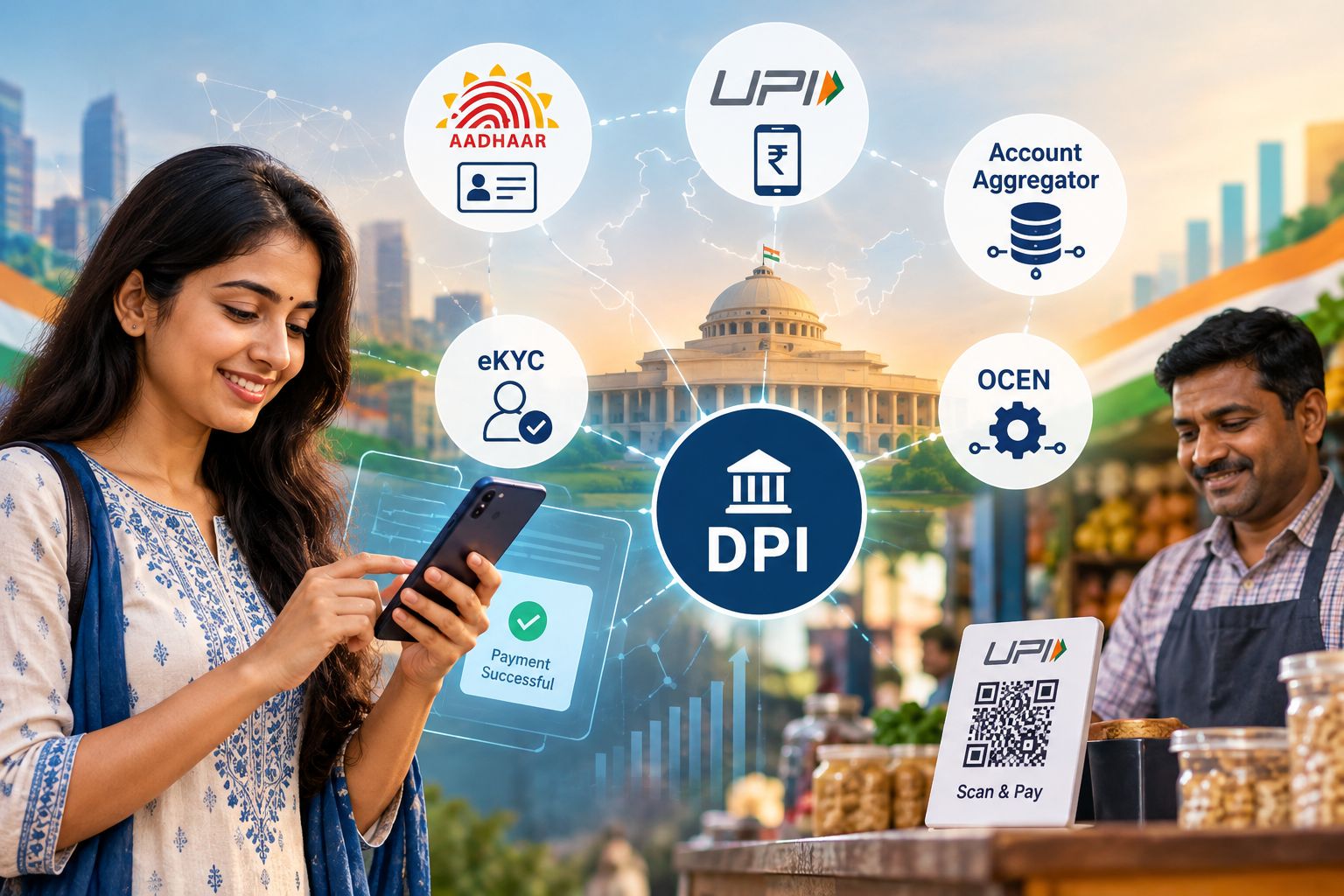


Imagine a small shop owner receiving customer payments through UPI, a salaried employee applying for a loan online, and a family receiving a government benefit directly in its bank account. These everyday activities are connected by India's growing Digital Public Infrastructure (DPI).
DPI refers to shared digital systems that help people, businesses and institutions access services more easily. In financial services, it is changing how people make payments, verify their identity, share financial information and access credit.
Types of Digital Public Infrastructure in India
|
Digital Public Infrastructure |
Purpose |
Example |
|---|---|---|
|
Digital Identity |
Helps people verify their identity digitally |
Aadhaar |
|
Digital Payments |
Enables fast and secure digital transactions |
UPI |
|
Digital Documents |
Allows people to store and access documents online |
DigiLocker |
|
Digital Commerce |
Connects buyers and sellers through an open network |
ONDC |
|
Digital Health |
Supports digital healthcare services and records |
ABHA |
|
Digital Education |
Provides access to digital learning resources |
DIKSHA |
1. Digital Payments Have Become Easier
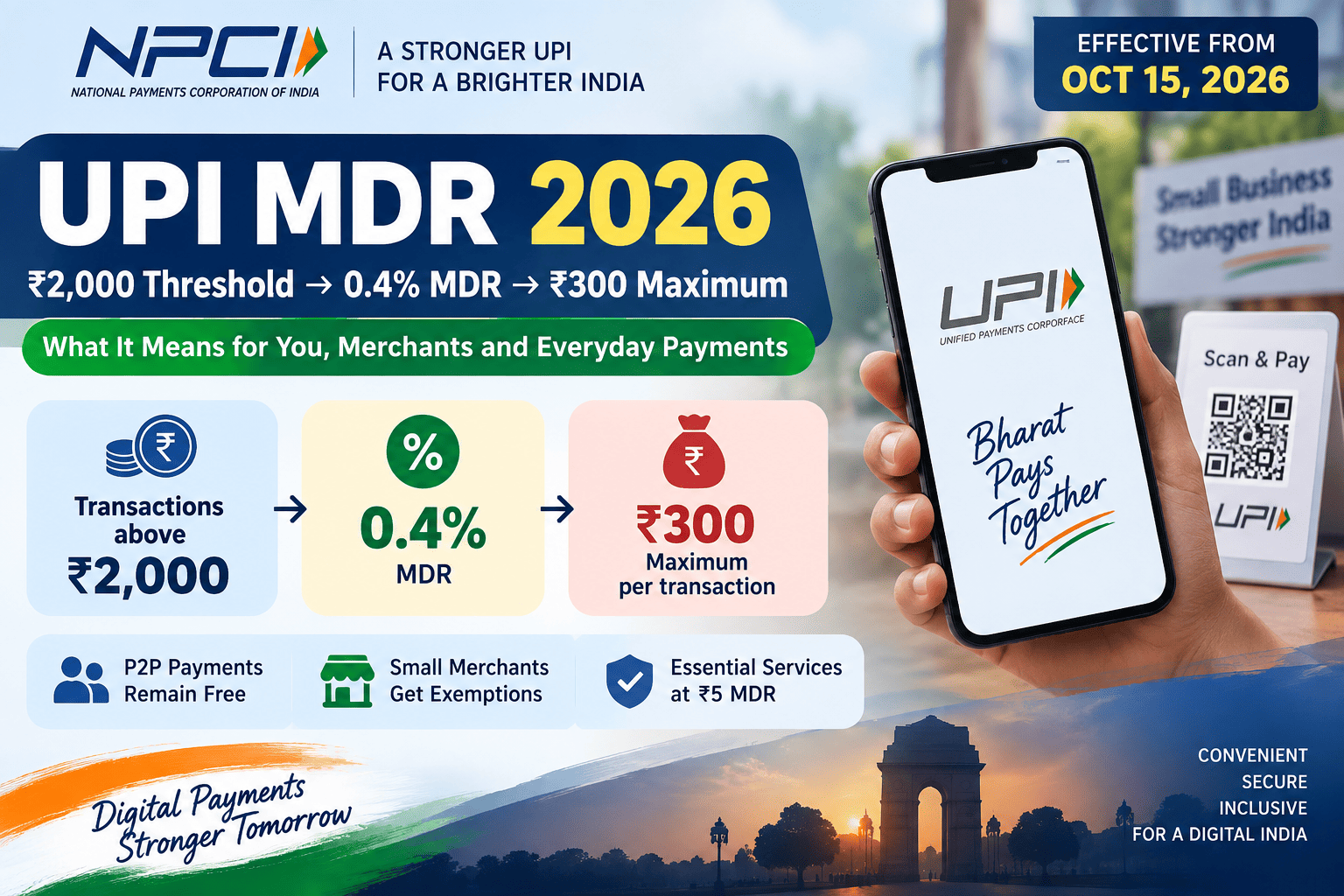
The Unified Payments Interface (UPI) has made it possible to transfer money between bank accounts using a mobile phone. Customers can pay at shops, split bills and settle payments without needing cash.
For small businesses, digital payments can reduce the need to handle cash and make it easier to track transactions. UPI's interoperable design also allows customers to pay across different participating banks and payment apps.
This digital payment activity is helping make everyday financial transactions more convenient for consumers and businesses.
2. Opening and Using Financial Accounts Is Simpler
Digital identity and verification tools have helped reduce paperwork in financial services. Aadhaar-based e-KYC can allow participating institutions to verify customer identities digitally, while DigiLocker helps people access and share authentic digital documents.
These tools can make customer onboarding more convenient and reduce the need to submit physical documents repeatedly.
Combined with initiatives such as the Pradhan Mantri Jan Dhan Yojana and mobile connectivity, digital systems are helping more people participate in formal financial services.
3. Digital Infrastructure Is Changing Access to Credit
Getting a loan traditionally involved submitting several documents, including bank statements and income records. Digital systems can make parts of this process faster.
The Account Aggregator framework allows individuals to share financial information, such as bank account data, with participating financial institutions after providing consent. Lenders may use this information to better understand an applicant's financial position.
For self-employed people and small business owners, verified financial records can help demonstrate their cash flow when applying for credit. However, digital records do not guarantee loan approval. Lenders still assess eligibility, repayment capacity and other relevant factors.
4. Government Benefits Can Reach People Directly
Direct Benefit Transfer (DBT) uses digital financial infrastructure to transfer eligible government benefits directly into beneficiaries' bank accounts.
This can reduce dependence on intermediaries and make it easier for recipients to access payments. When combined with accessible banking services, it also supports participation in the formal financial system.
5. New Opportunities for Fintech and Small Businesses
Shared digital infrastructure allows financial technology companies to build services without creating every underlying system themselves.
For example, digital payments can support payment tracking, while consent-based financial data sharing can help simplify certain lending processes. Open digital networks, including the Open Network for Digital Commerce (ONDC), are also expanding digital market access, with opportunities for financial services to reach more users.
This can encourage innovation and competition, although the actual benefits depend on the services available and how they are used.
Challenges That Still Need Attention
Digital financial services also come with risks. Online fraud, fake loan apps, misuse of personal information and limited digital literacy can affect users.
People should use official payment apps and verified lenders, protect their PINs and passwords, and read consent requests before sharing financial data. Access to reliable internet and support for people who are less comfortable with technology also remain important.
Conclusion
India's Digital Public Infrastructure is changing financial services by making payments easier, reducing paperwork and creating new ways to access financial information and credit.
Its larger impact will depend on making these services safe, accessible and useful for everyone. For consumers and small businesses, understanding how these systems work can help them make better-informed financial decisions.
How Apps Like Pocketly Are Changing the Game
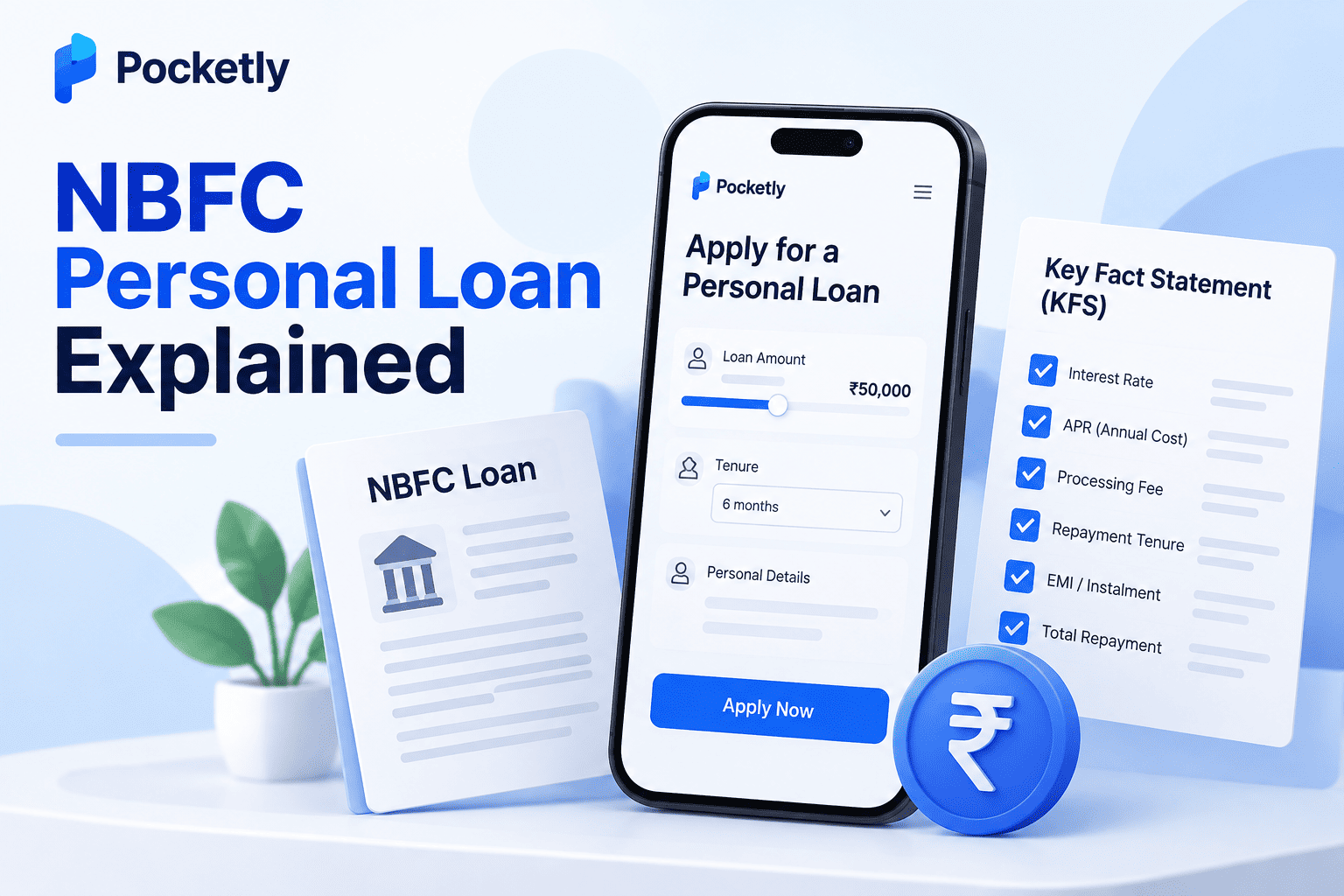
Digital lending apps such as Pocketly are making personal loan applications more convenient by allowing users to complete the process online, submit KYC details digitally and receive approved funds directly in their bank accounts. This can reduce paperwork and make credit more accessible to eligible borrowers who prefer a mobile-first experience. However, borrowers should always review the interest rate, APR, fees and repayment terms before accepting a loan.
Frequently Asked Questions
1. What is Digital Public Infrastructure (DPI) in India?
DPI refers to shared digital systems, such as UPI and Aadhaar-based verification, that help people access services, including payments, identity verification and financial services.
2. How is Digital Public Infrastructure changing financial services?
It is making digital payments easier, reducing paperwork during customer verification and helping financial institutions deliver certain services online.
3. How does digital lending help people access personal loans?
Digital lending allows eligible borrowers to apply online, complete verification digitally and review loan offers without visiting a physical branch.
4. How are apps like Pocketly changing personal lending?
Apps like Pocketly offer a mobile-based loan application process, digital KYC and online access to personal credit. Approval and loan amounts depend on the lender's eligibility checks.
5. Are digital personal loans safe to use?
They can be used more confidently when the lending arrangement involves an RBI-regulated lender and the borrower understands the terms. Always check the lender's details, review the Key Facts Statement and avoid apps that request unnecessary access to personal data.
6. What should borrowers check before taking a digital loan?
Review the APR, processing fees, repayment schedule, late payment charges and total amount payable. Borrow only what you can comfortably repay.