

The financial services industry plays a central role in how money moves, grows, and stays protected in India. From banks and NBFCs to fintech apps and insurance providers, financial services influence everyday actions such as saving, borrowing, investing, and paying bills.
The banking, financial services, and insurance (BFSI) sector, a core part of India’s financial services industry, now contributes around 27% of the country’s GDP, up from about 6 % two decades ago, highlighting its expanding role in economic growth. With rapid digitisation, services like mobile payments, instant credit, and app-based financial tools now reach users far beyond metro cities, changing how individuals interact with money.
Despite this widespread use, many people rely on financial services daily without clearly understanding how the industry works or how different services affect their financial health. This guide explains the financial services industry in simple terms, breaks down its key segments, and shows why understanding it leads to better money decisions.
Quick Glance
- The financial services industry in India enables how money is saved, borrowed, invested, transferred, and protected through banks, NBFCs, insurance providers, and fintech platforms.
- India’s financial services ecosystem has expanded rapidly, driven by digitisation, mobile-first access, and regulatory reforms, reaching users beyond metro cities.
- Key segments include banking, NBFCs, insurance, investment and wealth services, and fintech, each serving different financial needs from daily transactions to long-term planning.
- Financial services matter at an individual level by providing access to credit, financial security through insurance, and everyday convenience via digital payments and auto-debits.
- Technology is reshaping the industry through fintech innovation, data-driven credit assessment, and wider financial inclusion, while regulators ensure transparency and consumer protection.
- Short-term credit solutions like Pocketly play a practical role by helping users manage temporary cash gaps responsibly without disrupting long-term financial stability.
A Look Into India’s Financial Services Industry
India’s financial services industry forms the backbone of how money flows through the economy. It connects households, businesses, and governments by enabling saving, lending, investing, payments, and risk protection. Whether it’s a bank account, an insurance policy, a loan app, or a digital wallet, most financial interactions fall within this ecosystem.
The sector covers a wide range of institutions, including banks, non-banking financial companies (NBFCs), insurance providers, asset management firms, and fintech platforms. Together, these entities support everyday financial needs such as salary deposits, bill payments, credit access, investments, and long-term financial planning.
What makes India’s financial services industry distinct is its rapid expansion beyond traditional banking. Digital infrastructure, regulatory reforms, and mobile-first platforms have expanded access to financial services across income groups and regions.
As a result, financial tools that were once limited to urban centres are now widely used across semi-urban and rural areas.
Understanding how this industry is structured helps individuals see where their money sits, how credit decisions are made, and what role different financial providers play. This clarity becomes especially important when choosing financial products, managing credit responsibly, or dealing with short-term cash needs.
Key Segments of the Financial Services Industry
 The financial services industry may seem complex, but most offerings fall into a few clearly defined segments. Each plays a different role in how individuals save, spend, borrow, and protect their money.
Banking Services
Banks form the foundation of the financial system and are often the first point of contact for most individuals. Public and private sector banks provide essential services such as:
- Savings and current accounts for daily money management
- Fixed deposits for capital protection and steady returns
- Personal, home, education, and business loans
- Payment services, including transfers, cards, and auto-debits
Banks focus on stability, regulatory oversight, and long-term financial relationships. For most people, they act as the primary gateway to formal financial services.
Non-Banking Financial Companies (NBFCs)
NBFCs operate alongside banks but with greater flexibility in how they deliver credit. While they cannot accept regular savings deposits, they play a critical role in expanding access to finance.
NBFCs often:
- Serve users who may not qualify easily for bank credit
- Offer faster approvals with simplified processes
- Focus on consumer credit, small-ticket loans, and niche segments
Because of this, NBFCs are widely used by students, early-career earners, and self-employed individuals who need timely access to funds.
Also Read: Different NBFC Types in India: A Guide For 2026
Insurance Services
Insurance providers help individuals manage financial risk rather than generate income. Their role becomes visible when unexpected events occur.
Key insurance offerings include:
- Health insurance for medical expenses
- Life insurance for income protection and dependents
- Motor and asset insurance for property-related risks
Insurance reduces the financial shock of emergencies and protects long-term financial stability when life does not go as planned.
Investment and Wealth Services
This segment focuses on helping individuals grow their money over time rather than manage short-term needs.
It includes:
- Mutual funds and systematic investment plans
- Stockbrokers and trading platforms
- Asset and wealth management firms
These services support long-term goals such as education planning, retirement, and wealth creation, especially when combined with disciplined investing habits.
Fintech and Digital Financial Services
Fintech platforms combine technology with financial services to make money management faster and more accessible. This is currently the fastest-growing segment in India.
Fintech services enable:
- Digital payments and mobile wallets
- Instant credit and app-based lending
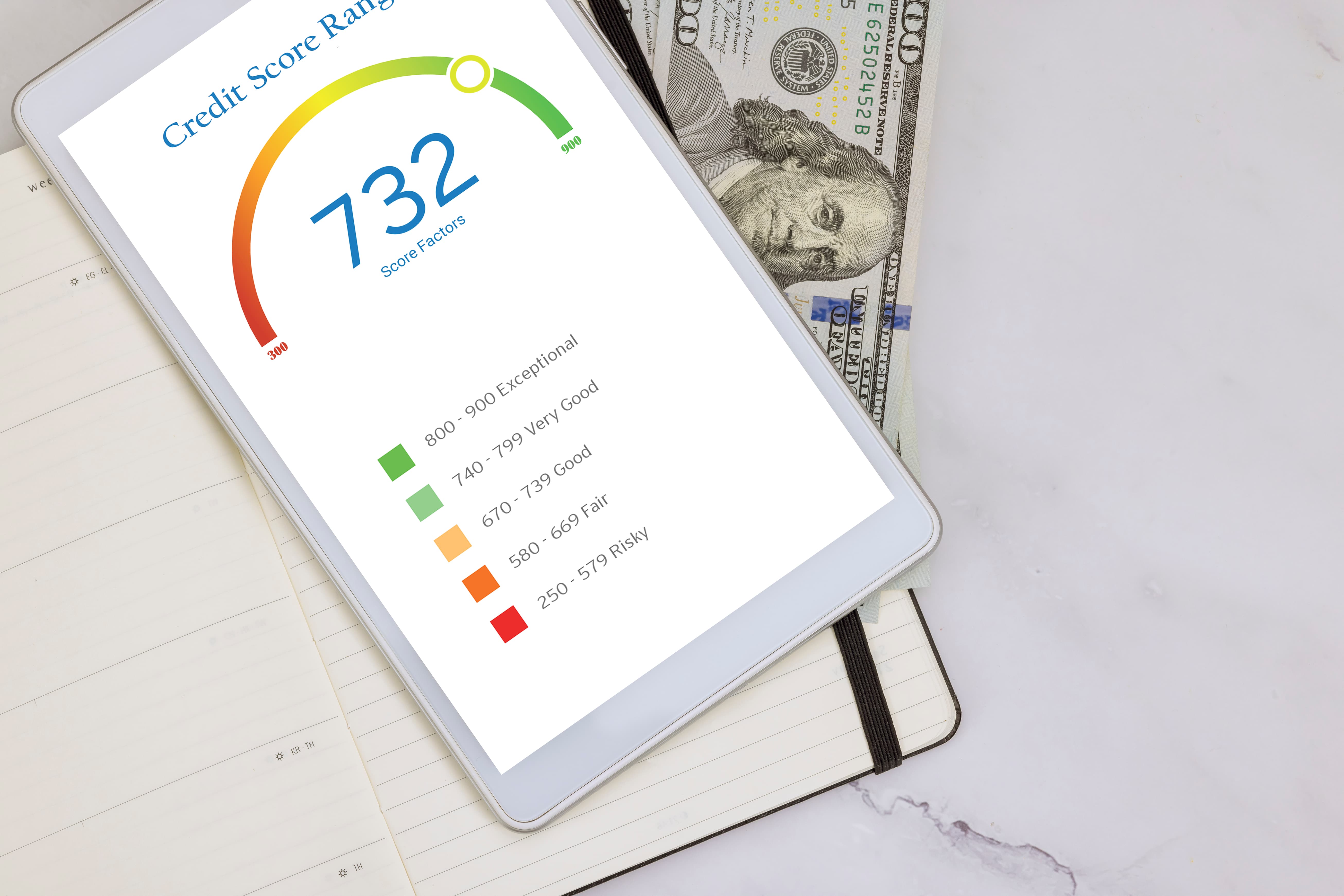
- Credit score access and monitoring
- Budgeting and financial management tools
By reducing friction and paperwork, fintech has brought financial services to users across cities, towns, and smaller markets.
Understanding these segments helps explain how financial services influence everyday money decisions and personal financial outcomes.
Also Read: 10 Smart Spending Tips For Financial Wellness
Why the Financial Services Industry Matters to Individuals
Financial services are not just institutional systems operating in the background. They directly shape how individuals handle income, expenses, risks, and financial stability.
Access to Credit and Liquidity
Credit products such as loans, credit cards, and short-term lending help individuals manage cash flow challenges.
They support situations like:
- Emergency expenses
- Timing gaps between income and recurring bills
- Planned large purchases
When used responsibly, access to credit provides flexibility rather than pressure.
Pocketly helps users manage short-term cash gaps responsibly, allowing them to handle urgent needs without disrupting financial stability. Download the app today!
Financial Security and Risk Protection
Savings and insurance products act as safety nets during uncertain periods. Health emergencies, accidents, or income disruptions can create sudden financial strain.
Insurance coverage and structured savings reduce vulnerability by:
- Limiting out-of-pocket expenses
- Protecting long-term financial plans
- Reducing dependence on last-minute borrowing
This layer of protection becomes essential as financial responsibilities grow.
Everyday Convenience
Modern financial services simplify daily money management. Tasks that once required branch visits can now be completed in minutes.
These include:
- Digital payments and instant transfers
- Auto-debits for subscriptions and bills
- App-based access to balances and transactions
Convenience improves consistency, reduces missed payments, and helps individuals stay organised with their finances.
As financial services continue to expand, technology increasingly defines how these products are delivered and experienced.
Also Read: 10 Essential Financial Habits For Success
How Technology Is Reshaping the Financial Services Industry
 Digital innovation has changed not just access to financial services, but what users expect from them. Speed, simplicity, and transparency now matter as much as trust and pricing.
Rise of Fintech Platforms
Fintech platforms have transformed how people interact with money. Unlike traditional institutions, these apps are built around convenience and real-time access.
Most fintech platforms focus on:
- Faster onboarding with minimal paperwork
- Clear pricing and simple product explanations
- Mobile-first design that fits everyday usage
For users, this means opening accounts, making payments, or accessing credit without visiting a branch. Fintech has shifted financial services from being institution-led to user-led.
Data-Driven Credit and Risk Assessment
Technology has also changed how lenders assess risk. Instead of relying only on traditional credit scores or income documents, many platforms now use alternative data.
This can include:
- Transaction patterns
- Repayment behaviour
- Spending consistency
By analysing real usage data, lenders can make faster decisions and extend credit to users who may not fit traditional profiles. This approach supports more inclusive lending while maintaining risk controls.
Increased Financial Inclusion
One of the most significant impacts of technology is expanded access. Digital platforms reach users who were previously excluded due to location, documentation gaps, or limited banking history.
Technology enables:
- Financial access in smaller towns and rural areas
- Services for first-time credit users
- Lower-cost delivery of financial products
As smartphones and digital payments become common, financial services are no longer limited to urban centres or formal employment groups.
With increased reach and speed also comes responsibility, especially when trust and regulation are involved.
Regulation and Trust in the Financial Services Industry
Strong regulation is essential for maintaining stability and protecting users. In a fast-moving financial environment, trust depends on clear rules and accountability.
Role of RBI, SEBI, and IRDAI
India’s financial system is overseen by multiple regulators, each responsible for a specific segment.
- Reserve Bank of India (RBI) regulates banks, NBFCs, and payment systems
- Securities and Exchange Board of India (SEBI) oversees capital markets and investment products
- Insurance Regulatory and Development Authority of India (IRDAI) governs insurance providers
These regulators ensure institutions follow rules related to lending practices, disclosures, capital adequacy, and user protection.
Consumer Protection and Transparency
Regulation plays a direct role in protecting individuals from unfair practices. Clear guidelines exist around:
- Interest rate disclosures
- Fee transparency
- Data protection and privacy
- Grievance redressal mechanisms
These safeguards help users understand what they are signing up for and reduce the risk of hidden charges or misuse.
Why Responsible Usage Matters
While regulation creates a safety framework, individual choices still matter. Financial products are tools, not solutions by themselves.
Responsible usage means:
- Borrowing only when necessary
- Understanding repayment obligations
- Avoiding repeated dependency on short-term credit
Using financial services thoughtfully reduces long-term stress and supports healthier financial outcomes.
With this balance of innovation and regulation in place, modern financial tools now play a central role in everyday money management.
How Pocketly Fits into the Financial Services Industry
Short-term credit plays a practical role in the financial services industry, especially for individuals managing tight monthly cash flow. While long-term loans and savings products support big financial goals, short-term lending helps handle timing gaps between income and expenses.
Pocketly operates within this space by addressing everyday liquidity needs responsibly.
As a digital lending platform, Pocketly supports users by:
- Offering short-term loans from ₹1,000 to ₹25,000, designed for small, genuine cash gaps rather than large debt commitments
- Providing fast, fully digital access, with quick KYC and minimal friction compared to traditional lenders
- Maintaining transparent pricing, with interest starting at 2% per month and clearly defined processing fees
- Helping users avoid missed payments, covering bills, EMIs, or urgent expenses without disrupting financial stability
By focusing on speed, clarity, and responsible usage, Pocketly fits into the financial services industry as a practical support tool rather than a long-term borrowing solution.
Download the Pocketly app to access short-term financial support responsibly.
Conclusion
The financial services industry shapes how individuals earn, spend, borrow, save, and protect money. From banks and NBFCs to insurance providers and fintech platforms, each segment serves a specific purpose in maintaining financial stability and flexibility.
Understanding how this industry works allows individuals to choose the right financial products, manage risk better, and reduce money-related stress. When used thoughtfully, modern financial services offer control and convenience rather than pressure.
For short-term needs, responsible tools like Pocketly can support cash flow without derailing long-term financial plans.
Explore Pocketly for short-term financial support that fits responsibly into your overall money management strategy.
FAQs
1. What is the financial services industry in simple terms?
It includes businesses that manage money, provide loans, enable payments, and help protect against financial risk.
2. Why is the financial services industry important?
It supports personal financial stability, access to credit, savings, and smooth economic activity.
3. What are examples of financial services?
Banking, insurance, lending, investments, payment systems, and digital finance apps.
4. How does fintech differ from traditional banking?
Fintech focuses on digital access, faster services, and user-friendly platforms, often without physical branches.
5. Is short-term credit part of financial services?
Yes. Responsible short-term lending helps manage temporary cash gaps and supports everyday liquidity needs.