

In December 2024, the Reserve Bank of India reduced the Cash Reserve Ratio (CRR) from 4.5% to 4.0% in phases to improve liquidity in the banking system. This single policy move was expected to release thousands of crores into the banking sector, increasing the funds available for lending and economic activity.
This is why RBI tools like CRR and SLR are so important. They directly influence how much money banks can lend, how easily borrowers can access credit, and how the RBI controls inflation and liquidity in the economy.
In this article, we’ll explain what CRR and SLR mean, how they work, the key differences between them, and how RBI policy changes can affect banks, businesses, and everyday borrowers in India.
Key Takeaways
-
CRR and SLR are RBI tools used to control liquidity and maintain banking stability in India. CRR requires banks to keep cash reserves with the RBI, while SLR requires banks to maintain liquid assets like cash, gold, and government securities.
-
Higher CRR or SLR reduces lending capacity. When reserve requirements increase, banks have less money available for loans, which can tighten borrowing conditions for consumers and businesses.
-
CRR does not earn interest, but SLR assets may generate returns. Banks generally earn nothing on CRR reserves, while SLR investments in government securities can provide moderate returns.
-
RBI changes to CRR and SLR directly affect borrowers. Loan approvals, credit availability, and lending conditions often become stricter or more flexible depending on RBI liquidity measures.
-
Understanding CRR and SLR helps explain broader economic changes. These tools play a major role in controlling inflation, regulating money supply, and maintaining confidence in India’s banking system.
What Is CRR and How Does It Work?
When the Reserve Bank of India (RBI) wants to control how much money banks can lend, it uses tools like the Cash Reserve Ratio (CRR). This directly affects liquidity in the banking system and indirectly influences borrowing conditions across India.
What Does CRR Mean in Banking?
CRR stands for Cash Reserve Ratio. It is the percentage of a bank’s total deposits that must be kept with the RBI in cash form.
Banks cannot use this reserved money for:
-
giving loans
-
investing
-
business operations
This reserve acts as a financial safety measure and helps the RBI manage liquidity in the economy.
For example, if the CRR is 4% and a bank has deposits worth ₹100 crore, it must keep ₹4 crore with the RBI. The remaining amount can be used for lending and other banking activities.
Why Does RBI Require Banks to Maintain CRR?
The RBI uses CRR mainly to control the flow of money in the economy. When there is too much money circulating, inflation can rise quickly. Increasing CRR helps reduce excess liquidity because banks have less money available to lend.
On the other hand, lowering CRR can encourage lending and spending. This is often done when the economy needs support or businesses require easier access to credit.
In simple terms:
-
Higher CRR = less money available for loans
-
Lower CRR = more money available for lending
This is why CRR is considered an important monetary policy tool in India.
Why Is CRR Maintained Only in Cash?
Unlike some other reserve requirements, CRR must be maintained entirely in cash with the RBI. Banks cannot use:
-
gold
-
government securities
-
bonds
-
other liquid assets
This gives the RBI direct control over a portion of banking liquidity. Since the money stays with the central bank, it becomes easier to regulate overall credit availability in the financial system.
A common point of confusion is that banks do not physically store this cash in their branches. The reserve is maintained with the RBI as part of the banking system’s regulatory requirements.
Do Banks Earn Interest on CRR?
No, banks generally do not earn interest on the cash kept under CRR requirements.
This is one reason banks closely monitor CRR changes announced by the RBI. A higher CRR means a larger portion of deposits remains unused from an income perspective.
For borrowers, this can indirectly affect lending conditions. During tighter liquidity periods, banks may become more cautious about approving loans or expanding credit.
For instance:
-
A salaried employee may notice stricter personal loan approvals
-
A student applying for an education-related loan may face slower processing
-
A small business owner may find short-term working capital harder to access
Understanding CRR helps explain why RBI announcements often influence the broader lending environment in India.
What Is SLR and How Does It Work?
The Statutory Liquidity Ratio (SLR) is another important RBI regulation that affects how banks manage money and lending. While CRR focuses on cash reserves kept with the RBI, SLR is about the liquid assets banks must maintain on their own.
Understanding SLR makes it easier to see how the Indian banking system balances lending, liquidity, and financial stability.
What Does SLR Mean in Banking?
SLR stands for Statutory Liquidity Ratio. It is the percentage of a bank’s total deposits that must be maintained in the form of liquid assets.
Unlike CRR, the reserve is not kept with the RBI. Banks maintain these assets themselves as part of regulatory requirements.
For example, if a bank’s SLR requirement is 18% and it has deposits worth ₹100 crore, it must keep ₹18 crore in approved liquid assets before using the remaining funds for lending.
Why Does RBI Use SLR?
The RBI uses SLR to make sure banks remain financially stable even during periods of high withdrawals or economic stress.
By requiring banks to maintain liquid assets:
-
Banks are less likely to face sudden cash shortages
-
Depositors gain greater financial confidence
-
The banking system becomes more stable overall
SLR also indirectly controls credit growth. When banks must hold a larger share of deposits in liquid assets, they have less money available for fresh lending.
This helps the RBI manage excessive borrowing and inflation in the economy.
What Assets Are Included Under SLR?
One major difference between SLR and CRR is the type of assets allowed.
Under SLR, banks can maintain reserves using:
-
cash reserves
-
gold holdings
-
government-approved securities such as treasury bonds
These assets are considered relatively safe and easy to liquidate when needed.
Government securities are especially important because they allow banks to maintain regulatory compliance while still earning returns on their investments.
Do Banks Earn Returns on SLR Assets?
Yes, banks may earn returns on certain SLR-approved assets, especially government securities.
This is a major distinction from CRR, where the cash kept with the RBI generally does not earn interest.
For banks, SLR creates a balance between:
-
maintaining financial safety
-
earning moderate returns
-
managing lending capacity
However, a higher SLR can still reduce the funds available for loans.
This can indirectly affect borrowers in real-life situations. For example:
-
A small entrepreneur may find business credit tighter during liquidity restrictions
-
A salaried professional may notice stricter loan eligibility checks
-
A student seeking short-term funds may experience slower loan approvals
That is why RBI changes to SLR are closely tracked by banks, businesses, and borrowers across India.
Also read: Lifestyle Inflation In India 2026: Why Your Salary Still Feels Less
Difference Between SLR and CRR at a Glance
Many people confuse SLR and CRR because both are reserve requirements set by the Reserve Bank of India (RBI). However, they serve different purposes and work in different ways within the banking system.
The easiest way to understand the difference is through a direct comparison.
|
Basis of Comparison |
CRR (Cash Reserve Ratio) |
SLR (Statutory Liquidity Ratio) |
|
Meaning |
Portion of deposits banks must keep with the RBI in cash form |
Portion of deposits banks must maintain as liquid assets |
|
Main Purpose |
Control liquidity and money supply in the economy |
Maintain bank solvency and financial stability |
|
Maintained With |
Reserve Bank of India |
Banks themselves |
|
Form of Reserve |
Only cash |
Cash, gold, and approved government securities |
|
Interest Earnings |
Banks generally do not earn interest on CRR reserves |
Banks may earn returns on government securities held under SLR |
|
Impact on Lending |
Higher CRR reduces money available for lending |
Higher SLR can limit lending capacity because more funds stay locked in liquid assets |
|
RBI’s Role |
Direct liquidity control tool |
Financial stability and credit regulation tool |
Why RBI Uses CRR and SLR to Control Liquidity
Although CRR and SLR work differently, both help the RBI maintain balance in the financial system.
Together, they help:
-
control excessive lending
-
manage inflation
-
maintain banking stability
-
regulate liquidity during economic uncertainty
The RBI regulates money flow to maintain economic stability.
If banks lend too aggressively:
-
Inflation can rise quickly
-
Asset prices may increase unsustainably
-
Repayment risks can grow
If lending becomes too restricted:
-
Businesses may struggle to expand
-
Consumer spending may slow
-
Economic growth can weaken
CRR and SLR help the RBI strike a balance between these two extremes.
Also read: Instant Approval Loans vs Traditional Bank Loans: 2026 Comparison
Managing Short-Term Cash Gaps Responsibly During Tight Lending Conditions
When liquidity conditions tighten and banks become more cautious with lending, short-term expenses can still arise unexpectedly. A delayed salary, urgent medical payment, exam fee, insurance premium, or supplier payment may require immediate attention even during stricter credit conditions.
In such situations, many borrowers look for smaller, short-duration borrowing options instead of large long-term loans. The focus should remain on borrowing only what is necessary and choosing repayment terms that fit comfortably within monthly income.
Pocketly is a digital lending platform working with RBI-registered NBFCs that offers small-ticket loans designed for temporary liquidity gaps. Loan amounts typically range from ₹1,000 to ₹25,000, depending on profile eligibility and visible limits.
Key details include:
-
Interest starting from 2% per month
-
Processing fee ranging from 1% to 8%
-
No collateral required
-
Fast digital application process
-
Quick digital KYC
-
Eligibility and visible loan limit may vary by profile
How the Process Typically Works
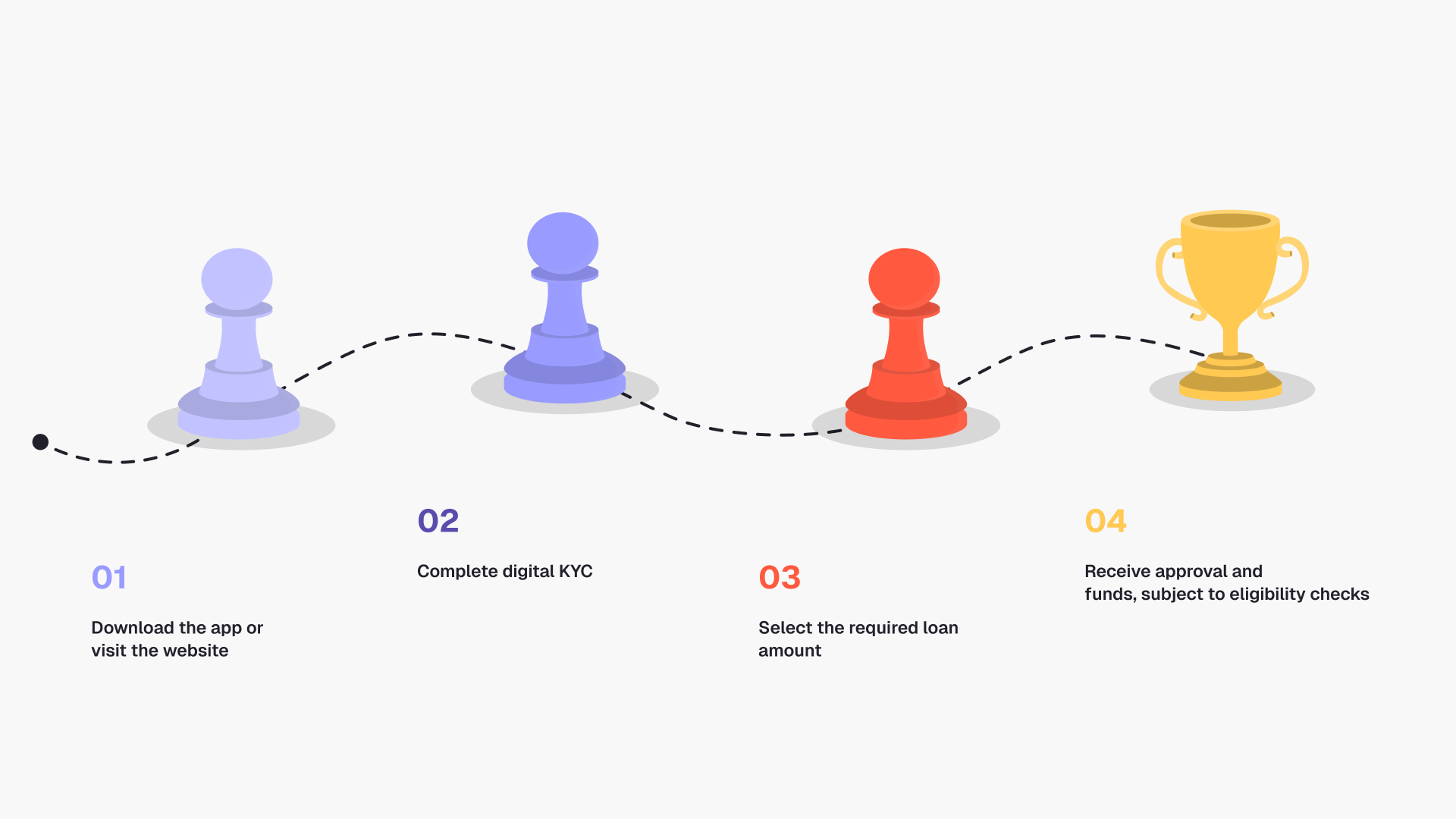
Borrowers can usually complete the process digitally in a few simple steps:
-
Download the app or visit the website
-
Complete digital KYC
-
Select the required loan amount
-
Receive approval and funds, subject to eligibility checks
However, responsible borrowing remains important regardless of economic conditions. Review repayment timelines carefully and avoid taking higher amounts than required.
Conclusion
CRR and SLR play a major role in how the RBI controls liquidity, inflation, and lending activity across India’s banking system. While CRR helps regulate money supply by restricting how much banks can lend, SLR ensures banks maintain enough liquid assets to stay financially stable during uncertain economic conditions.
These RBI policies may seem technical, but they directly affect real-world borrowing conditions, including loan approvals, credit availability, and short-term financing access for individuals and businesses.
If you need help managing temporary cash-flow gaps during tighter lending periods, Pocketly offers quick digital access to small-ticket loans for eligible users with a fully online process.
Download the app now and get fast access to short-term funds when you need them most.
Frequently Asked Questions (FAQs)
1. What is the main difference between SLR and CRR?
The main difference is where and how the reserves are maintained.
-
CRR (Cash Reserve Ratio) is the cash banks must keep with the Reserve Bank of India (RBI).
-
SLR (Statutory Liquidity Ratio) is the liquid assets banks maintain themselves in the form of cash, gold, or approved government securities.
CRR focuses more on liquidity control, while SLR also supports banking stability.
2. Why does RBI increase CRR or SLR?
The RBI increases CRR or SLR mainly to control excess liquidity and manage inflation.
When reserve requirements rise:
-
banks have less money available for lending
-
borrowing activity may slow
-
inflationary pressure can reduce over time
These measures help maintain economic and financial stability.
3. Do banks earn interest on CRR?
No. Banks generally do not earn interest on the cash reserves maintained under CRR requirements.
Because this money remains parked with the RBI, it cannot be used for lending or investment purposes.
4. Can SLR include government securities?
Yes. Banks can maintain SLR using:
-
cash
-
gold
-
approved government securities
Government securities are commonly used because they are considered relatively safe and may generate returns for banks.
5. How do CRR and SLR affect borrowers?
Changes in CRR and SLR indirectly affect lending conditions in India.
Higher reserve requirements can:
-
reduce liquidity in the banking system
-
limit banks’ lending capacity
-
make loan approvals stricter
Lower reserve requirements may improve credit availability and encourage lending activity.
6. Are CRR and SLR important for competitive exams?
Yes. CRR and SLR are commonly covered in:
-
banking exams
-
government recruitment exams
-
finance and economics studies
-
interview preparation for financial roles
They are considered important concepts in Indian banking and monetary policy.