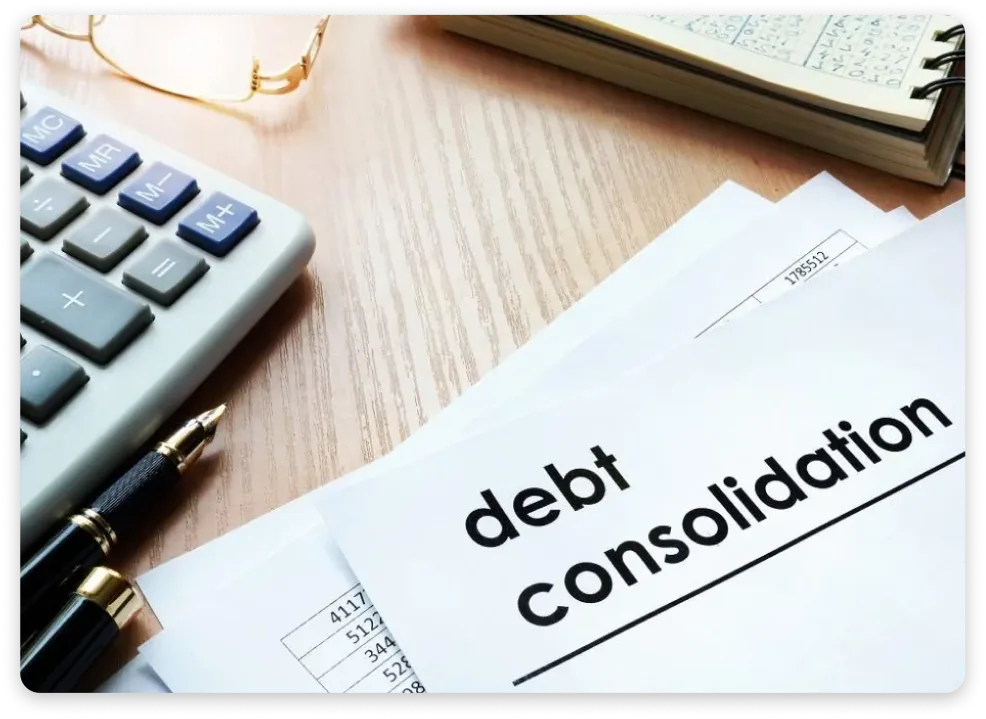


Managing multiple debts can quickly become overwhelming. Credit card bills, personal loans, and small borrowings often come with different due dates, interest rates, and repayment terms. Over time, this can create confusion and put pressure on your monthly budget.
This is why many people start searching for the best debt consolidation loans. The idea sounds simple: combine everything into one loan and manage a single EMI. But the challenge is that not every consolidation option actually reduces your total cost.
In many cases, the wrong choice can increase your repayment burden instead of easing it.
In this blog, we break down what debt consolidation really means, how to choose the right option, what costs to watch for, and how to avoid common mistakes in 2026.
Key Takeaways
- Debt consolidation works only when it lowers your total repayment, not just your monthly EMI. A smaller EMI can still cost more if the tenure is stretched too far.
- The best debt consolidation loan gives you more control over cash flow and repayment, especially when multiple dues are making budgeting harder and increasing the risk of missed payments.
- Comparing lenders is not enough unless you compare the total cost properly. Interest rate, processing fees, penalties, tenure, and repayment flexibility all affect what you actually pay by the end.
- Debt consolidation is useful in the right situation, not in every situation. It works best when replacing high-interest debt with a lower-cost structured loan, but it may not make sense for short-term or smaller borrowing needs.
- For small and urgent borrowing needs, a smaller-ticket option can be more practical than a full consolidation loan. This helps avoid over-borrowing and prevents turning a short-term gap into a longer repayment burden.
What Is a Debt Consolidation Loan and How It Works
A debt consolidation loan combines multiple debts into a single loan so you manage one EMI instead of several payments.
But the purpose is not just convenience. The real goal is to reduce your total repayment and bring control to your cash flow.
Here is how it works in practice:
- A new loan is taken to close existing debts
- All current dues (credit cards, personal loans, small borrowings) are paid off
- You continue with one structured EMI under new terms
For example, instead of paying three different EMIs with different interest rates, you shift everything into one loan with a defined tenure and repayment plan.
This can improve visibility and reduce missed payments. But it only works in your favour if the new loan is structured correctly.
If the tenure is extended too much or the charges are high, you may end up paying more overall even though your EMI feels lower.
Also Read: Get Debt Consolidation Loan Online: How It Works
Why People Look for the Best Debt Consolidation Loans
Most borrowers don’t look for debt consolidation unless managing existing debt has already become difficult.
The problem is rarely just the amount owed. It is the way multiple debts start affecting monthly cash flow, planning, and consistency in repayment.
Here are the most common reasons:
- Too many EMIs to manage: Different due dates and amounts increase the chances of missed payments and penalties
- High interest on existing debt: Credit cards and short-term loans often carry higher rates, increasing overall repayment
- Monthly cash flow pressure: Multiple payments leave less room for essential expenses and savings
- Lack of financial clarity: Without a single structure, it becomes harder to track progress and plan repayments
- Need for a more predictable repayment system: One EMI makes budgeting simpler and reduces mental load
For example, someone managing two credit cards and a personal loan may not struggle with individual payments, but the combined pressure each month makes it harder to stay consistent.
Debt consolidation is often considered as a way to bring structure, reduce confusion, and regain control over repayment.
If managing multiple payments is becoming difficult, reviewing structured options like debt consolidation or smaller-ticket solutions such as Pocketly can help bring better control.
Also Read: Debt Consolidation Meaning: Easy Ways to Manage Debt in India (2026)
Best Debt Consolidation Loan Options in India (2026)
When comparing the best debt consolidation loans, the goal is not just to combine debts, but to choose an option that reduces your total repayment while keeping your EMI manageable.
Here are the most commonly used options in India:
Personal Loan Providers for Debt Consolidation
HDFC Bank Personal Loan
- Interest rates start around 10.5% annually (based on profile)
- Suitable for salaried individuals with a stable income
- Faster processing with higher loan limits
Pros: Reliable lender, structured repayment, higher eligibility
Cons: Strict approval criteria, requires strong CIBIL score
ICICI Bank Personal Loan
- Instant loan options for existing customers
- Interest rates typically start around 10.75%
- Fully digital process for faster disbursal
Pros: Quick approval, easy access for existing users
Cons: Processing fees and charges may increase the total cost
Bajaj Finserv Personal Loan
- Flexible tenure options with quick disbursal
- Interest rates start around 11%, depending on profile
Pros: Fast processing, flexible repayment
Cons: Rates vary widely based on credit profile
Balance Transfer Options for Credit Card Debt
This option allows you to move high-interest credit card dues to another lender offering a lower rate for a limited period.
- Helps reduce interest in the short term
- May include transfer fees or limited low-rate windows
- Works best when repayment is completed within the offer period
Loan Against Property for Larger Debt
A secured option where property is used as collateral.
- Lower interest rates compared to personal loans
- Suitable for larger debt amounts
- Longer tenure available
Risk: Defaulting can put your asset at risk
Small Loan Option for Short-Term Gaps
Not every situation requires a large consolidation loan. If the requirement is smaller, taking a big loan can increase both cost and repayment duration unnecessarily.
Pocketly is designed for such short-term needs:
- Loan range between ₹1,000 and ₹25,000
- Interest starts from around 2% per month
- No collateral required
- Quick digital approval and disbursal
This works better when the issue is a temporary financial gap, not multiple long-term debts.
If your requirement is small, avoid restructuring large debt. Check if a short-term option helps you solve it faster without increasing total repayment.
What Impacts Your Approval, Loan Amount, and Interest Rate for Debt Consolidation Loans
When applying for the best debt consolidation loans, lenders don’t just decide whether to approve you. They also determine how much you can borrow, at what interest rate, and on what terms.
These factors directly impact your total repayment.
Here’s what lenders typically evaluate:
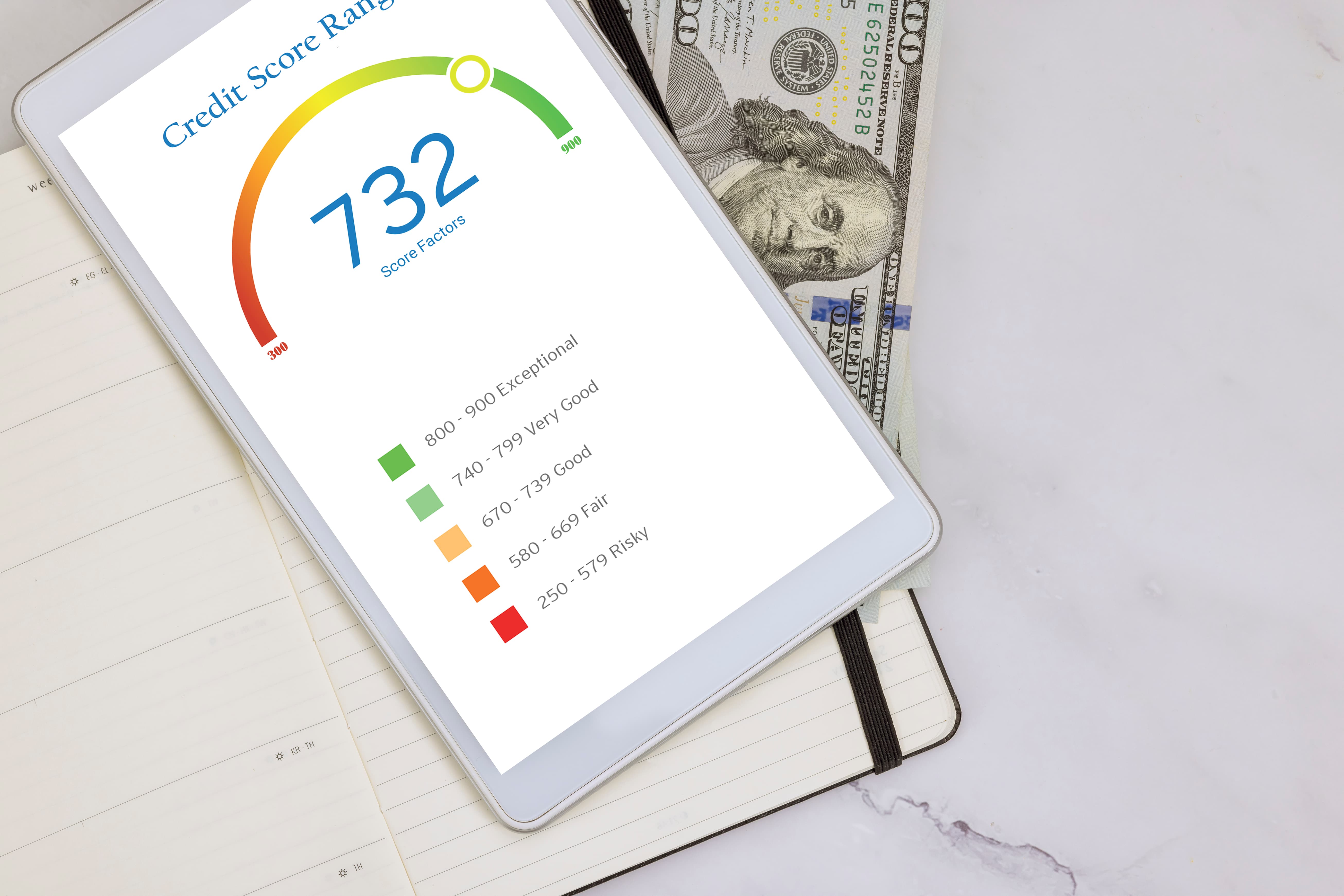
- CIBIL score and credit history: Most lenders prefer a CIBIL score of 650+. A higher score improves your chances of approval and helps secure better interest rates, while a lower score may result in higher costs.
- Income stability and repayment capacity: Lenders assess whether your income is consistent enough to handle the new EMI without default risk.
- Existing debt obligations: If you already have multiple loans, lenders check whether adding or restructuring debt is financially manageable.
- Employment type and profile: Salaried individuals with stable jobs are often considered lower risk compared to irregular income profiles.
- Loan tenure and amount requested: Longer tenure or higher loan amounts can influence both approval and interest rates.
In India, personal loan interest rates for consolidation typically range between 10% to 24% annually, depending on your profile and risk category.
For example, a borrower with stable income and a strong credit history may qualify for lower interest rates, while someone with a weaker profile may still get approved but at a higher cost.
Also Read: Credit vs Loan in India: Key Differences & Smart Choice (2026)
How to Choose the Best Debt Consolidation Loan Without Increasing Your Total Cost
Choosing the best debt consolidation loan is not about finding the lowest EMI.
It is about ensuring that the total amount you repay is lower than your current debt.
Here is how to evaluate it correctly:
- Compare total repayment, not just EMI: A lower EMI may look comfortable, but if the tenure is longer, the total interest paid can increase significantly.
- Check all charges, not just interest rate: Processing fees, prepayment charges, and penalties can increase the real cost of the loan.
- Evaluate tenure impact carefully: Longer tenure reduces monthly pressure but increases overall repayment. Shorter tenure may feel heavier monthly but costs less overall.
- Ensure EMI fits your actual cash flow: The EMI should be manageable without affecting essential expenses or forcing further borrowing.
- Look for flexibility in repayment: Options like part-payment or early closure without heavy penalties help reduce interest over time.
For example, a loan offering a lower EMI over five years may seem attractive, but it could cost more overall than a slightly higher EMI over three years.
Before finalising any loan, calculate the total repayment amount including all charges, not just the EMI.
Real Cost of Debt Consolidation Most Borrowers Miss
Most borrowers focus on reducing their EMI. The real impact of debt consolidation, however, comes from the total amount repaid over time.
If this is not evaluated properly, consolidation can increase your financial burden instead of reducing it.
Here are the cost factors that actually matter:
- EMI vs total repayment difference: A lower EMI often comes from extending the tenure, which increases the total interest paid.
- Processing and setup charges: These are either deducted upfront or added to the loan, increasing the effective cost.
- Interest over a longer duration: Even at a moderate rate, a longer repayment period leads to significantly higher total interest.
- Prepayment and foreclosure charges: Some loans charge a fee for early closure, limiting your ability to reduce costs later.
- Hidden or less visible costs: Late payment penalties, service charges, and other fees can add up over time.
For example, reducing your EMI by extending the loan from 3 years to 5 years may feel easier monthly, but the extra interest paid across those additional years can make the loan more expensive overall.
The right way to evaluate: Always ask “What is the total amount I will repay by the end of this loan?”
If your requirement is small or temporary, a short-term option like Pocketly may help solve the gap without increasing your total repayment through a long-term loan.
Read More: How to Achieve a Perfect 900 CIBIL Score?
Common Mistakes That Increase Your Total Repayment
Debt consolidation can help, but only if used correctly. Many borrowers end up paying more because of a few avoidable decisions.
Here are the most common mistakes:
- Choosing the lowest EMI without checking total cost: A lower EMI often comes with a longer tenure, which increases total interest paid.
- Ignoring additional charges: Processing fees, penalties, and foreclosure charges can significantly increase the actual cost of the loan.
- Borrowing more than required: Taking a higher loan amount than needed increases repayment burden and extends your debt cycle.
- Continuing to use credit after consolidation: Clearing old debts but continuing to spend on credit cards or new loans creates a larger financial problem.
- Not checking repayment flexibility: If the loan restricts early repayment, you may end up paying more interest even when you can afford to close it early.
For example, many borrowers feel immediate relief after reducing their EMI, but if they continue borrowing or extend the tenure unnecessarily, the total repayment increases over time.
When Debt Consolidation Works and When It Doesn’t in 2026
Debt consolidation is not always the right solution. It works well in specific situations, but can increase your burden if used without clarity.
When It Works
- You are replacing high-interest debt with a lower-cost loan: Moving from credit cards to a lower-rate loan can reduce total repayment.
- Your income is stable and predictable: A consistent income makes it easier to manage a fixed EMI
- You want a structured repayment plan: One EMI improves visibility and reduces missed payments
- You are not taking on new debt: Consolidation works only if borrowing is controlled after restructuring
When It Doesn’t Work
- The new loan significantly increases your tenure: Lower EMI but higher total interest paid
- Your income is inconsistent: Even one EMI can become difficult to manage
- You continue borrowing after consolidation: This leads to a larger overall debt problem
- The requirement is small and short-term: A full consolidation loan may increase the cost unnecessarily
In simple terms, consolidation works when it reduces cost and improves control. It fails when it only reduces EMI but increases total repayment.
Also Read: Instant Approval Loans vs Traditional Bank Loans: 2026 Comparison
When a Smaller Loan Makes More Sense Than a Debt Consolidation Loan with Pocketly
Debt consolidation is useful when multiple large debts need to be combined into one structured repayment plan. But not every borrowing need is large enough to justify that.
If the issue is a smaller, short-term financial gap, taking a bigger loan can increase both repayment time and total cost unnecessarily.
This is where Pocketly fits better.
Pocketly is designed for borrowers who need a smaller loan amount without entering a long repayment cycle.
Here is where it makes more sense:
- The amount needed is smaller: Pocketly offers loans from ₹1,000 to ₹25,000, which is more suitable for short-term needs than a large consolidation loan
- The requirement is urgent and temporary: It works better for situations where the goal is to resolve an immediate gap, not restructure long-term debt.
- You want to avoid over-borrowing: A smaller-ticket loan helps you borrow only what is needed instead of taking a larger amount than required.
- You do not want collateral risk: Pocketly does not require assets like gold or property to access funds.
- You want a faster digital process: The application, KYC, and disbursal process is designed to be quick and fully online.
Pocketly works best when the borrowing need is short-term and controlled. Instead of stretching repayment across a long tenure, it allows borrowers to address an immediate requirement without turning it into a larger debt structure.
If your requirement is small and immediate, check whether Pocketly is a better fit before taking a larger debt consolidation loan. You can check your eligibility and get started by downloading the Pocketly app on Android or iOS.
FAQs
Q: What is the best debt consolidation loan?
The best debt consolidation loan is one where the total repayment is lower than your current debt, not just the EMI. The right choice depends on interest rate, tenure, fees, and how well the loan fits your repayment capacity.
Q: What credit score is usually needed for a debt consolidation loan?
Most lenders prefer a CIBIL score of 650+ for debt consolidation loans. A higher score usually improves approval chances and can help you get better interest rates.
Q: Do debt consolidation loans reduce total debt?
No, they do not reduce the principal amount you owe. They only restructure repayment, and the benefit comes only if the new loan lowers total cost or improves repayment control.
Q: Is a personal loan the only way to consolidate debt?
No, borrowers may also consider options like balance transfers or loans against property, depending on the debt amount and profile. The best option depends on the cost, risk, and repayment structure.
Q: When is Pocketly a better option than a debt consolidation loan?
Pocketly is a better fit when the borrowing need is small and short-term, rather than multiple large debts that need restructuring. It helps avoid taking a bigger loan than necessary for a limited requirement.
Q: Can a lower EMI still be a bad debt consolidation deal?
Yes. A lower EMI often comes from a longer tenure, which can increase the total interest paid over time. That is why the total repayment amount matters more than EMI alone.
Q: Are debt consolidation loans always a good idea?
Not always. They work well when they lower total repayment and improve control, but they can backfire if they extend tenure too much or encourage further borrowing.