Buying a new two-wheeler or dealing with an unexpected expense can often lead to financial stress. You may find yourself in a situation where you need funds urgently but are unsure about the best loan option. Should you opt for a personal loan, which offers flexibility but may come with higher interest rates? Or is a two-wheeler loan the more cost-effective choice, since it’s tailored to purchasing a bike or scooter?
The dilemma often lies in understanding the differences, benefits, and costs of both options. Without clear knowledge, choosing the wrong loan could strain your budget further, leaving you with unnecessary debt.
However, with the right guidance, you can navigate this decision with ease. In this blog, we’ll compare personal loans and two-wheeler loans, highlighting when and why each option might be the right fit for your needs, so you can make an informed decision that aligns with your financial goals.
TL;DR
- Personal loans offer flexibility, higher loan amounts, and quick approvals, but come with higher interest rates due to their unsecured nature.
- Two-wheeler loans are specifically for purchasing bikes or scooters, have lower interest rates, and require the vehicle as collateral.
- Personal loans can be used for various expenses, while two-wheeler loans are limited to vehicle purchases.
- Two-wheeler loans typically have longer repayment terms and lower processing fees, but personal loans may offer quicker disbursements.
- Choosing the right loan depends on your need: opt for a personal loan for emergencies or a two-wheeler loan for affordable vehicle financing.
What Is a Personal Loan?
A personal loan is an unsecured loan offered by financial institutions that can be used for virtually any purpose. Whether it's covering medical expenses, consolidating debt, funding a wedding, or paying for travel, personal loans offer flexibility, allowing you to borrow a specific amount of money and repay it over a set period.
One of the key benefits of a personal loan is that it doesn’t require any collateral, which means you don’t have to pledge assets such as your home or car. However, because it is unsecured, personal loans typically come with higher interest rates compared to secured loans.
For people with urgent financial needs, personal loans are an attractive option due to their quick approval and minimal paperwork. However, higher interest rates mean that the total cost of borrowing can be quite steep in the long run.
What Is a Two-Wheeler Loan?
A two-wheeler loan is a secured loan specifically designed for purchasing bikes, scooters, or other two-wheelers. In this case, the vehicle itself acts as collateral, which helps keep the interest rates relatively low compared to personal loans.
Two-wheeler loans are typically more affordable than personal loans because of the security involved; the lender has the vehicle as collateral, reducing their risk. This can result in lower interest rates and longer repayment tenures.
While two-wheeler loans are affordable and easier to manage in terms of monthly payments, they are specific to purchasing a vehicle and come with the added risk of losing the vehicle if you default on repayments.
Eligibility Requirements: Personal Loan vs Two-Wheeler Loan
When deciding between a personal loan and a two-wheeler loan, understanding the eligibility requirements for each option is essential. While both loans have certain common criteria, they also differ based on the type of loan and its intended purpose.
Eligibility for a Personal Loan
For a personal loan, lenders assess your creditworthiness primarily based on your income, credit score, and financial stability. Since personal loans are unsecured, they come with higher risks for lenders, which is why your ability to repay the loan on time becomes a major factor in the approval process.
Typical Requirements for a Personal Loan:
- Age: Between 21 and 60 years (may vary by lender).
- Income: Stable monthly income, typically a minimum of ₹15,000 to ₹25,000 per month.
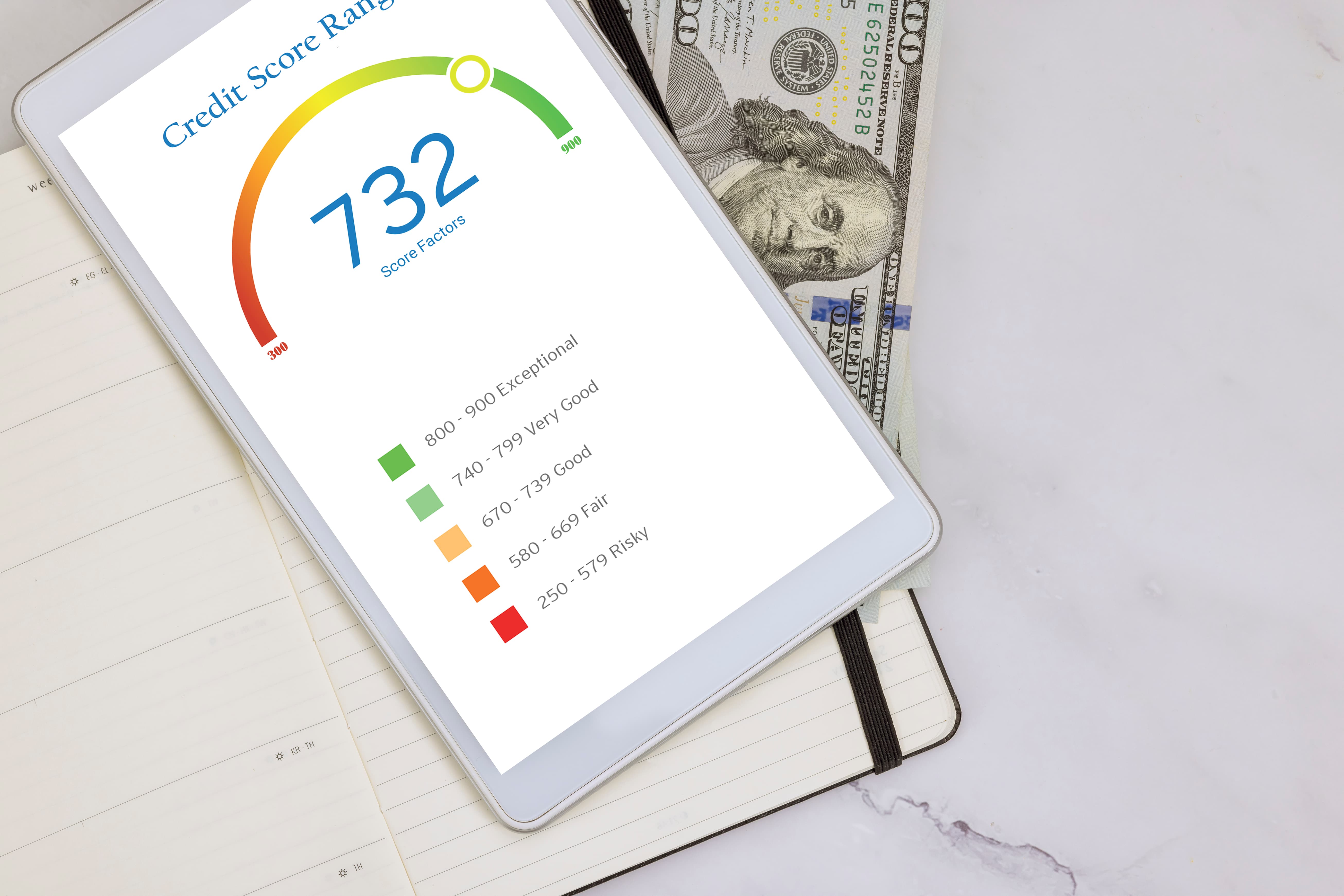
- Credit Score: A score of 750 or higher is usually preferred. A lower score can result in higher interest rates or denial of the loan.
- Employment: A salaried professional or a self-employed individual with a steady income stream.
- Documents Required: Proof of identity, address, income (salary slips, bank statements), and sometimes a copy of your credit report.
Since personal loans don’t require collateral, these eligibility factors are crucial in helping lenders assess your repayment capacity and the risk involved.
Eligibility for a Two-Wheeler Loan
For a two-wheeler loan, the eligibility criteria are similar to those of a personal loan, but with a focus on the cost of the two-wheeler being financed. Lenders also consider the value of the vehicle as collateral, which reduces their risk. Therefore, the approval process may be quicker and more straightforward, especially for people who already have a good credit score.
Typical Requirements for a Two-Wheeler Loan:
- Age: Between 18 and 65 years (varies by lender).
- Income: Minimum income criteria vary by lender but typically range from ₹10,000 to ₹30,000 per month, depending on the loan amount and city.
- Credit Score: A score of 700 or above is generally sufficient. Some lenders may accept scores lower than 700, but this may result in higher interest rates.
- Employment: Both salaried and self-employed individuals can apply. However, a stable employment record is preferred.
- Documents Required: Proof of identity, address, income, bank statements, and a copy of the two-wheeler invoice.
Because the loan is secured by the two-wheeler, lenders typically offer lower interest rates compared to personal loans, which can make this option more affordable for purchasing a bike or scooter.
Also Read: 6 Simple Budgeting Tips for Better Money Management
Pros and Cons of Personal Loan vs Two-Wheeler Loan
When choosing between a personal loan and a two-wheeler loan, it’s important to consider the advantages and disadvantages of each option. Here's a breakdown to help you make an informed decision.
Personal Loan: Pros and Cons
Pros:
- Flexibility in Usage: A personal loan can be used for almost anything, from emergencies, education, medical expenses, or travel. You aren’t restricted to purchasing only a specific asset, unlike a two-wheeler loan.
- No Collateral Required: Since personal loans are unsecured, you don’t need to pledge any assets like your house or car. This can be ideal for those who don’t have any valuable collateral to offer.
- Quick Disbursal: Personal loans are often processed faster than secured loans because they require less documentation and don’t involve asset evaluation.
- Higher Loan Amounts: Personal loans can typically provide larger amounts of money, depending on your income and creditworthiness, as compared to two-wheeler loans, which are limited by the vehicle’s value.
Cons:
- Higher Interest Rates: Personal loans are typically more expensive than two-wheeler loans because they are unsecured. Expect interest rates to range from 10% to 24% per annum, based on your credit score and lender.
- Shorter Repayment Periods: Personal loans usually have shorter repayment tenures (typically 1 to 5 years), which can increase your monthly EMI amount.
- Stringent Eligibility Criteria: Since the loan is unsecured, lenders require a good credit score (750+ is ideal) and stable income. If your credit score is low, you might face higher rates or rejection.
Two-Wheeler Loan: Pros and Cons
Pros:
- Lower Interest Rates: Since two-wheeler loans are secured by the vehicle, interest rates are usually lower than personal loans, typically ranging from 8% to 18% per annum.
- Longer Repayment Tenure: Two-wheeler loans typically offer longer repayment terms, ranging from 1 to 5 years, which results in lower monthly EMIs.
- Easier Approval: Since the loan is secured, approval is easier for individuals with a lower credit score, as the vehicle itself acts as collateral for the loan.
- Lower Processing Fees: Compared to personal loans, two-wheeler loans typically have lower processing fees, making them a more affordable option for purchasing a vehicle.
Cons:
- Collateral Requirement: You need to pledge the two-wheeler itself as collateral. If you default on the loan, the lender can seize the vehicle to recover their money.
- Purpose Restriction: A two-wheeler loan can only be used for purchasing a two-wheeler. If you need funds for other expenses like home renovation or medical bills, you will need to apply for a personal loan.
- Lower Loan Amounts: The loan amount is usually based on the vehicle’s invoice price and may cover only up to 90% of the cost, so you may need to pay a down payment upfront.
Also Read: Understanding Personal Finance and Budgeting for Financial Needs
Things to Consider Before Opting for a Personal Loan or Two-Wheeler Loan
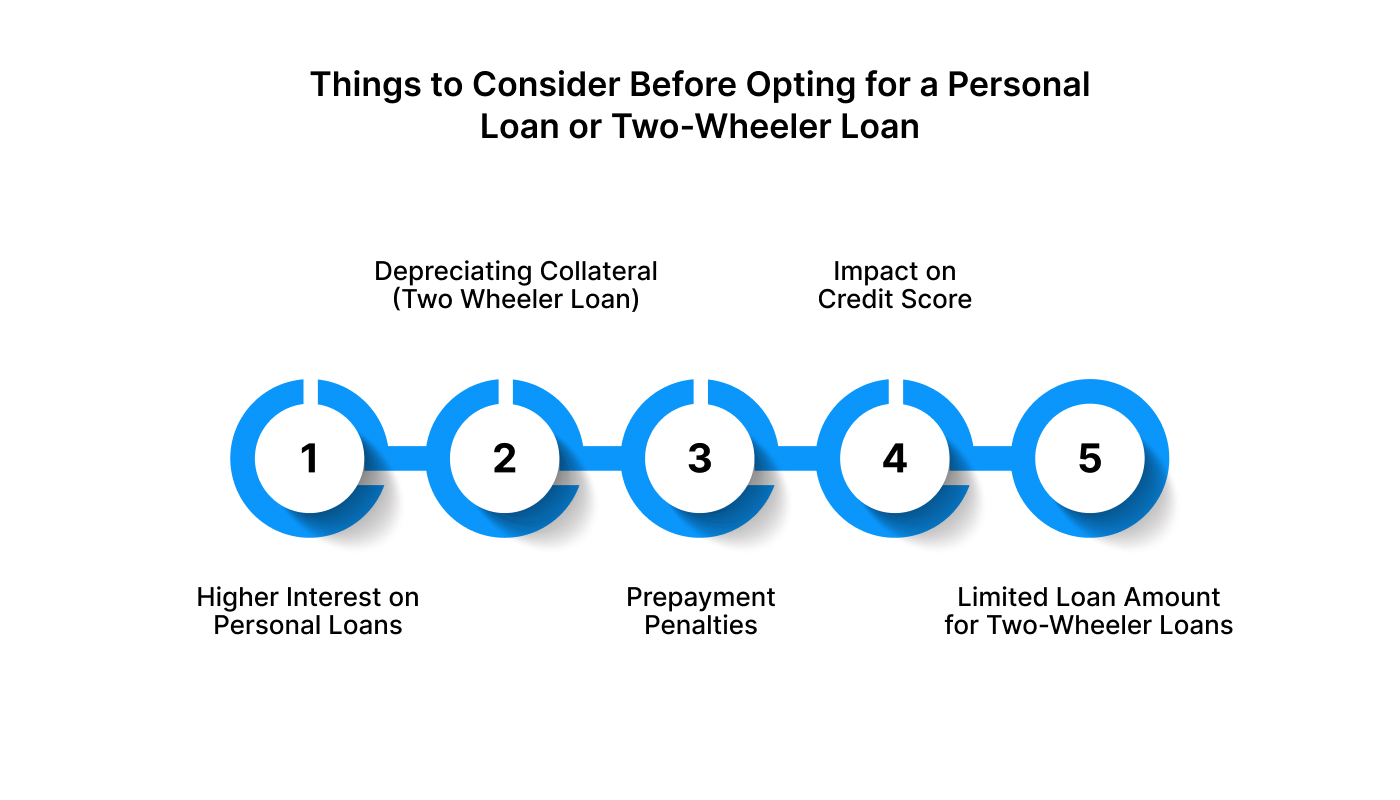
When considering a personal loan vs. a two-wheeler loan, it's important to weigh the risks and factors that could impact your financial situation. Here’s a breakdown of key risks and what to keep in mind:
1. Higher Interest on Personal Loans
Personal loans often come with higher interest rates because they are unsecured. This means that, while you don’t need to provide collateral, you’re more likely to pay higher rates. The downside is that over time, this can lead to a much higher overall cost of the loan.
Example: If you borrow ₹50,000 with a 15% interest rate for 2 years, you’ll end up paying significantly more in interest compared to a secured loan. This can make personal loans expensive in the long run if you don’t manage the repayment schedule effectively.
Mitigation: Shop around for the best interest rates, and ensure you have a clear repayment plan before taking on a personal loan.
2. Depreciating Collateral (Two Wheeler Loan)
With a two-wheeler loan, the vehicle you purchase acts as collateral. While this helps secure the loan and often lowers interest rates, it also comes with a major risk: the value of the vehicle will depreciate over time.
Example: A ₹90,000 bike might lose 20% of its value in just a few years. If you borrow a large amount, the vehicle’s depreciation could leave you with an outstanding loan balance greater than the vehicle’s resale value.
Mitigation: Borrow only the amount that is within the current market value of the vehicle, and plan for the depreciation in the long run.
3. Prepayment Penalties
Some lenders charge prepayment penalties if you pay off the loan early. While this might sound counterintuitive, it’s important to be aware of, especially if you plan on paying off your loan ahead of time to save on interest.
Example: If you take out a two-wheeler loan for ₹80,000 and decide to pay it off early to save on interest, you might find yourself paying a hefty penalty that cancels out the benefits of early repayment.
Mitigation: Always check your loan agreement for prepayment clauses to see if any penalties apply, and factor that into your decision to repay early.
4. Impact on Credit Score
If you miss payments or fail to repay your loan on time, your credit score could take a hit. This affects your ability to take out loans in the future, whether for a house, car, or other major expenses.
Example: Missing just one payment on a personal loan could drop your credit score by a significant amount, making it harder to qualify for future loans or credit cards.
Mitigation: Set up automatic payments or reminders to ensure you never miss a payment, and keep your credit score in good standing.
5. Limited Loan Amount for Two-Wheeler Loans
Two-wheeler loans are typically limited to the cost of the vehicle itself. This might not cover other expenses such as insurance, registration fees, or accessories.
Example: If the cost of your desired bike is ₹85,000 but the total cost of purchasing it (with insurance and registration) is ₹1,00,000, a two-wheeler loan may only cover ₹85,000, leaving you to cover the rest out-of-pocket.
Mitigation: Always factor in additional costs (insurance, taxes, accessories) before applying for a two-wheeler loan, and have a clear plan for covering those extra expenses.
How Pocketly Can Help With Personal Expense Needs
When unexpected expenses arise, Pocketly offers a quick, convenient solution to manage your personal financial needs. Whether it’s covering emergency bills, handling month-end shortages, or managing personal indulgences, Pocketly provides fast, short-term loans to help you stay on track without disrupting your finances.
Here’s how Pocketly can help:
- Quick Access to Funds: Apply for loans ranging from ₹1,000 to ₹25,000 through the Pocketly app, and get fast approval and instant fund transfer directly to your bank account.
- No Collateral Required: Pocketly offers unsecured loans, meaning you don’t need to pledge any assets to secure the funds. This makes it easier for you to get the money you need without the added stress of collateral.
- Flexible Repayment Options: Choose a loan tenure that suits your budget and cash flow, making it easier to repay without stretching your finances.
- Transparent Interest Rates: Interest rates start at just 2% per month with minimal processing fees between 1% and 8%. Pocketly’s clear, upfront pricing means there are no hidden charges, so you can plan your repayment confidently.
- Available 24/7: Pocketly is always accessible via its mobile app, allowing you to apply for a loan at any time, day or night.
When personal expenses start piling up, Pocketly helps you get back on track, providing financial flexibility when you need it the most.
Bottom Line
Choosing the right loan depends on your unique needs and financial situation. Personal loans offer the flexibility to cover a variety of expenses but tend to come with higher interest rates due to their unsecured nature. Two-wheeler loans, on the other hand, are specifically designed for purchasing bikes or scooters and often come with lower interest rates due to collateral.
For individuals looking to quickly address personal financial needs, a personal loan might be the best option. But for those focused on buying a two-wheeler, a two-wheeler loan provides a more cost-effective and structured approach to financing.
Even with careful planning, unexpected expenses can arise, making access to fast financial relief essential. Pocketly is here to help. Offering quick, hassle-free loans from ₹1,000 to ₹25,000, Pocketly provides flexible repayment terms and transparent interest rates to ensure you stay on top of your financial goals.
Download Pocketly on iOS or Android for quick and easy access to funds when you need them most.
FAQs
1. Can I use a personal loan to buy a two-wheeler?
Yes, you can use a personal loan to purchase a two-wheeler, but it may come with higher interest rates compared to a dedicated two-wheeler loan, which offers lower rates due to the vehicle acting as collateral.
2. Do two-wheeler loans require collateral?
Yes, a two-wheeler loan typically requires the vehicle itself as collateral or security, making it a secured loan with lower interest rates compared to unsecured personal loans.
3. Which loan has a lower interest rate?
Two-wheeler loans generally have lower interest rates compared to personal loans, as they are secured by the vehicle. Personal loans, being unsecured, usually have higher rates.
4. How soon can I get funds with a personal loan?
Personal loans can often be approved and disbursed quickly, especially if applying through digital platforms, where the process can take just a few hours to a couple of days.
5. Does my credit score affect both loans?
Yes, your credit score plays a significant role in both types of loans. A higher score can result in better loan terms, including lower interest rates and higher loan amounts.