

Gen Z Money Habits in 2027: Why Young Indians Are Rethinking Money and Loans
Your salary comes in. You pay the rent, send some money home, clear a few bills and order something you've wanted for months. A week later, you check your bank balance and wonder where everything went.
This isn't unusual for someone earning their first salary in India.
Young people today have more ways to earn and spend money than ever before. They can start investing with a small amount, work with clients overseas, pay through UPI and apply for a loan without visiting a bank. Yet having so many financial options doesn't always make managing money easier.
That's what makes Gen Z money habits in 2027 worth talking about.
According to Deloitte's 2026 India survey, 54% of Gen Z respondents had postponed major life decisions because of financial pressure. Around 20% said they struggled to pay their living expenses every month.
These numbers tell us something that often gets missed. Young Indians aren't just chasing expensive lifestyles. Many are trying to build a comfortable life while dealing with rising expenses and uncertain income.
How Is Gen Z Managing Money Differently?
Gen Z has grown up with mobile banking, shopping apps and digital payments. For them, managing money online feels normal.
But there's a big difference between knowing how to use a financial app and knowing how to manage money.
You might have three investment apps on your phone and still struggle to save ₹2,000 at the end of the month.
Some young professionals invest as soon as their salary arrives. Others prefer keeping money in their bank accounts because their jobs or freelance income aren't predictable.
Neither approach works for everyone.
Good Gen Z money management starts with understanding your income, regular expenses and financial responsibilities.
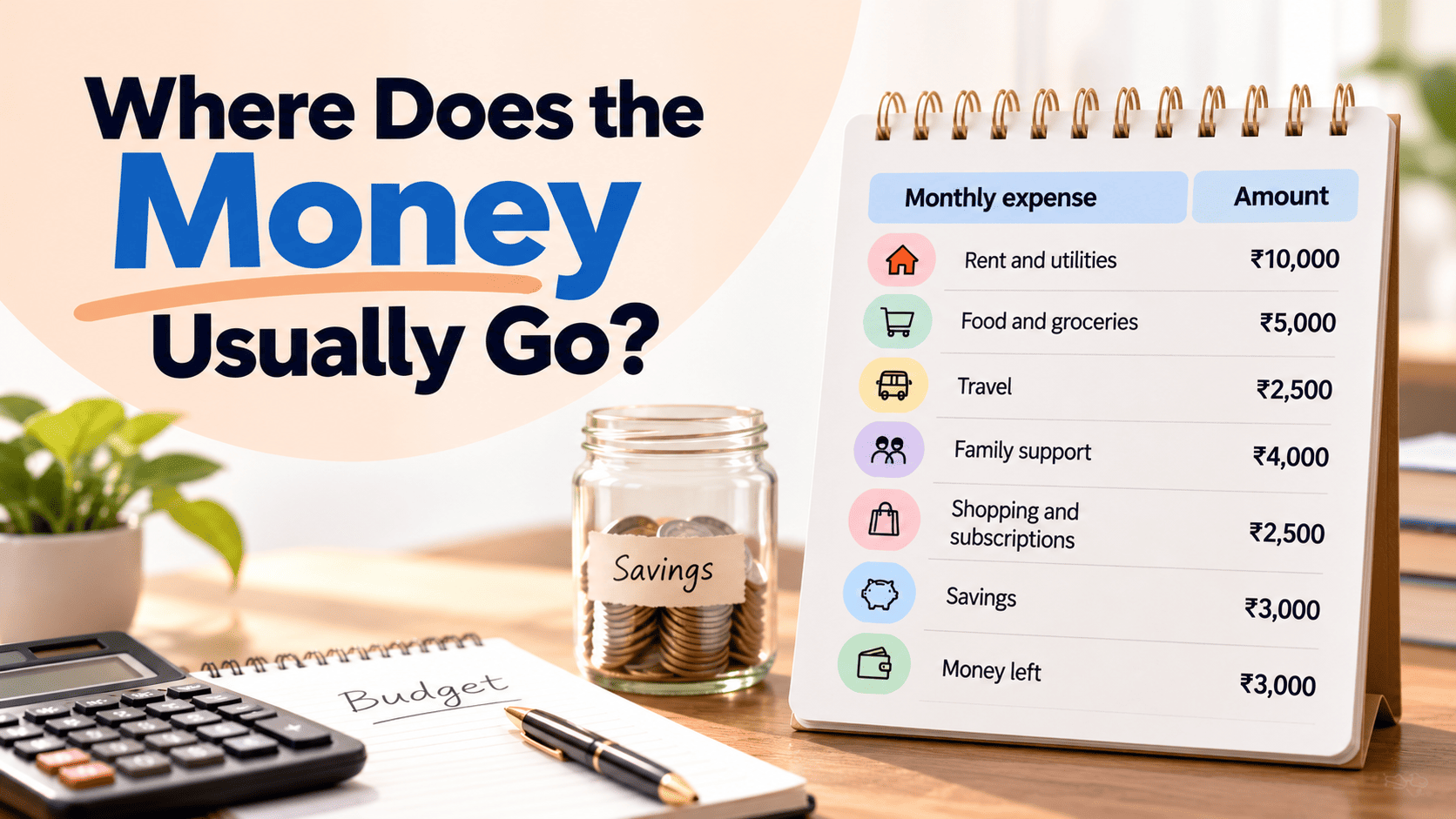
Where Does the Money Usually Go?
Consider someone earning ₹30,000 a month in Bengaluru.
|
Monthly expense |
Amount |
|
Rent and utilities |
₹10,000 |
|
Food and groceries |
₹5,000 |
|
Travel |
₹2,500 |
|
Family support |
₹4,000 |
|
Shopping and subscriptions |
₹2,500 |
|
Savings |
₹3,000 |
|
Money left |
₹3,000 |
This is an illustrative budget, not survey data.
Now imagine an unexpected ₹8,000 medical expense.
The problem isn't necessarily poor spending. Sometimes there simply isn't enough money available to manage everything at once.
This is where emergency savings matter, and where borrowing may become an option if other resources aren't sufficient.
Why Are More Young Indians Entering the Credit Market?
Getting a credit card or personal loan used to feel like something people considered after spending several years in a job.
That is changing.
TransUnion CIBIL reported in March 2025 that Gen Z accounted for 41% of first-time borrowers in the period studied.
A young person may now begin their credit journey with a small loan, a credit card or consumer financing.
But early access to credit also brings responsibility.
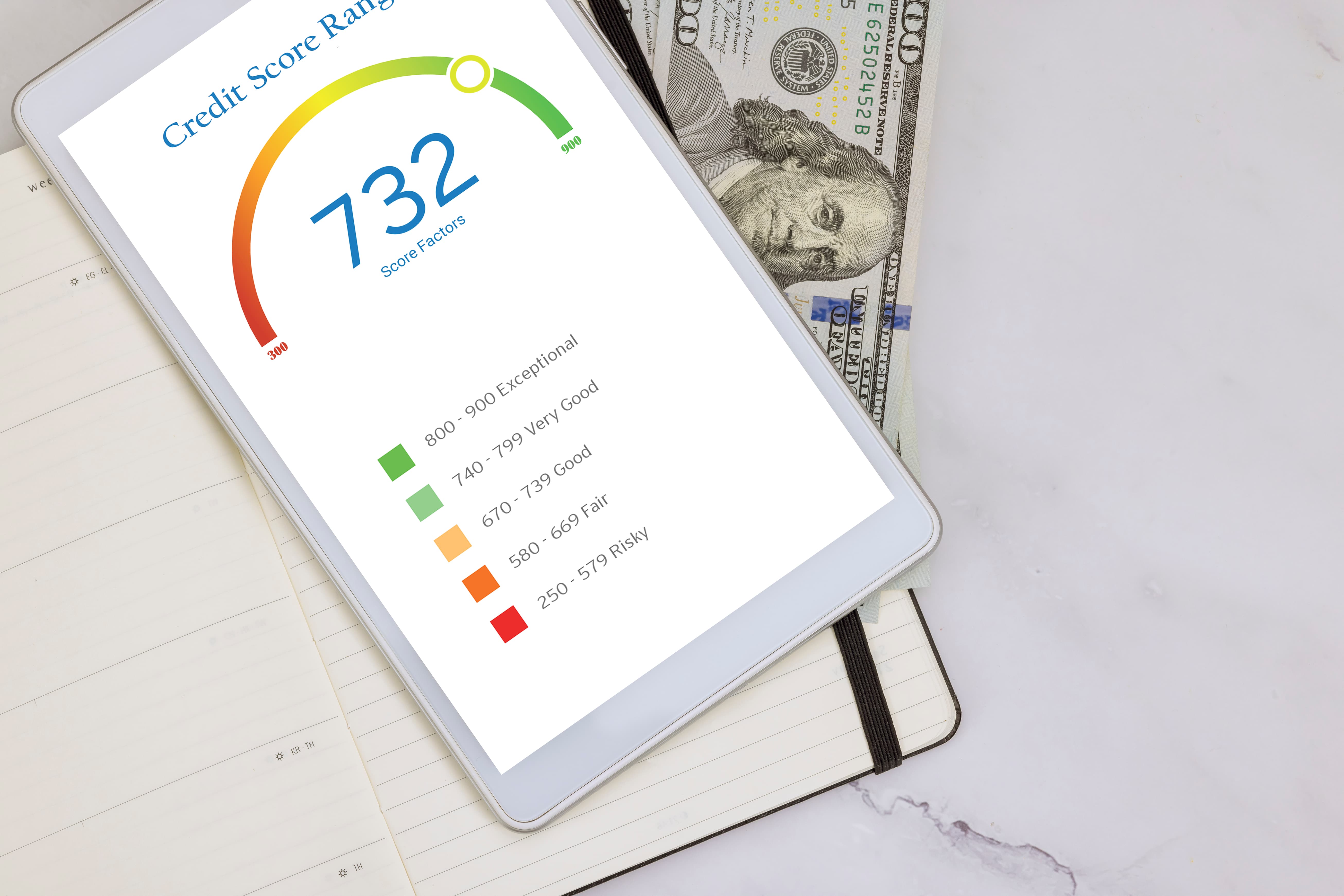
Missing even a small EMI can create problems. Late fees increase the amount owed, and reported repayment delays can affect future credit eligibility.
This is why Gen Z credit habits matter as much as earning and saving.
A sensible borrower looks at the repayment amount before accepting a loan, not after the money reaches their account.
Is Taking a Personal Loan a Bad Money Habit?
Not necessarily.
A personal loan is a financial commitment. Whether it helps or hurts depends on the reason for borrowing and the total repayment cost.
Think about a freelancer whose laptop stops working during an important project. Repairing it might be necessary to continue earning.
Now compare that with borrowing the same amount to buy an expensive phone when the existing one works perfectly.
Both involve borrowing money. The financial consequences can be quite different.
For someone looking for a personal loan for young professionals, the first thing to check isn't the maximum loan limit. It's whether the monthly or scheduled repayments fit the income they can realistically expect.
If your income changes every month, leave enough room for a slower month.
Never depend on uncertain trading profits or future investment gains to repay a personal loan.
What Should Gen Z Check Before Borrowing?
An instant personal loan app can make the application process convenient. But convenience should not be confused with affordability.
Before accepting a loan, check the following:
-
Interest and APR: Understand the annualised cost of borrowing, including applicable charges.
-
Processing fee: Check how much may be deducted and how much you will actually receive.
-
Repayment date: Make sure the due date matches your expected cash flow.
-
Total repayment: Know the full amount you must repay.
-
Lender details: Verify the regulated lender and read the Key Facts Statement.
A smaller loan with a higher borrowing cost isn't automatically better than a larger loan. Compare the actual cost and borrow only what you need.
How Pocketly Supports Young India's Borrowing Needs
At Pocketly, we know that financial needs don't always arrive on payday.
A student may need to cover an essential expense. A first-jobber may be managing rent and relocation costs. A freelancer may have to wait for a client payment.
For eligible borrowers who need short-term financial support, Pocketly offers a digital personal loan application.
Our platform provides:
-
Personal loan options from ₹1,000 to ₹50,000.
-
A 100% digital application process.
-
No CIBIL score requirement to apply.
-
Loan-request approval targeted within a maximum of seven minutes.
-
Repayment terms disclosed before loan acceptance.
Pocketly reports 10M+ users through its official website. Our lending information identifies Speel Finance Company Private Limited as an RBI-registered NBFC.
An applicant's eligibility, verification results and lender assessment determine whether a loan can be approved. The time needed for approval or disbursal may vary.
If you're searching for an instant loan for young adults or Gen Z personal loans, you can explore the options available through Pocketly.
Check Your Personal Loan Eligibility on Pocketly
Always check the interest rate, APR, processing fee and total repayment before accepting an offer.
The Money Habit Gen Z Should Carry Into 2027
It's easy to assume that someone who earns more money will automatically become financially secure.
But a higher salary can disappear just as quickly if expenses grow alongside it.
The real difference comes from having some control over the money you already earn.
You don't have to stop going out with friends or buying things you enjoy. Instead, try leaving enough money untouched for unexpected expenses.
Check your transactions occasionally. Cancel subscriptions you no longer use. Build savings gradually, even if you can only set aside a small amount.
And if you need credit, make sure you understand what you're agreeing to.
These simple decisions can do more for your finances than downloading another budgeting app.
Final Thoughts
Money decisions don't become easy just because you start earning.
There will be months when everything goes according to plan and others when an unexpected bill changes your budget completely.
For Gen Z, the goal in 2027 should be to understand money well enough to handle both situations.
Save when you can. Spend on things that genuinely matter to you. Avoid taking on repayments your income cannot comfortably support.
And when you need short-term financial assistance, Pocketly lets eligible borrowers check personal loan options up to ₹50,000 through a digital application.
Good money habits aren't about never borrowing. They're about knowing when borrowing is worth the cost.
Frequently Asked Questions
What are Gen Z money habits?
Gen Z money habits include digital payments, online banking, investing, saving, credit monitoring and managing everyday expenses through mobile financial services.
Why are Gen Z financial habits changing?
Digital financial services are easier to access, while living costs, career uncertainty and changing lifestyles are influencing how young adults handle money.
What are common Gen Z spending habits?
Many young adults spend on rent, food, travel, subscriptions, electronics, education and experiences. Spending patterns vary widely depending on income and responsibilities.
Are Gen Z personal loans available in India?
Yes. Eligible young adults can apply for personal loans through banks and regulated NBFCs, subject to lending criteria.
Can Gen Z get a personal loan without a credit history?
Some lenders consider applicants who have limited credit histories. Eligibility depends on the lender's assessment and other application details.
Can I apply through Pocketly without a CIBIL score?
Yes. Pocketly states that a CIBIL score isn't required to apply. Loan approval still depends on eligibility and verification.
How can Gen Z improve financial literacy?
Learning to budget, understanding interest and APR, checking credit reports, saving for emergencies and avoiding unnecessary debt are useful starting points.
Is an instant personal loan suitable for emergencies?
It may help with a necessary expense when repayment is affordable. Compare available options, including existing savings, before borrowing.