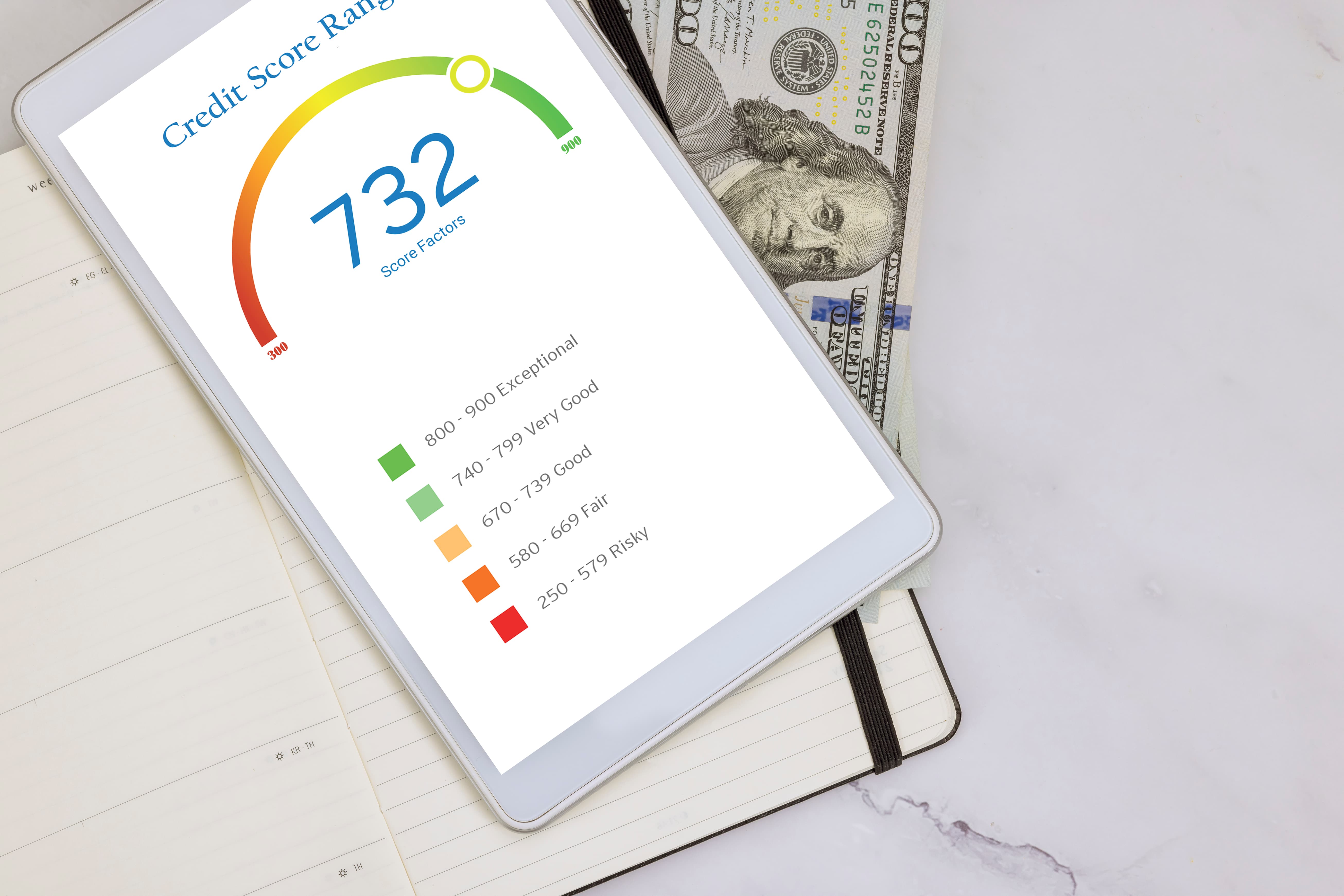


Missing a payment by just one day can be enough to make you worry about your CIBIL score, future loan approvals, and additional charges. The good news is that a one-day delay does not automatically result in a negative mark on your credit report.
Most lenders report repayment information to credit bureaus periodically, which means a quickly corrected payment may not have the same impact as an account that remains overdue for weeks or months.
According to RBI guidelines, borrowers are entitled to one free full credit report every year, making it easier to track repayment history and identify reporting errors early.
In this guide, you'll learn when a late payment can affect your credit profile, how lenders evaluate overdue accounts, and the steps you can take to minimise any potential damage.
TL;DR
-
A 1-day late payment does not automatically damage your CIBIL score. Lenders typically report repayment data to credit bureaus in monthly cycles, so a quickly corrected delay may have limited impact.
-
Late fees and credit reporting are different. You can be charged a late fee immediately after the due date even if the delay has not yet been reported to a credit bureau.
-
DPD (Days Past Due) tracks how long a payment remains overdue. Longer delays, such as 30, 60, or 90+ days past due, are viewed much more seriously by lenders than a brief missed payment.
-
The fastest way to reduce potential damage is to pay immediately. Clearing the overdue amount, verifying payment confirmation, and reviewing your next statement can help prevent further issues.
-
Responsible short-term borrowing can help avoid missed payments during temporary cash shortages. If used carefully and repaid on time, small-ticket loans may help bridge short-term financial gaps and prevent overdue accounts.
What Counts as a Late Payment in Credit Reporting?
A late payment is any EMI or credit card payment that remains unpaid after the due date. However, whether that late payment appears on your credit bureau report depends on several factors, including the lender's reporting cycle and the duration of the delay.
Most banks, NBFCs, and credit card issuers report repayment data to credit bureaus monthly. If you clear the payment quickly, the lender may not report it as a delayed payment, depending on their reporting process.
Lenders use DPD (Days Past Due) records when reporting to credit bureaus like TransUnion CIBIL. DPD shows how many days a payment remained unpaid after the due date:
-
DPD 0: Payment made on time
-
DPD 1: Payment delayed by 1 day
-
DPD 30: Payment overdue for 30 days
-
DPD 60 or 90: Serious repayment delay
Also read: Understanding DBT, STD, LSS & DPD in CIBIL Report
What Happens When You Miss a Payment
Even if your CIBIL score does not drop immediately, missing a due date can trigger:
-
Late payment fees (charged immediately)
-
Additional interest charges or loss of interest-free grace period
-
EMI bounce or NACH return fees if auto-debit fails
-
Internal lender risk flags affecting future loan approvals, credit limit increases, and promotional offers
Single Delays Versus Repeated Misses
A single isolated delay is generally treated differently from a pattern of missed payments. Credit bureaus and lenders focus more on repeated delays, longer overdue periods, or how quickly you pay after missing a due date. If you realise you missed a payment, clearing it immediately is usually the best step to prevent a more serious repayment record.
Late Fees and Credit Bureau Reporting Are Different
A lender can charge a late fee immediately after the due date, but bureau reporting may happen later during the monthly reporting cycle. This means two people with the same 1-day delay may see different outcomes on their credit reports. Checking your repayment status early matters, as ignoring even a small delay can turn a manageable issue into a longer overdue record.
When Does a Late Payment Become Serious for Your Credit Profile?
Not every delayed payment carries the same level of risk. A payment that is overdue by one or two days is usually treated very differently from an account that remains unpaid for weeks or months.
The longer a payment stays overdue, the more likely it is to affect your credit profile, future borrowing ability, and lender trust.
1–7 Days Late: Usually a Short-Term Warning Stage
A delay of a few days is often considered an early overdue period. At this stage:
-
You may face late payment or bounce charges
-
The lender may send reminders through SMS, email, or calls
-
Internal risk tracking may begin
8–29 Days Late: Risk Starts Increasing
Once a payment remains overdue for more than a week, lenders may begin treating the account more seriously.
At this stage:
-
Additional charges may continue accumulating
-
Collection reminders may become more frequent
-
The delay becomes more likely to appear in repayment records
Repeated short delays across multiple accounts can also raise concerns for lenders reviewing future applications.
30+ Days Late: Major Credit Warning Territory
A payment overdue by more than 30 days is generally considered a significant repayment issue.
This is where:
-
Negative repayment records may become more visible
-
Future loan approvals may become harder
-
Lenders may reduce credit flexibility
-
Creditworthiness concerns start increasing
A 30-day overdue status signals that the borrower did not regularise the payment within the normal billing cycle.
For someone planning to apply for a personal loan, a credit card, or short-term emergency credit, this kind of delay may affect lender confidence more noticeably than a brief missed payment.
90+ Days Late: Default Risk Becomes Serious
Once an account remains unpaid for 90 days or longer, lenders may classify it as a serious default risk.
At this stage:
-
Recovery efforts usually become more aggressive
-
Borrowing access may reduce significantly
-
Future approvals may become difficult for some time
-
The account may be categorised as a non-performing asset (NPA) in certain lending situations
This level of overdue status is far more damaging than a one-day delay and can take much longer to recover from.
Also read: Difference and Meaning of Loan Write-Off and Waive-Off
Simple Timeline: How Late Payments Escalate
Here is a simplified view of how repayment delays are generally treated:
-
1–7 days: Early overdue stage, fees and reminders may start
-
8–29 days: Increased monitoring and repayment concern
-
30+ days: Serious credit profile warning territory
-
90+ days: High-risk default territory
What Should You Do If You Missed a Payment by One Day?
Missing a payment by one day is stressful, but delaying action further can create bigger problems. The faster you respond, the better your chances of limiting extra charges, repayment issues, and possible credit profile impact.
Instead of panicking, focus on fixing the payment and checking that your account returns to normal status.
Pay the Overdue Amount Immediately
Your first step should be clearing the missed payment as soon as possible. Even a short delay can trigger:
-
Late payment fees
-
Extra interest charges
-
EMI bounce penalties
-
Internal lender monitoring
If the missed payment happened because of:
-
a salary delay,
-
a failed auto-debit,
-
or a temporary cash shortage,
Try to settle the amount before the overdue period extends further.
Also read: Overdue Payment in Loan: Meaning, Consequences, and How to Clear It
Confirm That the Payment Was Successfully Processed
Making the payment is only part of the process. You should also verify that the lender actually received and updated it correctly.
Check:
-
Bank debit confirmation
-
UPI or payment acknowledgement
-
Updated loan or card status
-
SMS or email confirmation from the lender
Payment failures sometimes happen because of:
-
technical issues,
-
delayed bank processing,
-
or incorrect account details.
Ignoring this step can leave the account marked overdue even after you attempted payment.
Review Your Next Statement Carefully
After the payment is completed, review the next billing statement or loan summary.
Look for:
-
Late fees added
-
Additional interest charges
-
Bounce penalties
-
Updated outstanding balance
This helps you confirm whether the account has been regularised properly.
For salaried professionals managing multiple EMIs or credit cards, checking statements carefully can prevent one missed payment from rolling into the next month’s dues.
Monitor Your Credit Report Later
A one-day delay may not always appear immediately on your credit history. However, it is still a good idea to monitor your credit report after the next reporting cycle.
You can check whether:
-
The account was marked overdue
-
Repayment status was updated correctly
-
Any reporting errors occurred.
If you notice incorrect reporting, raise the issue with the lender promptly and keep your payment records ready.
Contact the Lender if It Was a Genuine First-Time Delay
Some lenders may consider customer history while reviewing short delays, especially if:
-
It was your first missed payment,
-
The delay was corrected quickly,
-
The issue happened because of a technical or banking problem.
While fee reversals or adjustments are not guaranteed, communicating early usually works better than ignoring reminders. This is particularly useful for borrowers who have otherwise maintained a strong repayment record.
How Responsible Short-Term Borrowing Can Help During Temporary Cash Gaps
Not every financial emergency involves a large amount. Many borrowers only need a small temporary cushion to manage immediate expenses such as:
-
Utility bills
-
Insurance premiums
-
Medical costs
-
Education-related payments
-
Supplier dues
-
Rent shortfalls
-
Existing EMI repayments
For example:
-
A student may need funds to avoid missing an exam fee deadline
-
A salaried employee may need temporary support before salary credit
-
A small entrepreneur may need quick liquidity to pay a supplier while waiting for customer payments
In these cases, a small-ticket loan can sometimes help avoid late payment fees, bounce charges, or repayment stress.
Borrow Only What You Can Comfortably Repay
A common mistake borrowers make is taking more credit than required during a short cash crunch.
Instead, it is safer to:
-
Calculate the exact amount needed
-
Understand repayment obligations clearly
-
Avoid overlapping multiple repayments together
Managing Short-Term Cash Gaps Responsibly with Pocketly
Temporary cash shortages can happen unexpectedly. In these situations, having access to structured short-term credit may help borrowers avoid additional financial stress. Pocketly is a digital lending platform working with RBI-registered NBFCs, designed for young Indians looking to manage short-term liquidity gaps responsibly.
Pocketly offers:
-
Small-ticket loans from ₹1,000 to ₹25,000
-
Interest starting from 2% per month
-
Processing fees ranging from 1% to 8%
-
No collateral requirement
-
Fast digital application process
-
Quick digital KYC
Eligibility, approval status, and visible loan limits may vary depending on the borrower’s profile and verification details.
How the Process Works
Borrowers can complete the process digitally in a few simple steps:
-
Download the app or visit the website
-
Complete digital KYC
-
Select the required loan amount
-
Receive approval and funds after verification
This kind of short-term borrowing is generally more useful when planned carefully around an existing repayment schedule rather than used repeatedly without budgeting.
Before borrowing, it is still important to review repayment timelines, total repayment obligations, and monthly affordability carefully.
Conclusion
Missing a payment by one day does not automatically damage your CIBIL score, but it should never be ignored. The impact depends on how quickly you clear the dues, your lender’s reporting cycle, and your overall repayment history. Paying the amount immediately, monitoring your credit report, and staying on top of future due dates can help protect your credit profile and avoid unnecessary fees.
If a temporary cash shortage puts you at risk of missing an important payment, the Pocketly app can help bridge short-term financial gaps with quick access to small-ticket loans. Download the Pocketly app today and manage unexpected expenses without disrupting your repayment schedule.
FAQs
1. Will a 1-day late payment affect my CIBIL score?
Not necessarily. Most lenders report repayment data to credit bureaus in monthly cycles. If you clear the missed payment quickly, it may have little or no impact on your CIBIL score, depending on the lender’s reporting process.
2. Can I be charged a late fee even if the delay is only one day?
Yes. Many lenders charge late payment fees, interest, or bounce charges immediately after the due date passes, even if the delayed payment has not yet been reported to a credit bureau.
3. What does DPD mean in a credit report?
DPD stands for Days Past Due. It indicates how many days a payment remained overdue after the due date. Higher DPD values, such as 30, 60, or 90 days, are viewed more negatively by lenders than short delays.
4. How can I check whether a missed payment was reported to CIBIL?
You can review your credit report after the lender’s next reporting cycle. Check whether the account status, payment history, and DPD records have been updated correctly. If you spot an error, contact the lender and raise a dispute promptly.
5. What should I do immediately after missing a payment?
Pay the overdue amount as soon as possible, verify that the payment was successfully processed, review your next statement for any charges, and continue making future payments on time. Taking quick action can help minimise fees and reduce the risk of a negative repayment record.