

Tired of juggling bills, UPI payments, and random weekend splurges and wondering if there’s a smarter way to track it all? Managing money manually or through spreadsheets can get confusing fast, especially when every tea break and online order adds up silently.
That’s where expense tracker apps come in. These tools don’t just record where your money goes, but also help you understand why it’s going there. But with so many options out there, how do you know which one’s actually worth your time?
In this blog, we’ve rounded up the best expense tracker apps in India that truly help you manage your money better. Whether you want a minimalist tracker or an all-in-one finance planner, you’ll find your perfect match here.
In A Nutshell:
- Expense tracker apps help monitor spending, identify patterns, and improve overall money management.
- The right app depends on your needs, like budgeting, automation, or detailed spending insights.
- Top apps like Goodbudget and Monefy suit manual tracking, while Axio and Moneyview automate everything.
- Compare features like easy navigation, useful insights, and secure data syncing before choosing one.
- Categorise expenses smartly to see where your money really goes each month.
What Exactly Is An Expense Tracker?
Remember when your parents used to note down every grocery expense in a small diary? Well, an expense tracker is basically that, but digital, smarter, and way less effort.
These mobile or web apps automatically record your income, spending, and savings, so you don’t have to manually jot down every ₹20 transaction. You can track where your money goes, get spending insights, and even plan monthly budgets with a few taps.
Here’s what a good tracker can help you with:
- Record your daily spending across categories like food, transport, and shopping.
- Monitor income sources, including salary, freelance gigs, or even pocket money.
- Set budgets and receive alerts before overspending.
- View monthly or weekly reports to understand your money habits.
- Track savings and plan short-term or long-term goals.
So, whether you’re a student with a tight budget or a professional balancing bills and social life, an expense tracker can be your accountability partner.
Also Read: How to Manage Monthly Expenses Smartly in 2025
How Do Expense Trackers Work?
If you think you’ll need to enter every single transaction manually, don’t worry, you don’t. Expense trackers work by categorising and recording every transaction you make, whether through UPI, debit card, or cash. Once you link your account or input transactions, the app organises everything neatly into categories.
Here’s what most apps do for you:
- Auto-import transactions: Some sync directly with your bank or wallet.
- Auto-categorisation: They detect if a purchase is food, rent, or shopping.
- Manual entries: For cash spends, you can add transactions yourself.
- Budget alerts: You’ll get reminders when you’re nearing your limit.
- Reports & insights: Visual graphs show where most of your money goes.
Every app feels a bit different, so let's look at the top ones that you can try.
Top 8 Expense Tracker Apps In India (2025)
Looking for an expense tracker to actually help you save, not just stare at numbers? These 8 apps cover different styles of tracking and budgeting, so you can pick whatever fits your routine and income:
1. Goodbudget

Best for: people who like hands-on envelope budgeting and shared expense planning.
Goodbudget brings the traditional “envelope” budgeting system into a digital space. You divide your income into virtual envelopes like rent, food, and leisure and track spending as you go. It’s perfect for those who want total control without relying on automatic syncing.
Features
- Create custom virtual envelopes for each spending category.
- Track income, savings, and expenses manually for accurate awareness.
- Analyse monthly reports to see where most of your money goes.
- Sync data across devices to share budgets with partners or family.
- Carry forward unspent funds for better savings consistency.

2. Moneyview

Best for: people who prefer automation and real-time expense insights.
Moneyview automatically scans your SMS notifications and bank data to build a full financial picture with no manual logging needed. It’s one of the smoothest apps for busy students and professionals who want clarity on their spending habits.
Features
- Automatically reads bank SMS alerts to track income and spending.
- Categorises every expense to show exactly where your money goes.
- Sends bill reminders so you never miss payments.
- Gives weekly and monthly summaries to help adjust budgets.

3. Wallet
Best for: those who want one app for budgeting, bank syncing, and shared accounts.
Wallet syncs directly with your bank and builds visual reports showing your cash flow. It’s handy for people managing multiple accounts or shared bills. The app’s clean graphs make budgeting easier to understand, even for first-timers.
Features
- Auto-syncs with your bank to track transactions in real time.
- Creates visual overviews with graphs, charts, and balance updates.
- Lets you share accounts with partners or family for group tracking.
- Organises bills, subscriptions, and payment reminders.
- Offers cloud backup and exports to CSV/XLS for recordkeeping.

4. Monefy

Best for: users who want a fast, intuitive, and minimal interface.
Monefy is all about simplicity. You can record expenses with just two taps, view your spending in colourful pie charts, and easily track where your cash goes each month. It’s lightweight, perfect for students who need quick clarity.
Features
- Add transactions in seconds using one-tap entry.
- View clear category breakdowns through colourful charts.
- Sync across devices via Dropbox or Google Drive.
- Create multiple accounts for personal, travel, or shared budgets.
- Built-in calculator and passcode lock for privacy.

5. Axio

Best for: people who want expense tracking with credit and bill reminders.
Axio (formerly Walnut) gives you a full view of your spending, savings, and bills, all powered by SMS tracking. It’s ideal if you like having your budget and short-term credit options in one app.
Features
- Reads SMS alerts to auto-track all transactions.
- Groups expenses into categories and budgets for each.
- Sends reminders for bills and due payments.
- Offers “Pay Later” options and short-term personal credit.
- Provides visual breakdowns of monthly spending trends.

6. Realbyte (Money Manager)
Best for: users who prefer deep insights and professional-style record keeping.
Realbyte’s Money Manager uses a double-entry system for accurate tracking. It’s ideal for freelancers, side-hustlers, or anyone who wants to treat personal finance like a mini business ledger.
Features
- Uses double-entry bookkeeping for precise records.
- Tracks cash, card, and asset balances in one dashboard.
- Lets you bookmark and filter important transactions easily.
- Generates daily, weekly, and monthly performance reports.
- Supports data backups and exports for safekeeping.

7. Dhani

Best for: those who want expense tracking along with payments and instant credit.
Dhani acts like a multi-tool for your finances, combining expense management, UPI payments, and instant loans. It’s good for users who prefer one app for tracking and transacting.
Features
- Track expenses and make payments via the Dhani wallet.
- Apply for small personal loans or instant credit lines.
- Pay bills, recharge, or shop using your Dhani card.
- Access podcasts and wellness content under “Dhani Zone.”
- Earn cashback and rewards through referrals.

8. ET Money

Best for: people who want to manage expenses and investments together.
ET Money helps you track spending while also letting you invest in mutual funds and SIPs. It’s a one-stop app for those who want to manage both short-term expenses and long-term goals.
Features
- Tracks transactions from SMS and categorises automatically.
- Lets you invest in SIPs, mutual funds, and tax-saving schemes.
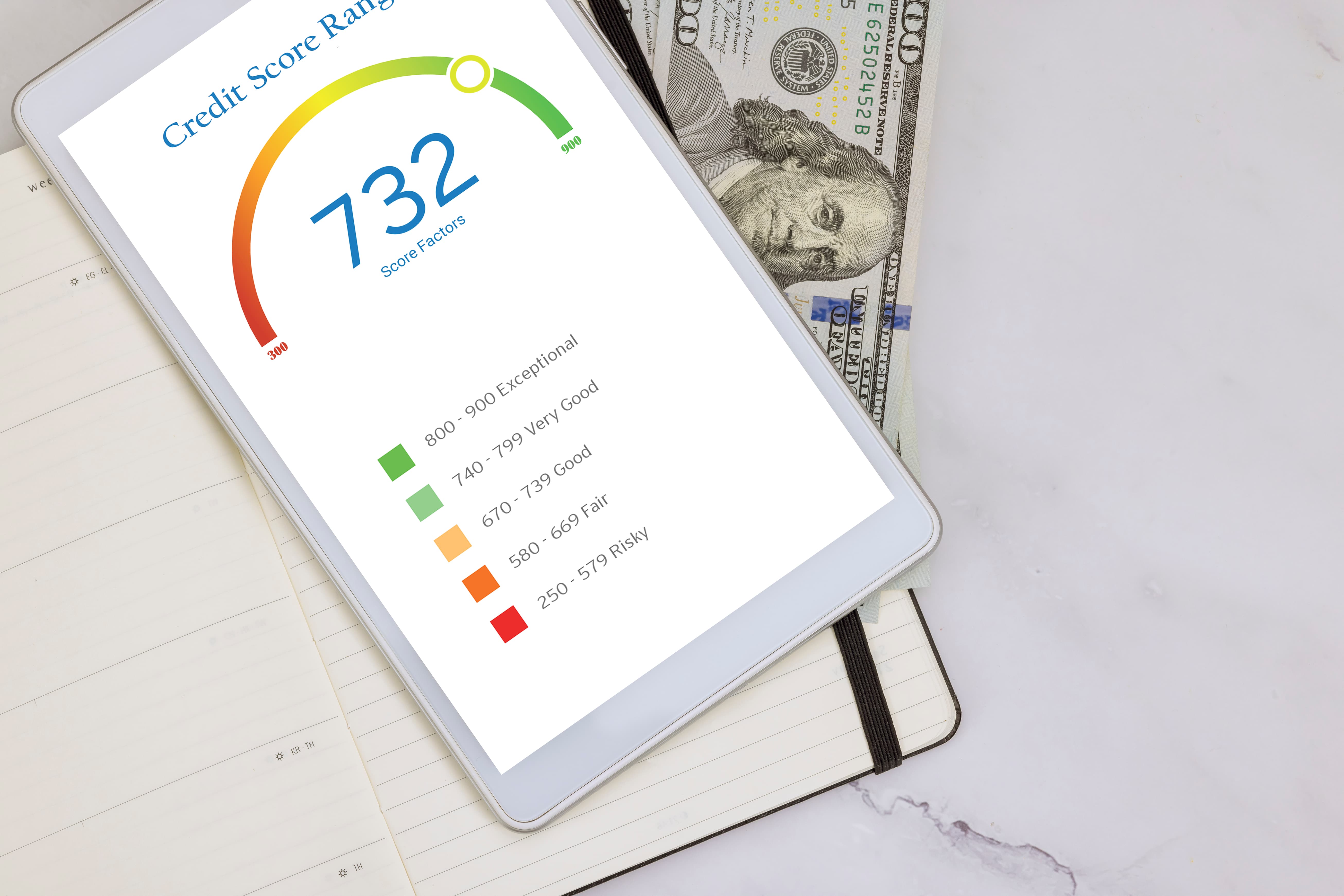
- Provides free credit score checks and insurance options.
- Generates expense insights and personalised saving plans.
- Available in multiple Indian languages for wider accessibility.

Now that you know the top expense trackers, it’s time to get a little strategic because not every app is made for you. So, before you hit “Install,” let’s understand the key factors to consider when choosing the right one for your needs.
Stay on top of your money with the best expense trackers and count on Pocketly when you need quick, hassle-free loans for a little extra boost.
What To Look For In An Expense Tracker App?
You don’t need a fancy tool; just one that fits you. Some users love automation, while others prefer manual control. Here’s what to consider before you download one:

User-Friendly Interface
If the app feels like a maze, you won’t use it. Look for something clean and intuitive. It should work smoothly across your phone and tablet so you can track expenses anywhere.
Customisation & Scalability
Everyone’s money habits are different. The app should let you rename or create categories (like “Café runs” or “Weekend trips”) and adjust features as your financial needs grow.
Integration with Other Tools
Apps that integrate with your bank or payment wallets save time. Real-time syncing ensures your data is always up to date without manual typing.
Smart Budgeting & Policy Alerts
Set spending limits, receive alerts, and monitor your expenses in real time. For professionals managing multiple payments, features like recurring bills or policy-based alerts can be super handy.
Analytics & Insights
Choose an app that gives detailed reports and visual insights. Spot trends, cut unnecessary expenses, and plan future budgets smartly. Some even forecast your cash flow based on past behaviour, which is a total lifesaver!
Once you’ve found the right tool, it’s time to make it truly work for you, starting with how you categorise your spending.
Also Read: Top 10 Tips to Spend and Save Money Wisely
How To Choose Expense Categories For Tracking
Categories are the heart of any expense tracker. The more accurate they are, the clearer your financial picture becomes.
You can either group them broadly, like Food, Transport, and Rent or name them based on places you shop (e.g., Big Bazaar, Zomato, or Amazon). There’s no wrong way, just what makes sense for you. Here are some common expense categories you can start with:

Tip: Start with fewer categories and add more as you go. Too many, and you’ll spend more time organising than analysing.
Smart Tips To Make The Most Of Your Expense Tracker
A good tracker is only as helpful as how you use it. Here’s how to make sure it truly benefits you:
- Update regularly: Add or verify expenses daily so nothing slips through.
- Set realistic budgets: Don’t go overboard with savings goals right away.
- Review weekly: Check reports every weekend like a mini money audit.
- Categorise smartly: Combine similar spends to avoid confusion.
- Track income too: Don’t forget side gigs or reimbursements; it helps you see your true balance.
- Use reminders: Most apps let you set alerts for due dates and bills.
By keeping your tracker updated and reviewing insights, you’ll start noticing spending habits you didn’t even realise existed.
Pocketly: Your Backup Plan for Unexpected Expenses
Even the best expense tracker can’t fix a sudden cash crunch, and that’s where Pocketly steps in. While trackers help you plan your budget, Pocketly helps you stay on track when unexpected bills pop up.
Designed for students and young professionals, Pocketly is a digital lending platform (not an NBFC) that offers quick, collateral-free short-term loans ranging from ₹1,000 to ₹25,000. With interest rates starting at 2% per month and a processing fee between 1–8%, you get transparent, flexible lending with no hidden costs.

Here’s how easy it is to apply:
- Two-Click Signup: Register instantly through the Pocketly app.
- Simple KYC: Upload Aadhaar and PAN for a quick, paperless verification.
- Add Bank Details: Link your account securely for instant transfers.
- Choose Loan Amount & Tenure: Select what fits your needs.
- Get Funds in Minutes: Amount credited directly to your bank account.
Pocketly’s online process, flexible repayments, and 24/7 support make it your safety net when your expense tracker shows you’ve overspent or an emergency hits unexpectedly.
Final Verdict
Managing your money doesn’t have to feel like a full-time job. With the right expense tracker, you can finally see where your money goes, build better spending habits, and stay on top of your monthly goals. Each of the apps we covered brings something unique to the table, so pick the one that fits your lifestyle and comfort.
However, sometimes even the best tracking can’t prevent unexpected shortfalls. When those unplanned expenses show up before payday, Pocketly can be your quick, no-stress solution. With short-term loans ranging from ₹1,000 to ₹25,000, fast approval, and simple KYC, you get instant access to funds when you need them the most.
Download Pocketly on iOS or Android to stay financially prepared and in control, anytime, anywhere.
FAQ’s
What is the best way to keep track of my expenses?
The easiest way to track expenses is by using a dedicated expense tracker app. These automatically record your transactions, categorise them, and give you a clear view of where your money goes every month.
Suggest the best app to track expenses and categorise them based on the messages we receive.
Apps like Moneyview, Axio, and Wallet are great choices. They read your SMS notifications safely, detect transaction details, and automatically sort them into categories for easier tracking.
Is there a free expense tracker?
Yes, apps like Axio offer free versions that include core budgeting and tracking tools. It is perfect if you’re starting out and want to manage your money without extra costs.
Which expense app is easiest to use?
If you prefer simplicity, Monefy is one of the most user-friendly apps. It offers a clean interface and one-tap expense entry that makes money management effortless.