


Many Indian students and parents struggle to estimate the true cost of college life, from housing and food to books and transportation. In India, average monthly living costs for students in Bangalore typically range from ₹14,000 to ₹30,000, depending on the city and lifestyle. Students in larger metro cities like Mumbai or Delhi may face higher expenses, while those studying in smaller towns may find the costs more manageable.
Understanding these costs and planning accordingly is crucial for maintaining financial balance during the college years. Awareness of where your money goes can significantly reduce financial stress and help students make smarter, more sustainable choices.
This guide will walk you through the essential expenses students typically face and offer tips on managing your finances effectively.
Quick Glance
- Understanding Student Expenses: College expenses in India include tuition, accommodation, food, transport, study materials, and personal costs, with average monthly living costs ranging from ₹14,000 to ₹30,000 depending on location and lifestyle.
- Major Expense Categories: Key student expenses include tuition fees (public vs. private), accommodation (on-campus hostels vs. PGs), and daily living costs (food, transport, and personal care).
- Location Impact: Metro cities like Mumbai and Delhi have higher living costs compared to tier-2 cities. Rent and daily expenses are generally lower in smaller cities, making them budget-friendly alternatives.
- Smart Budgeting Tips: Students can save by differentiating fixed and variable expenses, planning a monthly budget, and making practical choices like cooking meals, buying second-hand books, and sharing accommodation.
- Pocketly as a Financial Solution: For unexpected expenses, Pocketly offers short-term loans ranging from ₹1,000 to ₹25,000, with fast approval and transparent costs to help students manage financial gaps quickly and efficiently.
The Financial Reality of Student Life in India
College life in India comes with more than just academic pressure. For many students, managing money becomes a daily challenge, especially when expenses are underestimated at the start of the academic year. Tuition fees are only one part of the picture. Living costs, study materials, transport, and personal spending often add up faster than expected.
What makes this harder is that student expenses are not fixed. Costs change based on the city, type of accommodation, lifestyle choices, and even the course of study.
Without a clear understanding of these moving parts, students and families may struggle with budgeting, rely heavily on parental support, or face sudden cash shortages during the academic year. This is why having a realistic view of student expenses from the beginning is essential for maintaining financial stability and avoiding stress later on.
Decoding the Main Types of Student Expenses
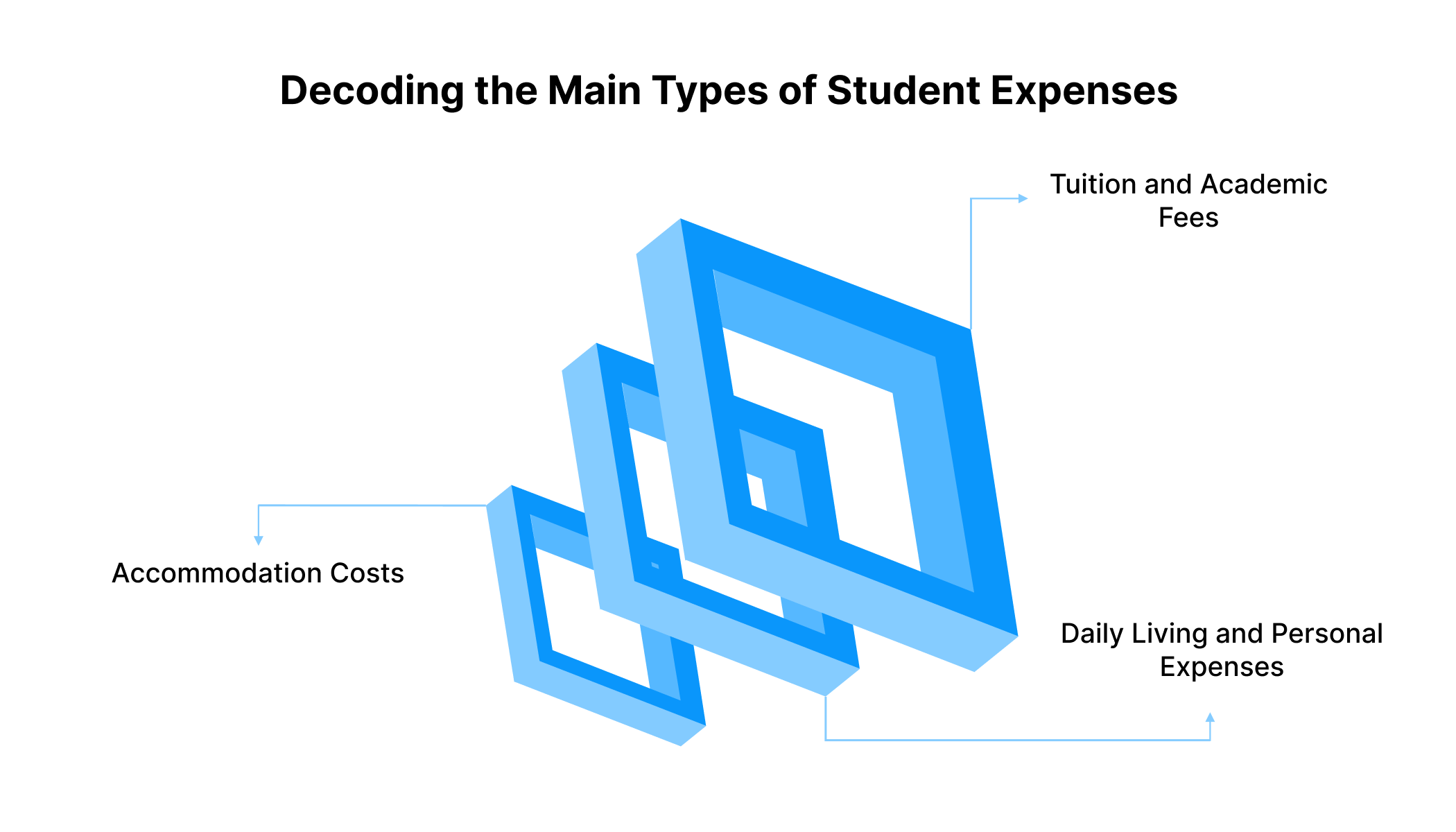
Now that we know why understanding college costs matters, let’s break down the main expense categories every student will encounter. Knowing these expense types helps students and parents plan ahead and manage their budgets more effectively.
Tuition and Academic Fees
One of the largest expenses for any student is tuition fees. These can vary widely depending on whether the college is public or private, as well as the course of study.
- Public vs. Private College Fee Ranges: Public universities in India tend to have lower tuition fees compared to private institutions.
- Additional Academic Costs: Beyond tuition, students may need to pay lab fees, exam fees, and charges for course materials or library access. These costs can add up, so it's important to factor them in when calculating the total cost of education.
- Importance of Researching Fee Structures: It’s essential for students to research fee structures before enrolling, as many colleges charge additional hidden fees like hostel charges, sports fees, and specialisation fees. Understanding these will help you manage expenses better and avoid any surprises down the line.
Accommodation Costs
Accommodation is another major cost for students, particularly those studying away from home. The choice between on-campus housing, shared PGs, or private rooms can significantly impact the budget.
- Hostel or On-Campus Housing as the Most Economical Choice: On-campus hostels or university-provided housing are often the cheapest option. They typically range between ₹5,000 to ₹12,000 per month, with the cost depending on the college and its facilities. Hostels provide a great opportunity for students to live close to campus and save on transportation costs.
- Shared PG and Private Room Costs: In cities like Mumbai and Delhi, shared PG (paying guest) accommodations can range from ₹10,000 to ₹20,000 per month for a shared room. Private rooms in PGs or apartments are usually more expensive, depending on the location and amenities.
Daily Living and Personal Expenses
In addition to tuition and accommodation, students must budget for daily living expenses such as food, transportation, utilities, and study materials.
- Food (Hostel Mess vs. Self-Cooked Meals): Most students living in hostels or on-campus accommodation opt for hostel messes, where meals are typically provided for a monthly fee. However, some students prefer cooking their own meals, which can be more economical in the long run. Grocery costs for self-cooked meals can vary based on dietary preferences, but expect to spend between ₹2,000 to ₹5,000 per month.
- Transportation, Utilities, Phone, and Internet Charges: Transportation costs depend on how far a student’s accommodation is from the campus. Utility bills (electricity, water, internet) are typically shared with roommates and may range from ₹500 to ₹2,000 per month. A mobile phone and internet connection usually add another few hundred rupees.
- Study Materials, Stationery, and Personal Care: Students also need to account for study materials, such as textbooks, which can cost anywhere between ₹1,000 to ₹5,000 per semester depending on the course. Stationery and personal care items like toiletries, cosmetics, and laundry costs may add another ₹1,000 to ₹3,000 per month.
By breaking down these major expense categories, students and their families can better plan for the financial realities of college life. Proper budgeting and tracking will help students manage costs more effectively and avoid unnecessary stress.
After seeing the broad categories of costs, it’s important to know how location plays a big role in your budget.
Also Read: How to Manage Monthly Expenses Smartly in 2025
How Location Influences College Expenses
The city or town where you study can have a significant impact on the overall cost of living, from rent to transportation to food. Let’s explore how living in metro cities compares to studying in tier‑2 or smaller cities.
Living Costs in Metro Cities
Metro cities in India, such as Mumbai, Delhi, and Bangalore, come with high living costs, especially for students. While these cities offer numerous educational opportunities, the expenses can quickly add up.
- Higher Accommodation and Food Costs: In metro cities, accommodation tends to be more expensive. Eating out or buying food from outside is also pricier compared to smaller cities.
- Transport Expenses in Urban Hubs: Cities like Bangalore, Mumbai, and Delhi have flexible public transportation systems, but the costs still add up. In larger cities, transport fares can be higher due to long commuting distances and reliance on paid services like Uber or Ola.
Tier-2 and Smaller Cities: A Budget-Friendly Alternative
While metro cities are popular among students due to the availability of top institutions, tier‑2 and smaller cities offer a more budget‑friendly lifestyle, making them attractive alternatives for students looking to cut down on costs.
- Lower Rent and Day‑to‑Day Costs: Rent and general living costs are significantly lower in smaller cities. Shared PG accommodation or hostels can cost as little as ₹5,000 to ₹10,000 per month. Students in cities like Chandigarh, Jaipur, or Nagpur can expect to spend much less on daily living expenses, with monthly food and grocery bills averaging between ₹2,000 and ₹4,000.
- Potential for Part‑Time Work to Support Expenses: In smaller cities, the cost of living is lower, but there are still opportunities for part‑time work or freelance jobs to help students manage their expenses. Students in these cities can often find jobs on or near campus, which can offset living costs and help them gain experience while studying.
By choosing the right city based on your budget and lifestyle, you can manage your college expenses more effectively. Smaller cities offer a great alternative for students looking to save on accommodation and daily costs, while metro cities, though more expensive, offer unparalleled educational opportunities and career prospects.
Smart Budgeting Tips to Manage Student Expenses
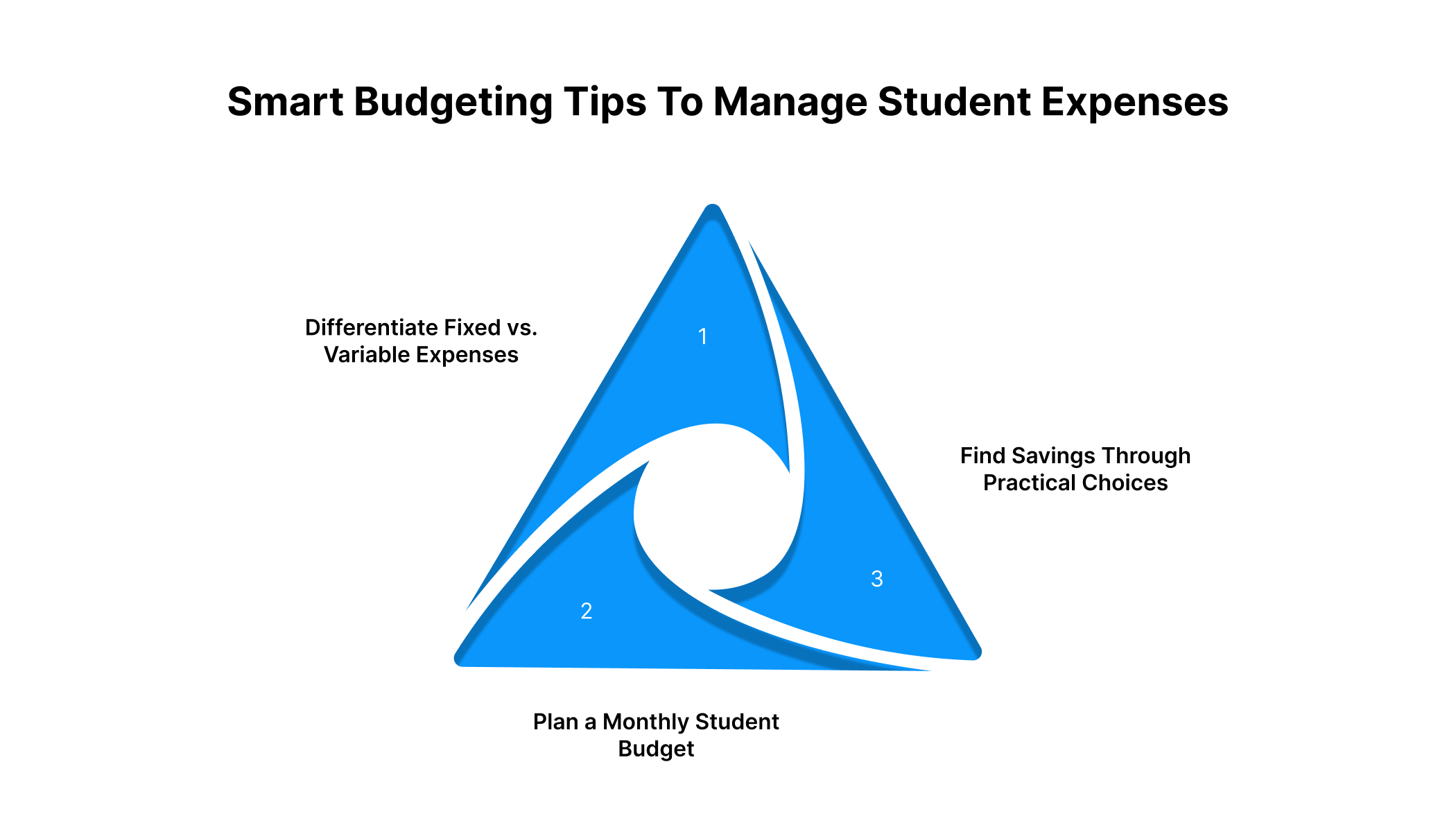
Once you understand where your money goes, you can take active steps to control your budget and save effectively. Budgeting isn’t about limiting your lifestyle; it’s about making smart choices and prioritising your spending. Here are some practical tips to help you manage your finances as a student.
1. Differentiate Fixed vs. Variable Expenses
One of the first steps in budgeting is understanding the difference between fixed and variable expenses. This distinction will help you identify areas where you can make adjustments.
- Fixed Expenses: These are regular, predictable costs that stay the same each month. Examples include tuition fees, hostel fees, and mobile plans. While fixed expenses can’t be easily adjusted, it's important to keep track of them to ensure they’re within your budget.
- Variable Expenses: These are costs that fluctuate based on your choices and lifestyle, such as food, outings, and travel. Variable expenses are where you have more flexibility, allowing you to adjust your spending when necessary. By controlling your variable costs, you can make a significant impact on your overall cash flow.
2. Plan a Monthly Student Budget
A budget is your financial roadmap. Planning a realistic budget helps ensure you stay within your means and allocate enough money to save for emergencies or future goals.
- Create an Estimated Budget Based on Realistic Cost Ranges: Start by listing all your fixed and variable expenses for the month. Look at your income and make sure your spending doesn’t exceed it. Be realistic about your daily needs and lifestyle choices. For instance, don’t underestimate how much you’ll spend on food or social activities.
- Use Budgeting Tools (Apps or Simple Spreadsheets): Technology can make budgeting much easier. Use apps like Mint or YNAB to track your spending automatically, or stick to a simple spreadsheet if you prefer to have more control. These tools will help you monitor your expenses regularly and adjust your budget as needed.
Even with careful budgeting, students may still face short-term cash gaps due to unexpected expenses. In such situations, a responsible short-term loan can help without disrupting your long-term financial plans. Explore Pocketly’s flexible student-friendly loan options to manage urgent expenses when needed.
3. Find Savings Through Practical Choices
There are many ways to cut down on everyday costs without compromising your lifestyle. Here are some practical ways to save:
- Cook Meals Instead of Dining Out: Eating out regularly can drain your budget. Instead, cook meals at home or with friends. Cooking in bulk can also help reduce food waste and save money in the long run.
- Buy Second-Hand Books: Textbooks can be expensive, but you don’t need to buy them brand new. Look for second-hand books or use digital versions to save money. Many universities also have book exchange programs or online platforms where you can buy or rent books at a lower cost.
- Share Accommodation to Reduce Rent: Rent can be one of the largest expenses for students. Sharing accommodation with roommates or opting for a shared PG (paying guest) is a smart way to reduce your living costs. This also helps you manage utility bills and other shared expenses, further cutting down your overall spending.
By applying these budgeting strategies, you will have better control over your finances and reduce unnecessary stress. Once you’ve established a budget, it’s easier to save and work towards financial goals, whether that’s building an emergency fund or saving for a future investment.
Also Read: Top 10 Tips to Spend and Save Money Wisely
How Pocketly Can Support Students’ Financial Needs
Even with careful planning, students sometimes face cash gaps, especially with unexpected expenses that don’t fit into the budget. Whether it is a sudden medical emergency, urgent travel, or an unexpected academic expense, students often need quick access to funds.
Pocketly can help bridge that gap, providing fast, flexible financial support when you need it most. Here’s how:
Quick Access to Short-Term Funds
Pocketly provides short-term loans from ₹1,000 to ₹25,000 for emergency expenses, helping you cover immediate costs without hassle.
Simple and Fast Process
The entire process is online, with no collateral required. Complete a quick KYC, get instant approval, and receive funds directly into your bank account.
Transparent Costs
Pocketly’s interest rate starts at 2% per month, with a processing fee between 1% and 8% of the loan amount, ensuring clear and upfront costs.
Conclusion
Understanding the true cost of college life is key for students and families to plan their budgets effectively. By recognising major expenses like tuition fees, housing, food, transport, and study materials, students can stay in control of their finances and avoid unnecessary stress. Smart budgeting, making strategic location choices, and building an emergency fund are crucial steps towards making college life more affordable. However, unexpected expenses can still arise.
In these situations, Pocketly’s quick and transparent short-term loans provide a reliable solution, helping students stay on track with their studies and financial goals.
Download Pocketly on iOS or Android to manage unforeseen expenses with confidence.
FAQs
1. What are the main college expenses for students in India?
College expenses in India include tuition fees, accommodation, food, transport, study materials, and personal costs like mobile bills and entertainment.
2. How much does a student spend monthly in India?
On average, a student in India spends between ₹15,000 to ₹35,000 per month, depending on their location and lifestyle choices.
3. Can students work part-time to cover expenses?
Yes, many students in India take part-time jobs or freelancing gigs to support their monthly expenses while balancing their studies.
4. Are hostel accommodations cheaper than private rentals?
Yes, on-campus hostels or shared rooms are generally more budget-friendly than private PGs or studio apartments, especially in larger cities.
5. How can students save money on college expenses?
Students can save money by cooking meals instead of eating out, using public transport, sharing accommodation, and tracking their spending with a budget.