

The RBI considers a loan a Non-Performing Asset (NPA) when repayments remain overdue for more than 90 days. This moves your loan from a temporary repayment delay to a category that signals higher risk to lenders.
For many borrowers, repayment problems do not begin with a major financial crisis. A delayed salary, unexpected medical expense, temporary job loss, or business cash-flow issue can make it difficult to keep up with EMIs. If these delays continue, the consequences can extend beyond penalty charges and affect your credit score, future loan approvals, and overall financial flexibility.
Understanding when a loan becomes an NPA, what happens after classification, and the options available to borrowers can help you take action before the situation becomes more serious. In this guide, we'll explain the difference between overdue payments, defaults, and NPAs, the impact of NPA status on your finances, and the steps you can take to recover and rebuild your credit profile.
TL;DR
-
A loan becomes an NPA when repayments remain overdue for more than 90 days, usually after three consecutive missed EMI cycles, as per RBI guidelines.
-
NPA status can significantly impact your credit profile, making it harder to qualify for future loans, credit cards, and favourable interest rates.
-
Lenders may increase recovery efforts after NPA classification, including collection calls, recovery notices, restructuring discussions, and, in some cases, legal proceedings, depending on the loan type.
-
Acting early can help prevent long-term financial damage. Contacting your lender, exploring restructuring options, making partial payments, and maintaining communication often provide better outcomes than ignoring overdue accounts.
-
Financial recovery is possible after an NPA. Consistent repayments, clearing overdue balances, improving credit habits, and understanding the difference between loan settlement and full closure can help rebuild your creditworthiness over time.
When Does a Loan Become an NPA Under RBI Rules?
According to the Reserve Bank of India, a loan becomes an NPA when the borrower fails to make scheduled repayments for more than 90 days. If your EMI remains unpaid continuously for three months, the lender can mark the account as non-performing.
This classification tells the lender that the loan is no longer generating expected repayments. Once this happens, the account moves into a higher-risk category, and recovery actions may become more serious.
Understanding the Difference Between Overdue, Default, and NPA
Many borrowers use these terms interchangeably, but they do not mean the same thing.
Overdue Loan: A loan becomes overdue the moment you miss an EMI payment. Even a one-day delay counts as overdue.
Loan Default: Default usually means the borrower has failed to repay according to the loan agreement. This stage often comes after repeated missed payments.
Non-Performing Asset (NPA): An account becomes an NPA after repayments remain overdue for more than 90 days continuously.
Understanding these stages early matters because acting during the overdue phase is usually easier than dealing with a full NPA classification later.
Types of NPA
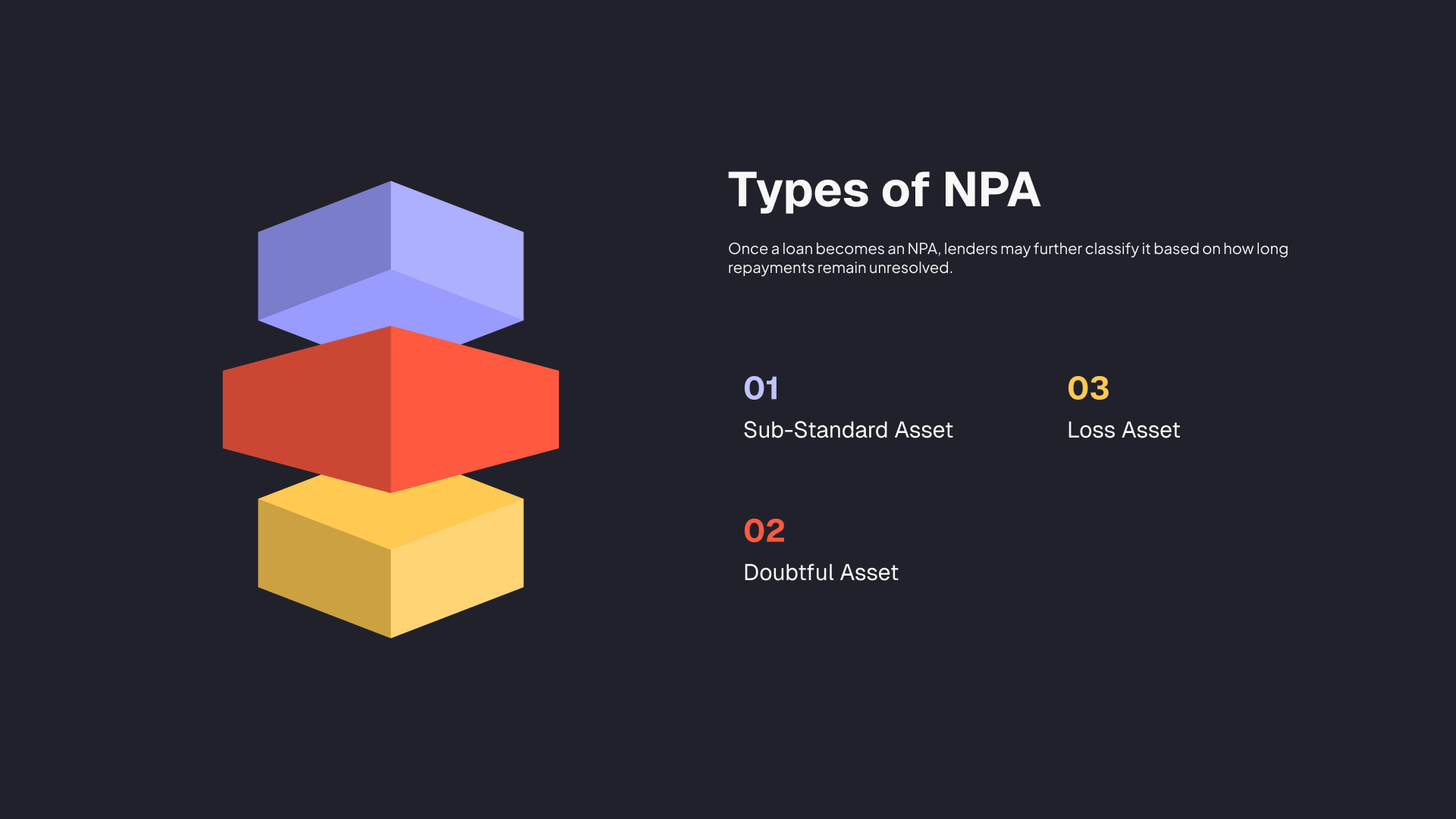
Once a loan becomes an NPA, lenders may further classify it based on how long repayments remain unresolved.
Sub-Standard Asset
This is the first stage after a loan becomes an NPA. The account has remained non-performing for up to 12 months.
At this point:
-
recovery efforts increase,
-
credit impact becomes more visible,
-
and restructuring options may still be discussed.
Doubtful Asset
If the account continues as an NPA for more than 12 months, it may move into the doubtful category.
This signals higher repayment uncertainty for the lender and can lead to stronger recovery action.
Loss Asset
A loss asset is a loan that lenders consider extremely difficult to recover. Even if some recovery is technically possible, the chances become very low.
This is usually the most severe stage of prolonged non-payment.
Also read: Understanding Meaning and Types of Non-Performing Assets (NPA)
What Happens After Your Loan Turns Into an NPA?
Once a loan is classified as an NPA, the situation usually becomes more serious for the borrower. Lenders shift their focus from regular repayment follow-ups to recovery action, credit reporting, and risk control measures.
For salaried professionals, students, or small business owners already facing financial pressure, understanding this process can help avoid panic and support better decisions.
Recovery Calls and Reminders Usually Increase
One of the first things borrowers notice after an NPA classification is increased communication from the lender.
Initially, these reminders may come from:
-
the lender’s internal collections team,
-
automated SMS and email alerts,
-
or repayment support executives.
If the overdue amount remains unpaid, the account may later be assigned to third-party recovery agencies.
Internal Collections Teams Try Early Resolution
In the early stages, lenders often try to recover payments directly. Borrowers may receive:
-
repayment reminders,
-
settlement offers,
-
requests for partial payments,
-
or restructuring discussions.
Responding early usually helps more than ignoring calls completely.
Third-Party Recovery Agencies May Get Involved
If repayments remain unresolved, some lenders may hand the account to external recovery agencies.
However, borrowers still have rights. Recovery agents cannot legally:
-
threaten borrowers,
-
use abusive language,
-
publicly shame customers,
-
or harass family members.
The Reserve Bank of India has issued guidelines on fair recovery practices, especially for personal loans and unsecured borrowing.
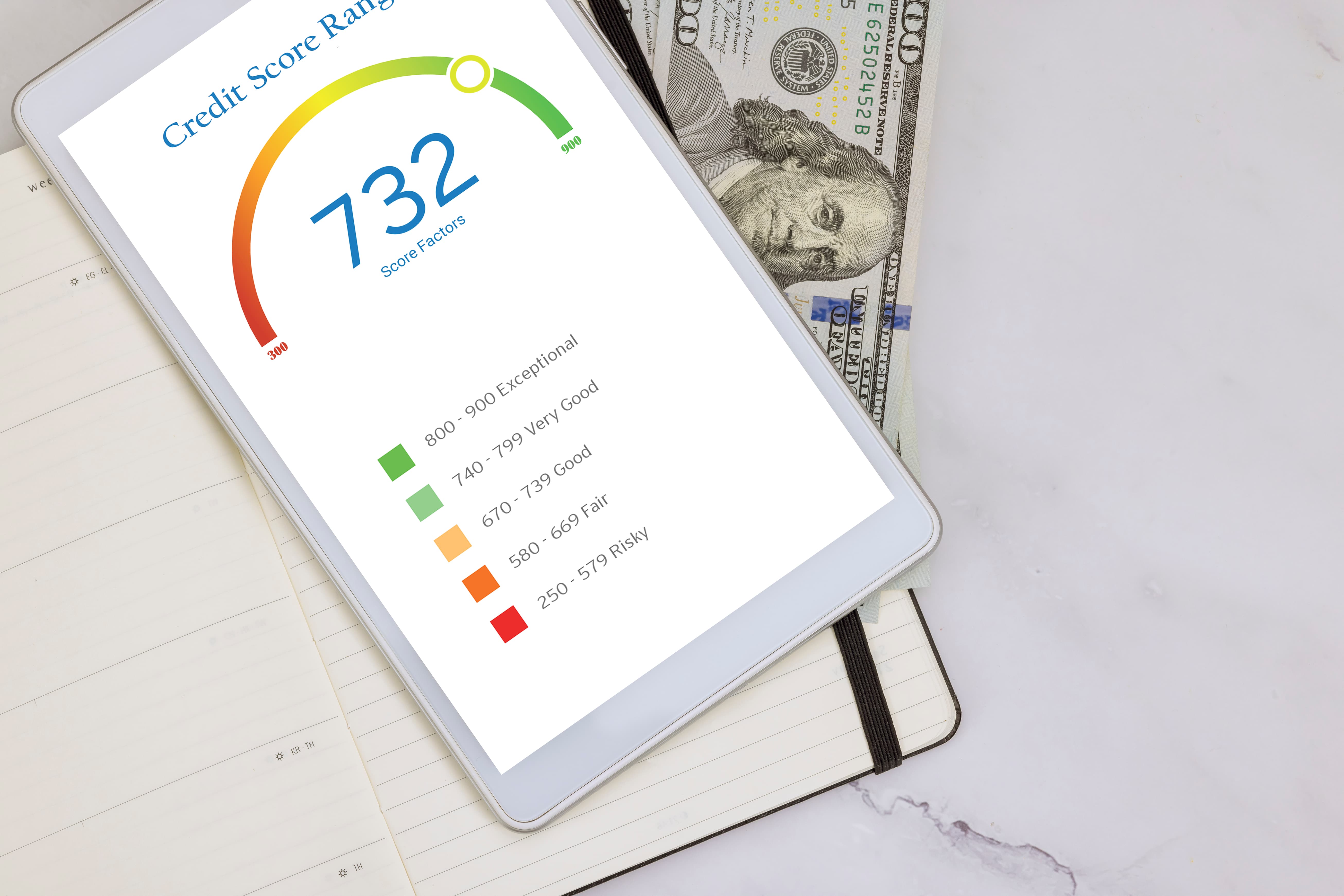
Your Credit Score Can Drop Sharply
An NPA classification is usually reported to credit bureaus such as:
-
TransUnion CIBIL
-
Experian
-
CRIF High Mark
-
Equifax
This can significantly damage your credit profile.
Future Loans Become Harder to Get
Once your account is marked as NPA:
-
Lenders may reject future loan applications
-
Approved limits may reduce
-
Borrowing costs may increase
Even if the overdue amount is small, lenders often view NPA history as a sign of repayment risk.
Credit Card Approvals May Also Get Affected
Many borrowers assume NPA status only impacts loans. In reality, credit card approvals and limit upgrades can also become difficult.
For instance, a young professional who missed repayments during a medical emergency may later struggle to qualify for a new credit card despite stable income recovery.
Penalty Interest and Additional Charges Continue to Build
A common misconception is that repayments stop growing after the account becomes an NPA. In most cases, that is not true.
Depending on the loan agreement, penalty charges, overdue interest, collection costs, and legal expenses may continue adding to the total outstanding amount.
The Longer the Delay, the Larger the Outstanding
For borrowers already struggling financially, this can create a compounding effect. A small entrepreneur who delays repayments during a slow business season may find that the total payable amount grows steadily over several months because of additional charges and accumulated interest.
That is why early communication with the lender matters more than waiting for the situation to improve automatically.
Legal Notices May Follow in Some Cases
If repayments remain unresolved for a long period, lenders may start formal recovery proceedings. The exact action depends on loan size, lender policy, repayment history, and whether the loan is secured or unsecured.
Secured and Unsecured Loans Are Treated Differently
For secured loans, lenders may have rights over pledged assets such as:
-
Property
-
Vehicles
-
Business collateral
In some cases, lenders may proceed under laws like the SARFAESI Act for secured asset recovery.
For unsecured loans, such as many personal loans or small-ticket digital loans, lenders typically focus more on:
-
Collections
-
Settlement
-
Legal notices
-
Civil recovery processes.
DRT Proceedings Usually Apply to Larger Recovery Cases
In higher-value disputes, lenders may approach Debt Recovery Tribunals (DRTs). However, this is more common in larger loan defaults rather than smaller consumer borrowing cases.
Most borrowers dealing with short-term liquidity issues first encounter collections, restructuring discussions, and settlement negotiations before formal legal escalation.
Recovery Negotiations May Begin
After an account becomes an NPA, lenders may discuss alternative repayment arrangements depending on the borrower’s situation.
Loan Restructuring May Be Offered
Restructuring means modifying repayment terms to make the loan easier to manage.
This can include:
-
Revised EMI schedules
-
Extended repayment tenure
-
Temporary relief arrangements
-
Partial repayment plans
This option is sometimes considered for borrowers facing temporary financial hardship rather than permanent repayment failure.
What You Should Do Immediately After Missing Multiple EMIs
Missing multiple EMIs can feel overwhelming, but early action significantly improves your financial outcome. The biggest mistake is waiting too long before responding.
Contact the Lender Immediately
Once repayments may be delayed for more than one cycle, contact the lender instead of avoiding communication. Lenders are more willing to discuss solutions when borrowers respond early, explain their situation clearly, and show intent to repay. Even partial payments or revised timelines can help reduce escalation.
Ask About Restructuring Options
If your problem is temporary, restructuring may make repayments manageable. This can include revised EMI amounts, extended tenure, temporary payment relief, or adjusted schedules. Before accepting, ask how it affects your credit report, whether additional charges apply, and how it will be reported.
Keep Written Records
Don't rely solely on phone conversations. Document all emails, SMS updates, repayment receipts, settlement letters, and agreements. Request written confirmation of any verbal promises before making payments. This protects both parties.
Avoid Borrowing to Repay Debt
Taking multiple loans to cover existing EMIs creates a cycle of higher interest, multiple due dates, rising penalties, and loss of control. Instead, review your total obligations, prioritise urgent dues, and discuss restructuring with existing lenders.
Prioritise Essential Payments
Focus first on rent, utility bills, critical EMIs, insurance, and education costs. Create a simple priority list to prevent panic and reduce missed obligations across accounts.
Understand Settlement Consequences
Settlements may appear attractive but carry long-term costs, affecting future loan approvals, credit card eligibility, borrowing limits, and interest rates. Before agreeing, get the total amount in writing, confirm how your account will be reported to credit bureaus, and explore whether restructuring is still possible.
Also read: Consequences of Personal Loan EMI Bounce
Can You Recover Financially After an NPA?
An NPA can damage your credit profile, but it does not mean your financial future is permanently over. Many borrowers in India recover gradually after repayment issues.
The recovery process usually takes time, consistency, and better financial discipline. The earlier you start rebuilding, the easier it becomes to improve your borrowing profile again.
Start by Improving Repayment Discipline
The first step after an NPA is rebuilding repayment consistency. Lenders and credit bureaus look closely at your recent repayment behaviour, not just past defaults.
This means borrowers should focus on:
-
paying current dues on time,
-
avoiding fresh missed EMIs,
-
reducing outstanding balances gradually,
-
and sticking to realistic repayment plans.
Even small repayment improvements matter when maintained consistently.
Rebuilding Your CIBIL Score Takes Time
Once a loan becomes an NPA, the impact is usually reflected in your credit report through agencies such as TransUnion CIBIL.
There is no instant fix for a damaged credit score. Recovery happens gradually based on future repayment behaviour.
Steps That Can Help Rebuild Credit
Borrowers can improve their credit profile over time by:
-
paying EMIs before due dates,
-
avoiding repeated hard loan enquiries,
-
maintaining lower credit utilisation,
-
clearing overdue accounts wherever possible,
-
and monitoring credit reports regularly for errors.
For younger borrowers, even one year of disciplined repayment behaviour can begin improving lender confidence.
Understand the Difference Between “Settled” and “Closed”
Many borrowers assume settlement and full loan closure are the same thing. They are not.
Closed Loan
A “closed” status usually means the borrower has repaid the loan completely according to agreed terms. This is generally viewed more positively by future lenders.
Settled Loan
A “settled” status means the lender accepted a reduced amount instead of full repayment.
While settlement may reduce immediate financial pressure, it can also signal repayment risk to future lenders.
Also read: Understanding the Process of Loan Foreclosure: Facts and Differences
Build Safer Borrowing Habits After Financial Stress
Borrowers recovering from an NPA should focus on preventing the same repayment cycle from repeating.
Some practical habits include:
-
borrowing only what is realistically repayable,
-
keeping emergency savings where possible,
-
tracking monthly obligations carefully,
-
avoiding multiple simultaneous loans,
-
and reviewing repayment capacity before accepting new credit.
In some situations, smaller and structured short-term borrowing may help manage temporary liquidity gaps before they become long-term repayment problems. But future borrowing should always support financial stability rather than extend existing stress.
How Pocketly Can Help During Short-Term Cash Gaps
Temporary financial setbacks can happen to anyone. A delayed salary, urgent medical bill, pending rent payment, or unexpected business expense can quickly disrupt repayment schedules if there is no short-term liquidity available.
For borrowers trying to avoid deeper repayment stress, early financial planning and controlled borrowing are often more manageable than waiting until multiple EMIs are missed.
Pocketly is a digital lending platform working with RBI-registered NBFCs, designed to help young Indians manage short-term cash requirements through smaller-ticket unsecured loans.
Depending on eligibility and profile visibility, borrowers may be able to access:
-
Loan amounts ranging from ₹1,000 to ₹25,000
-
Interest starting from 2% per month
-
Collateral-free borrowing
The process is fully digital and designed for faster access during urgent situations.
Getting started typically involves a few simple steps:
-
Complete quick digital KYC verification
-
Select the preferred loan amount
-
Receive approval and fund disbursal based on eligibility
Processing fee ranging from 1% to 8%, depending on eligibility and loan terms
Conclusion
An NPA isn't the end of your financial story. Recovery is possible with consistent repayment and better planning. The key is acting early instead of waiting for the problem to worsen.
The good news? Many borrowers successfully rebuild their credit profiles after repayment difficulties by maintaining consistent repayment behaviour and stronger financial discipline.
Don't let financial uncertainty control your next move. If a short-term cash gap is keeping you from staying on top of your EMIs, get ahead of the problem today.
Download Pocketly and access quick, digital loans from RBI-registered NBFCs when you need them most, so one missed payment doesn't turn into a financial crisis.
FAQs
1. How many missed EMIs turn a loan into an NPA?
In most cases, a loan becomes a Non-Performing Asset (NPA) when repayments remain overdue for more than 90 days continuously. This usually means missing EMIs for around three months, depending on the lender’s billing cycle and reporting process.
However, recovery calls, penalties, and credit score impact may begin even before the account officially becomes an NPA.
2. Does an NPA permanently affect your CIBIL score?
No, an NPA does not permanently damage your credit score forever, but the impact can last for several years. Once an account is marked as NPA, it is usually reported to credit bureaus like TransUnion CIBIL, which can reduce your creditworthiness.
Improving repayment discipline, clearing dues, and maintaining responsible borrowing habits over time may gradually help rebuild your credit profile.
3. Can banks take legal action after an NPA?
Yes, lenders may take legal or recovery action if repayments remain unresolved for a long time. The type of action depends on factors such as:
-
loan amount,
-
repayment history,
-
and whether the loan is secured or unsecured.
For secured loans, lenders may initiate recovery proceedings related to pledged assets. For unsecured personal loans, recovery usually starts with collections, notices, and settlement discussions before legal escalation.
4. What is the difference between loan settlement and loan closure?
Loan closure means the borrower has repaid the full loan amount according to the agreed terms. A closed account is generally viewed positively in your credit history.
Loan settlement happens when the lender accepts a reduced amount instead of full repayment. While settlement may reduce immediate financial pressure, it can negatively affect future borrowing ability because the account may be marked as “settled” instead of “closed”.
5. Can you get another loan after an NPA?
Yes, it is still possible to get another loan after an NPA, but approvals may become more difficult. Lenders often review:
-
current income stability,
-
repayment behaviour after the default,
-
outstanding debt,
-
and updated credit score.
Some borrowers may initially qualify only for smaller loan amounts or stricter repayment terms while rebuilding their credit profile.
6. Can recovery agents visit your home after a loan becomes NPA?
In some cases, recovery representatives may visit borrowers to discuss repayment. However, recovery agents must follow fair practice guidelines issued by the Reserve Bank of India.
They cannot legally:
-
threaten borrowers,
-
use abusive behaviour,
-
publicly shame customers,
-
or harass family members.
Borrowers should always ask for proper identification and keep records of all recovery-related communication.