

India’s digital lending market has grown rapidly in recent years as more borrowers look for quick access to short-term credit. According to data from the Fintech Association for Consumer Empowerment (FACE), an RBI-recognised self-regulatory organisation, digital NBFCs sanctioned 9.9 crore personal loans worth ₹1.53 lakh crore in the first three quarters of FY25-26 alone.
For borrowers already managing an existing loan, a loan top-up can be one way to handle urgent expenses without applying for a completely new loan. Understanding how loan top-ups work, their costs, eligibility, and repayment impact can help you make a more informed borrowing decision.
Key Takeaways
-
A loan top-up lets existing borrowers access additional funds on an active loan without applying for a completely new loan.
-
Lenders usually check repayment history, income stability, and credit score before approving a top-up loan.
-
A top-up may increase your EMI, extend your repayment tenure, or increase the total interest paid over time.
-
Borrowers should carefully review processing fees, revised tenure, and monthly repayment impact before accepting the offer.
-
Digital lending platforms can help manage smaller short-term expenses with faster online application and KYC processes.
What Is a Loan Top Up?
If you are already repaying a loan and suddenly face another expense, a loan top-up can help you access extra funds without applying for a completely new loan. In India, lenders usually offer top-up loans to existing borrowers with a steady repayment record.
A loan top-up is an additional amount added to your current loan. Unlike a fresh personal loan, the process is often quicker because the lender already has your KYC and repayment history. This makes it useful for short-term expenses like medical bills, rent gaps, repair costs, or small business payments.
When Does a Loan Top-Up Make Sense?
A loan top-up usually makes sense when you are dealing with a short-term financial gap, but do not want the hassle of applying for multiple new loans. Since the lender already knows your repayment history, the process may be faster and involve less paperwork.
During Emergency Medical Expenses
Unexpected medical costs can disrupt monthly budgets quickly. A loan top-up may help cover hospital bills, medicines, or urgent treatment without dipping into long-term savings.
To Manage Temporary Rent or Monthly Cash Gaps
Month-end shortages are common, especially in metro cities where rent and utility costs are high. A top-up loan can help bridge temporary gaps caused by delayed salary credits or sudden expenses, especially when the borrower already has an active repayment history with the lender.
For Repairs or Essential Purchases
Laptop repairs, vehicle servicing, or home appliance breakdowns can create immediate pressure. Instead of starting a fresh loan application, borrowers may prefer a smaller top-up on an active loan.
To Handle Insurance Premiums or Small Business Expenses
Self-employed individuals and small business owners may use a top-up loan for supplier payments, inventory restocking, or insurance renewals during low-cash-flow periods.
Who Can Get a Loan Top-Up?
Not every borrower automatically qualifies for a loan top-up. Lenders usually check whether you can comfortably manage additional borrowing before approving the request.
You Must Already Have an Active Loan
A top-up loan is generally available only to existing customers with an ongoing personal loan or home loan. If your current loan is already closed, you may need to apply for a fresh loan instead.
Your Repayment History Matters
Lenders closely review your EMI track record before approving extra funds. Paying EMIs on time improves your chances, while missed or delayed payments may lead to rejection.
In most cases, borrowers are expected to complete a minimum number of EMI payments before becoming eligible for a top-up.
Stable Income Improves Eligibility
Whether you are salaried or self-employed, lenders want to see steady income and repayment capacity. Frequent job changes, irregular income, or existing debt pressure may affect approval.
Credit Score and Existing Lender Relationship Also Matter
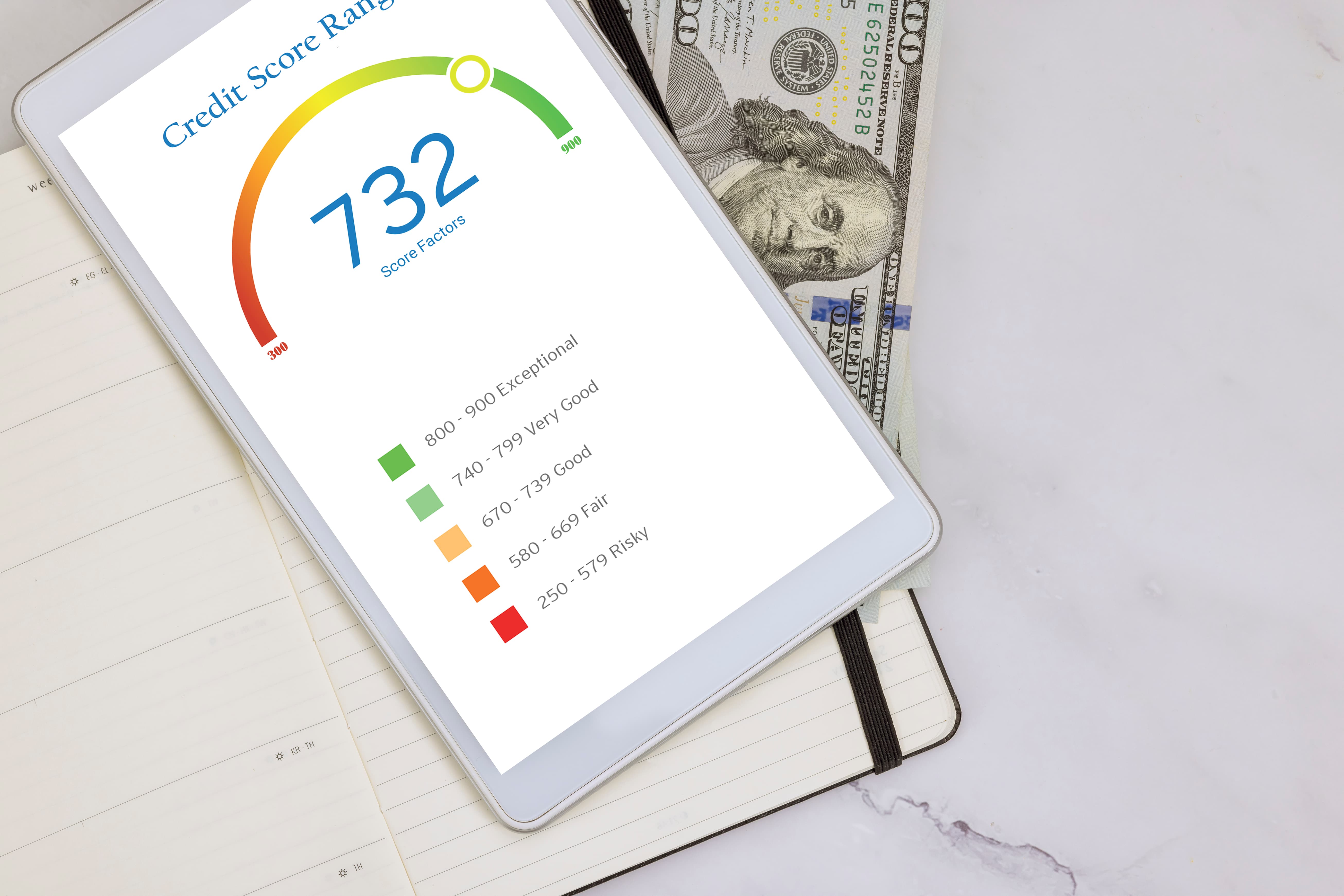
A healthy credit score usually supports approval because it signals responsible borrowing behaviour. Lenders may also prioritise borrowers who already have a positive relationship with them.
Documents Usually Required for a Loan Top-Up
One reason many borrowers prefer a loan top-up is the simpler documentation process. Since the lender already has your existing loan records, the verification process may be quicker than applying for a completely new loan.
Identity and Address Proof
Most lenders ask for basic KYC documents such as:
-
PAN card
-
Aadhaar card
-
Mobile number linked to Aadhaar
These documents help verify your identity and address during the approval process.
Income Proof and Bank Statements
Lenders usually review your recent financial activity before approving additional funds. Salaried professionals may need:
-
recent salary slips
-
bank statements showing salary credits
Self-employed borrowers may be asked for income proof or business-related bank statements instead.
Existing Loan Details
Your current loan statement helps the lender review:
-
repayment history
-
pending balance
-
EMI track record
-
overall loan performance
A strong repayment pattern may improve approval chances.
Digital KYC Makes the Process Faster
Many lenders now use digital KYC and online verification flows. This can reduce paperwork and speed up approvals, especially for borrowers already using digital lending platforms.
Also read: Documents Required for Personal Loan Application
How the Loan Top-Up Process Works Step by Step
Since the lender already has your existing loan details, approvals may involve fewer checks and less paperwork.
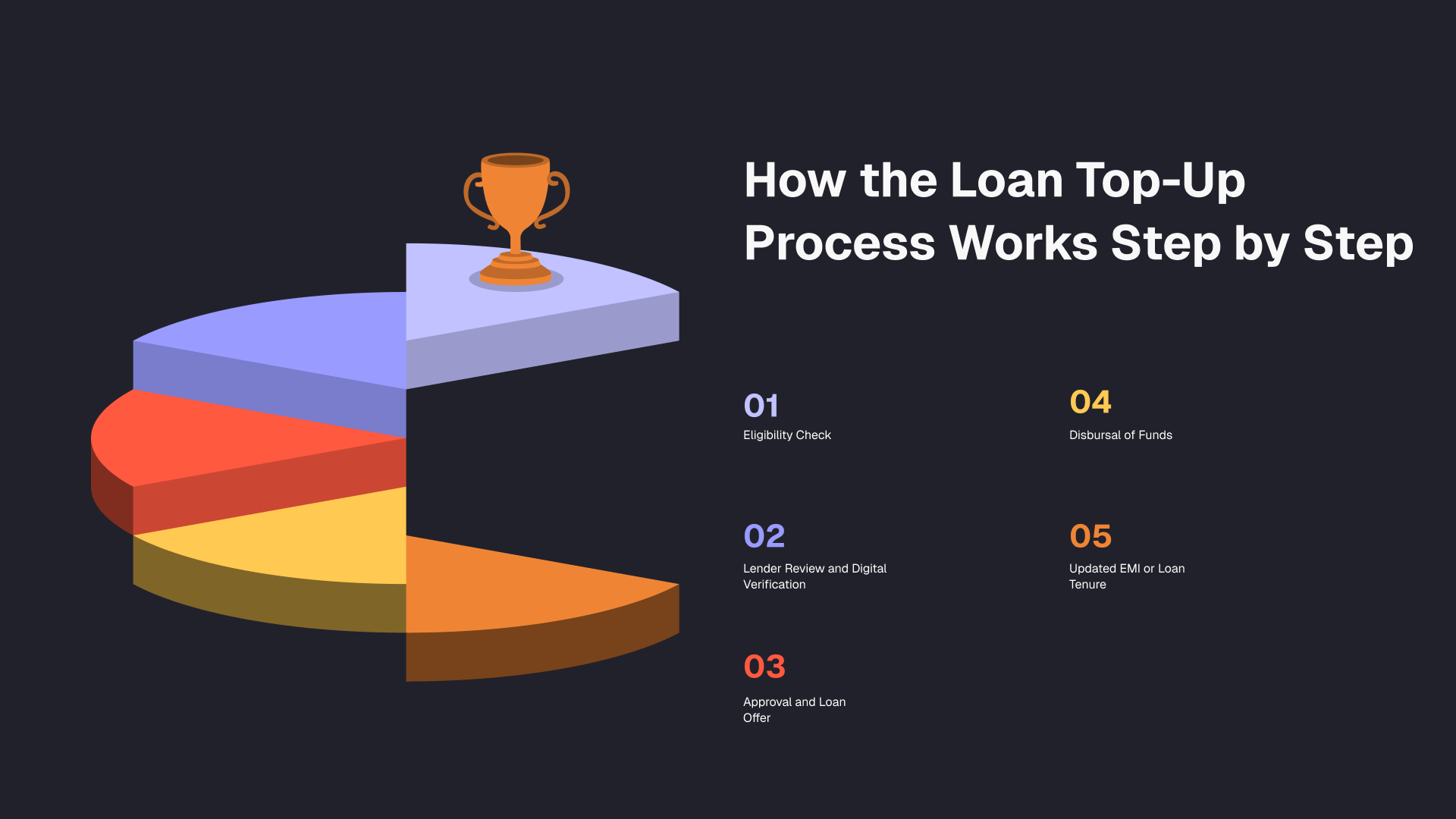
Step 1: Eligibility Check
The lender first checks whether you qualify for a top-up loan. This usually includes reviewing:
-
Your active loan status
-
EMI repayment history
-
Income stability
-
Credit profile
Borrowers with consistent repayments generally have better approval chances.
Step 2: Lender Review and Digital Verification
Once you apply, the lender reviews your documents and existing loan performance. Some lenders may ask for updated bank statements, salary slips, or income proof.
Many lenders now use digital KYC and online verification to speed up the process.
Step 3: Approval and Loan Offer
If approved, the lender shares:
-
eligible top-up amount
-
revised EMI
-
updated repayment tenure
-
applicable charges and interest details
It is important to review the revised repayment structure carefully before accepting the offer.
Step 4: Disbursal of Funds
After approval, the amount is usually transferred directly to your bank account. Digital-first lenders may process smaller-ticket requirements faster than traditional offline routes.
Step 5: Updated EMI or Loan Tenure
After the top-up is added, your EMI may increase, your repayment period may extend, or both. This depends on the lender’s structure and the amount borrowed.
How a Loan Top-Up Affects Your EMI and Total Repayment
Before taking a loan top-up, it is important to understand how it changes your monthly repayment and overall borrowing cost. While the extra funds may solve an immediate financial problem, they can also increase your long-term repayment burden.
Your EMI May Increase
In many cases, adding a top-up amount increases your monthly EMI because the lender is extending additional credit on your existing loan.
Some Lenders May Extend the Loan Tenure Instead
Instead of sharply increasing the EMI, some lenders may extend the repayment period. This can make monthly payments feel more manageable in the short term. However, a longer tenure usually means paying interest for a longer duration.
Lower EMI Does Not Always Mean Lower Cost
A smaller EMI may seem easier on your monthly budget, but extending repayment often increases the total amount paid over time. Many borrowers focus only on the EMI and ignore the overall repayment cost. This is why reviewing the revised loan schedule carefully is important before accepting a top-up offer.
Prepayment Rules Also Matter
Some lenders allow part-prepayment or early closure, while others may apply charges or restrictions. Checking these terms in advance can help you avoid unexpected costs later.
Also read: Understanding Different Modes of Loan Repayment
Mistakes to Avoid Before Accepting a Loan Top-Up
A loan top-up can help during a financial emergency, but accepting additional borrowing without reviewing the terms carefully may create repayment pressure later. Understanding the common mistakes can help you borrow more responsibly.
Ignoring Processing Charges and Other Costs
Top-up loans may include:
-
processing fees
-
documentation charges
-
foreclosure conditions
-
late payment penalties
Ignoring these charges can make the loan more expensive than expected.
Borrowing More Than the Actual Requirement
Taking a larger amount than needed may create unnecessary repayment stress later. A top-up loan works best for short-term, essential expenses rather than avoidable spending.
Not Checking the Revised Loan Tenure
Some borrowers focus only on getting quick funds and overlook the updated repayment timeline. In many cases, lenders may extend the loan tenure after adding the top-up amount. A longer tenure can reduce immediate EMI pressure but may increase the total repayment cost over time.
Overlooking the Impact on Monthly Repayment
Even if the lender offers a manageable EMI, the revised repayment structure should still fit comfortably within your monthly budget. Missing this step can increase the risk of future defaults.
Taking Multiple Loans at the Same Time
Some borrowers use top-up loans alongside other credit products, creating overlapping EMIs and repayment pressure. Managing too many active loans at once can affect both cash flow and credit score.
Managing Smaller Financial Emergencies with Pocketly
Not every financial emergency requires a large long-term loan. Sometimes, borrowers may only need a smaller amount to handle temporary expenses like medical bills, rent gaps, utility payments, or urgent repairs.
Pocketly is a digital lending platform working with RBI-registered NBFCs, designed for students, salaried professionals, and small entrepreneurs looking for quick short-term financial support.
-
Loan range from ₹1,000 to ₹25,000
-
Interest starting from 2% per month
-
Processing fee between 1% and 8%
-
No collateral required
-
Fast digital application process
-
Quick digital KYC flow
Eligibility and visible loan limits may vary depending on the borrower profile.
How the Process Works
-
Download the app or visit the website
-
Complete digital KYC
-
Select the required loan amount
-
Receive approval and funds in the linked account
Need help handling a temporary cash gap? Download the Pocketly app to check your eligibility, complete digital KYC, and apply for short-term loans directly from your phone.
FAQs
1: What is a loan top-up?
A loan top-up is an additional amount borrowed on top of your existing loan. It is usually offered to existing borrowers with a good repayment history and may involve less paperwork than applying for a fresh loan.
2: How many EMIs should I pay before applying for a top-up loan?
The requirement varies by lender, but many lenders expect borrowers to complete at least 6 to 12 EMI payments before becoming eligible for a top-up loan.
3: Does a loan top-up increase my EMI?
Yes, in many cases, a top-up loan increases the monthly EMI. Some lenders may also extend the repayment tenure instead of sharply increasing the EMI amount.
4: Can I get a loan top-up with a low credit score?
It may be difficult because lenders usually prefer borrowers with a stable repayment history and healthy credit profile. However, eligibility depends on the lender’s internal policies and your overall repayment capacity.
5: Is a top-up loan cheaper than a new personal loan?
In some cases, yes. Since the lender already has your loan history and documents, top-up loans may come with lower processing effort and competitive interest rates compared to a completely new personal loan.
6: Can I use a loan top-up for medical or emergency expenses?
Yes, borrowers commonly use top-up loans for emergency medical bills, temporary cash shortages, urgent repairs, rent gaps, or other short-term financial needs.