

Managing expenses can often feel like chasing shadows. Without a clear system, receipts are lost, approvals are delayed, and spending quickly spirals out of control. Before you know it, your budget is stretched thin, and you’re left struggling to make sense of where the money went. The lack of structure creates confusion, wasted time, and unnecessary costs.
But there’s a solution. With the right strategies in place, expense management can go from chaotic to seamless. By implementing the best practices for tracking, approving, and optimising spending, you can regain control and make smarter financial decisions.
In this blog, we’ll explore the key practices that will help you streamline expense management, cut unnecessary costs, and improve transparency across your organisation, putting you back in charge of your budget.
Key Takeaways
- Effective expense management helps businesses improve financial control, reduce waste, and ensure compliance with company policies.
- Standardising expense policies ensures consistency across teams, reduces disputes, and makes the approval process faster.
- Automating expense tracking and approval workflows can reduce manual errors, speed up processes, and increase visibility into spending.
- Regular audits and monitoring help detect fraud, ensure compliance, and refine policies to keep financial processes in check.
- Measuring success with key metrics like policy compliance rates, automation levels, and cost savings ensures your expense management system is working effectively.
What Is Expense Management and Why Does It Matter?
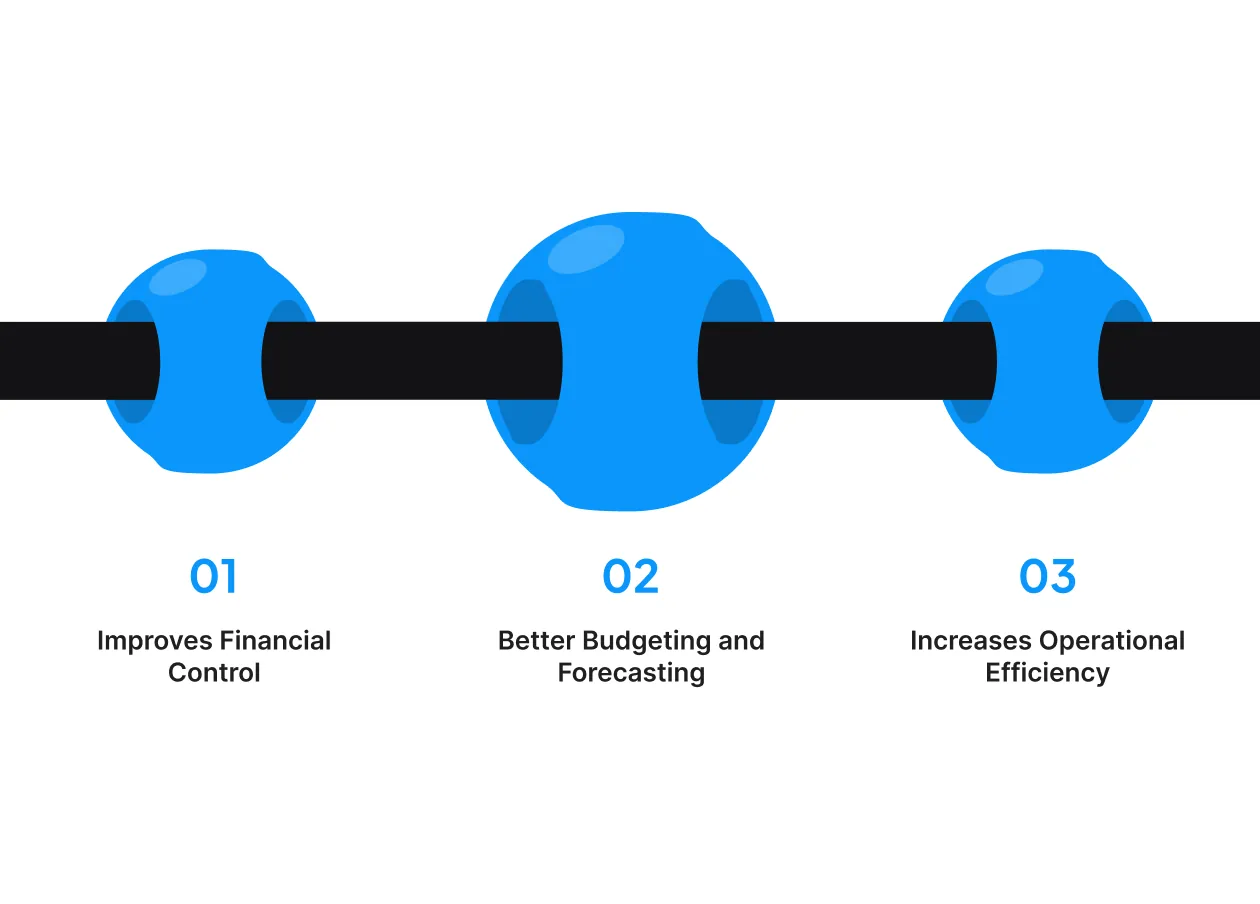
Expense management is the process of monitoring, controlling, and optimising business expenditures. With the right system in place, businesses can effectively track all spending, from everyday operational costs to larger project expenses, ensuring every dollar is used wisely.
By consolidating all spending data into one accessible system, expense management tools provide real-time visibility into where money is going. These tools help businesses set budgets, approve expenditures, and streamline reimbursements.
The goal is not only to keep costs under control but also to make sure that money is being spent strategically to support the company's objectives.
Why Expense Management Matters for Businesses
Effective expense management is crucial for businesses of all sizes. Here’s why it’s essential:
- Improves Financial Control: With a clear view of all expenses, businesses can avoid overspending and identify areas where they can cut costs or reallocate resources.
- Better Budgeting and Forecasting: Knowing exactly how much is being spent, and on what, helps businesses create more accurate budgets and forecast future spending, reducing financial uncertainty.
- Increases Operational Efficiency: By automating processes like approval workflows and expense tracking, businesses save time, reduce errors, and increase overall operational efficiency.
Good expense management not only ensures businesses stay within budget but also helps optimise spending for long-term growth and success.
Let’s dive into the best practices that can take your expense management system to the next level.
Core Components of an Effective Expense Management System
An effective expense management system helps businesses maintain financial control, streamline operations, and ensure compliance. Below are the key components that contribute to a well-structured expense management system:
1. Clear and Transparent Expense Policies
Establishing clear, easy-to-understand expense policies is essential for consistency across the organisation. These policies should define what qualifies as an acceptable expense, set spending limits, and outline the approval process for each category of expenses.
Regular communication and training on these policies ensure employees understand their responsibilities, reducing ambiguity and ensuring compliance.
2. Real-Time Expense Tracking
To improve accuracy and prevent delays, a real-time tracking system is crucial. This component allows employees to capture receipts and submit expenses immediately after a purchase or activity.
Using mobile apps and cloud-based solutions ensures that expenses are logged quickly and correctly, allowing managers to track spending in real-time and avoid the chaos of backlog reports.
3. Automated Approval Workflows
Automating the approval process reduces manual effort, streamlines operations, and speeds up expense reimbursements. By implementing approval workflows, businesses can ensure that expenses are reviewed by the appropriate personnel without unnecessary delays.
Set predefined rules, such as approval hierarchies and spending limits, to facilitate faster, more consistent decision-making.
4. Comprehensive Data and Reporting Tools
Real-time visibility into spending is essential for identifying trends, tracking budget adherence, and making informed decisions. A good expense management system offers powerful reporting tools that provide actionable insights.
Customisable dashboards allow managers to view expenses by department, category, or employee, giving them a complete overview of the organisation's financial health.
5. Regular Audits and Compliance Checks
To prevent fraud and ensure adherence to policies, businesses should implement a system for ongoing audits and compliance checks. Automated tools can flag expenses that don't align with the set guidelines, while regular audits can help spot any inconsistencies.
This component ensures that all expenses are legitimate, well-documented, and within the company's approved policies.
By integrating these components, organisations can establish a more efficient and secure process for managing expenses, improving financial control, and reducing unnecessary costs.
Also Read: Understanding the Process And Meaning of Credit Control
Top 7 Expense Management Best Practices
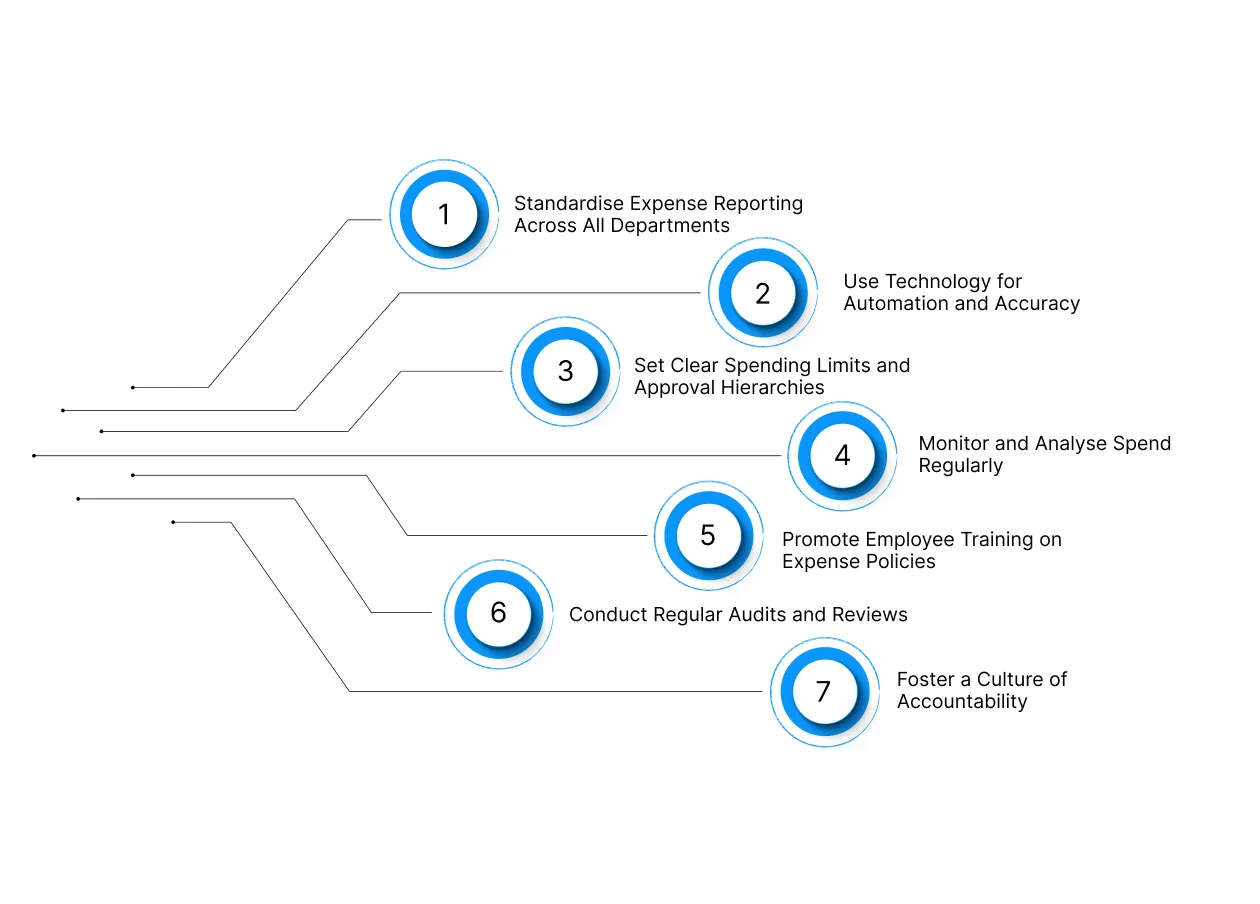
To ensure effective control over company spending and achieve financial goals, businesses should adopt best practices that promote transparency, efficiency, and compliance. Here are some proven best practices for managing expenses effectively:
1. Standardise Expense Reporting Across All Departments
Standardising expense reporting ensures consistency across departments, reducing confusion and improving efficiency. By applying the same process for submitting and approving expenses, businesses can prevent discrepancies and streamline the approval cycle.
For instance, if the finance department uses a specific tool for expense submissions, other departments should adopt the same method to ensure uniformity. This consistency speeds up approvals and improves overall control over spending.
2. Use Technology for Automation and Accuracy
Using automated expense management software reduces errors and enhances accuracy by streamlining data entry, approval workflows, and tracking. Real-time expense tracking ensures that all costs are accounted for and approved promptly.
For example, mobile apps that capture receipts and integrate with accounting systems minimise manual work and ensure data accuracy. Automation saves time and improves financial precision by reducing human errors.
3. Set Clear Spending Limits and Approval Hierarchies
Defining clear spending limits and approval hierarchies helps control expenses and ensures proper oversight. By establishing spending thresholds for different categories, businesses can prevent unapproved expenses and maintain budget control.
For example, office supplies could have a ₹5,000 limit, requiring manager approval for amounts above this. Larger expenses, such as travel, would need executive approval, ensuring higher spending receives proper scrutiny.
4. Monitor and Analyse Spend Regularly
Regular monitoring and analysis of expenses help identify trends, inefficiencies, and potential cost-saving opportunities. By reviewing spending frequently, businesses can make adjustments before costs exceed budget limits.
For instance, if a department consistently exceeds its office supply budget, the business can investigate alternative suppliers or adjust processes to reduce costs. Frequent analysis ensures proactive management of expenses.
5. Promote Employee Training on Expense Policies
Training employees on expense policies improves compliance and efficiency. When employees understand what qualifies as an approved expense and the correct reporting procedure, the process runs more smoothly.
For example, employees should know what travel expenses are reimbursable and the necessary documentation required. Regular training ensures everyone is on the same page and avoids costly errors.
6. Conduct Regular Audits and Reviews
Regular audits help businesses identify discrepancies, ensure policy compliance, and prevent fraud. They also provide insights into spending patterns, allowing businesses to address inefficiencies before they escalate.
For example, quarterly audits of expense reports can help identify unusual spending, such as excessive travel costs, and ensure they align with company policies. Regular reviews keep expenses under control.
7. Foster a Culture of Accountability
Encouraging accountability ensures employees take ownership of their spending and adhere to policies. A transparent culture helps improve trust, reduce unnecessary spending, and streamline expense reporting.
For example, managers who regularly review expense reports and set clear expectations foster responsibility among employees. A culture of accountability keeps expenses in check and strengthens financial discipline across the organisation.
Also Read: Minimum Credit Score Required For Personal Loan
Common Mistakes in Expense Management and How to Avoid Them
Despite having best practices in place, many businesses still fall into common traps that hinder effective expense management. Recognising and addressing these mistakes can significantly improve financial control. Here are some of the most frequent errors and tips to avoid them:
1. Failing to Set Clear Spending Limits
Without defined spending limits, employees may not have a clear understanding of what is considered an acceptable expense. This can lead to excessive spending, overspending on non-essential items, and a lack of control over the budget.
Solution: Establish spending limits for each category and communicate them to all employees. Use automated systems to enforce these limits, ensuring approvals are based on predefined guidelines.
2. Lack of Real-Time Tracking
Manual entry and delayed expense submissions can lead to incomplete or inaccurate records. Without real-time tracking, businesses may struggle to stay within budget and identify overspending until it’s too late.
Solution: Implement digital tools that allow employees to capture receipts and submit expenses immediately. Real-time tracking gives managers the visibility needed to make informed decisions and correct course when necessary.
3. Inconsistent or Unclear Expense Policies
When expense policies aren’t standardised or clearly communicated, employees may submit inappropriate claims, leading to unnecessary disputes and delays. Lack of clarity can also result in non-compliance with legal or tax requirements.
Solution: Ensure that expense policies are documented, transparent, and easily accessible to all employees. Regularly update and train employees on any changes to the policy to ensure consistency across the organisation.
4. Ignoring Employee Feedback on Expense Tools
Employees are the primary users of expense management systems, so neglecting to gather feedback on the tools or processes can lead to inefficiencies and frustration.
Solution: Regularly collect feedback from employees about the expense management tools and processes. Implement improvements based on their input to ensure the system is user-friendly and effective for all parties involved.
5. Not Auditing Regularly
Without periodic audits, discrepancies and potential fraud can go unnoticed, resulting in financial losses or non-compliance with company policies.
Solution: Conduct regular audits of submitted expenses to identify any inconsistencies or issues. Automation can help flag potential violations or errors before they become a bigger problem.
By identifying and addressing these mistakes, businesses can optimise their expense management processes, reduce waste, and enhance overall financial health.
Measuring the Success of Your Expense Management Practices
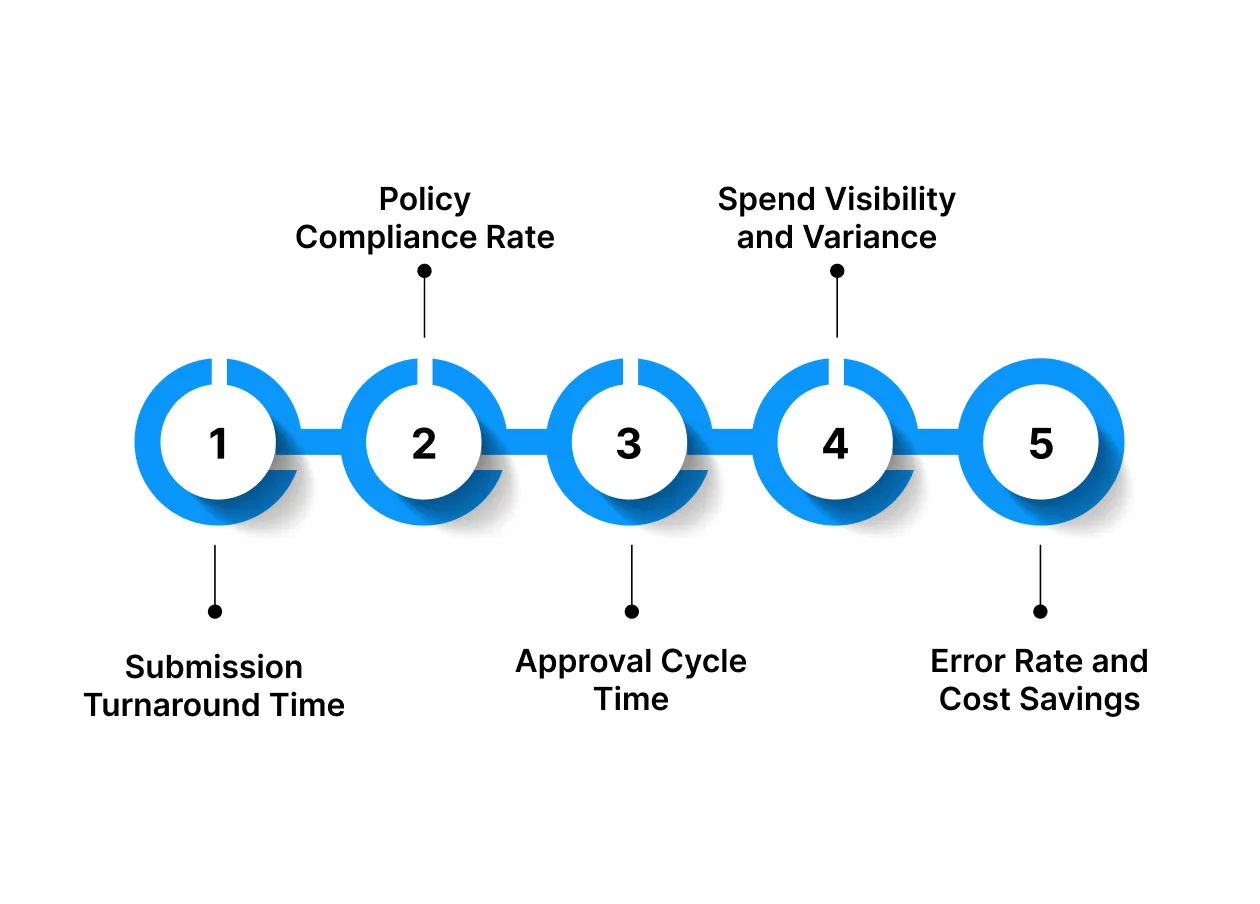
To gauge the effectiveness of your expense management practices, tracking the right key performance indicators (KPIs) is essential. Below are the criteria you should monitor to ensure your system is working optimally:
1. Submission Turnaround Time
- Why it matters: Quick submissions indicate an efficient system and understanding among employees. Delayed submissions may point to bottlenecks or confusion in the process.
- How to measure: Track the average time between when an expense is incurred and when it is submitted.
- Goal: Reduce this time as much as possible to speed up reimbursements and improve overall financial workflows.
2. Policy Compliance Rate
- Why it matters: A high compliance rate means that employees understand and follow expense policies. Low compliance might signal gaps in policy clarity or employee training.
- How to measure: Review the percentage of approved expenses that comply with company policy.
- Goal: Increase this percentage by providing regular training and clear guidelines.
3. Approval Cycle Time
- Why it matters: Faster approvals indicate streamlined workflows, while slow approval times could highlight inefficiencies in the approval process.
- How to measure: Monitor the average time taken for an expense report to move through the approval stages.
- Goal: Decrease this cycle time to improve the efficiency of your approval process.
4. Spend Visibility and Variance
- Why it matters: Having clear visibility into spend helps you stay on top of budget adherence. Tracking how closely actual expenses align with budgeted amounts highlights areas of overspending or underspending.
- How to measure: Compare actual expenses against budget forecasts regularly.
- Goal: Minimise variance by identifying and correcting overspending trends early.
5. Error Rate and Cost Savings
- Why it matters: Fewer errors indicate a more efficient system, while a high error rate signals potential issues like inaccurate data entry or improper approvals.
- How to measure: Track the frequency of rejected claims or errors in expense reports.
- Goal: Reduce errors over time by automating the process, training employees, and improving internal controls.
By tracking these KPIs, you can continuously assess and refine your expense management system to ensure it aligns with your financial goals and business needs.
How Pocketly Supports Your Expense Management Strategy
Managing business expenses can be a challenge, especially when cash flow fluctuates or unexpected costs arise. Even with a solid expense management plan, there are times when businesses need quick access to funds to keep operations running smoothly. That’s where Pocketly comes in, providing flexible, short-term loans that complement your broader financial strategy.
Here’s how Pocketly supports your business expenses:
- Quick Access to Funds: Loans ranging from ₹1,000 to ₹25,000 to cover urgent business expenses.
- Fast, Simple Application Process: Apply and get approved through a quick KYC process, with funds transferred within minutes.
- Clear and Transparent Terms: Interest rates starting at 2% per month, with processing fees between 1% and 8%, and no hidden charges.
- Prevent Expense Disruptions: Flexible loans for covering immediate expenses like inventory, payroll, or operational costs.
Download the Pocketly app today for fast, short-term financial support to manage your business expenses.
Conclusion
Effective expense management tools and practices provide clarity, reduce financial stress, and enhance decision-making, but they are most impactful when paired with consistent, responsible spending habits. By offering a comprehensive overview of business or personal expenses, these systems empower you to optimise your spending, cut unnecessary costs, and make smarter, informed choices that improve your financial stability.
However, even with the best management practices, there can still be moments when unexpected expenses create financial pressure.
This is where Pocketly steps in. With quick, flexible loans and transparent terms, Pocketly ensures that you can manage unforeseen costs without disrupting your financial balance.
Download the Pocketly app on iOS or Android to access quick, hassle-free loans and keep your business moving forward.
FAQs
1. What are expense management best practices?
Expense management best practices are structured approaches and strategies that organisations use to track, approve, and control business spending effectively. These practices help minimise waste, improve compliance, and increase overall financial efficiency.
2. Why is it important to standardise expense policies?
Standardising expense policies ensures consistency across departments, reduces the risk of fraud or miscommunication, and increases compliance. Clear, uniform policies also make the approval process faster and more transparent.
3. How can automation improve expense management?
Automation speeds up the expense management process by reducing manual work, improving accuracy, and ensuring quicker approval cycles. It also provides real-time insights into spending patterns, making it easier to control costs and enforce policies.
4. What are the best tools for expense management?
Expense management tools include mobile receipt capture apps, automated approval workflows, AI-powered validation platforms, and cloud accounting software. These tools help streamline processes, increase visibility, and improve financial control.
5. How do you measure the success of an expense management system?
Success can be measured through metrics such as the speed of expense submission and approval, policy compliance rates, the percentage of automated approvals, cost savings from process improvements, and reconciliation accuracy.