

You need ₹20,000 urgently, but your bank is offering a personal loan starting at ₹50,000. Another lender wants six months of salary slips. Meanwhile, a loan app says you can apply in minutes.
Which one should you choose?
This is where the NBFC vs private bank vs government bank comparison becomes useful. All three can lend money, but they don't necessarily serve the same type of borrower.
A government bank might offer you a competitive rate. A private bank could have a pre-approved loan waiting in your banking app. An NBFC may have a smaller loan product that suits your immediate expense.
The mistake is assuming one type of lender is always cheaper, faster or safer than the others.
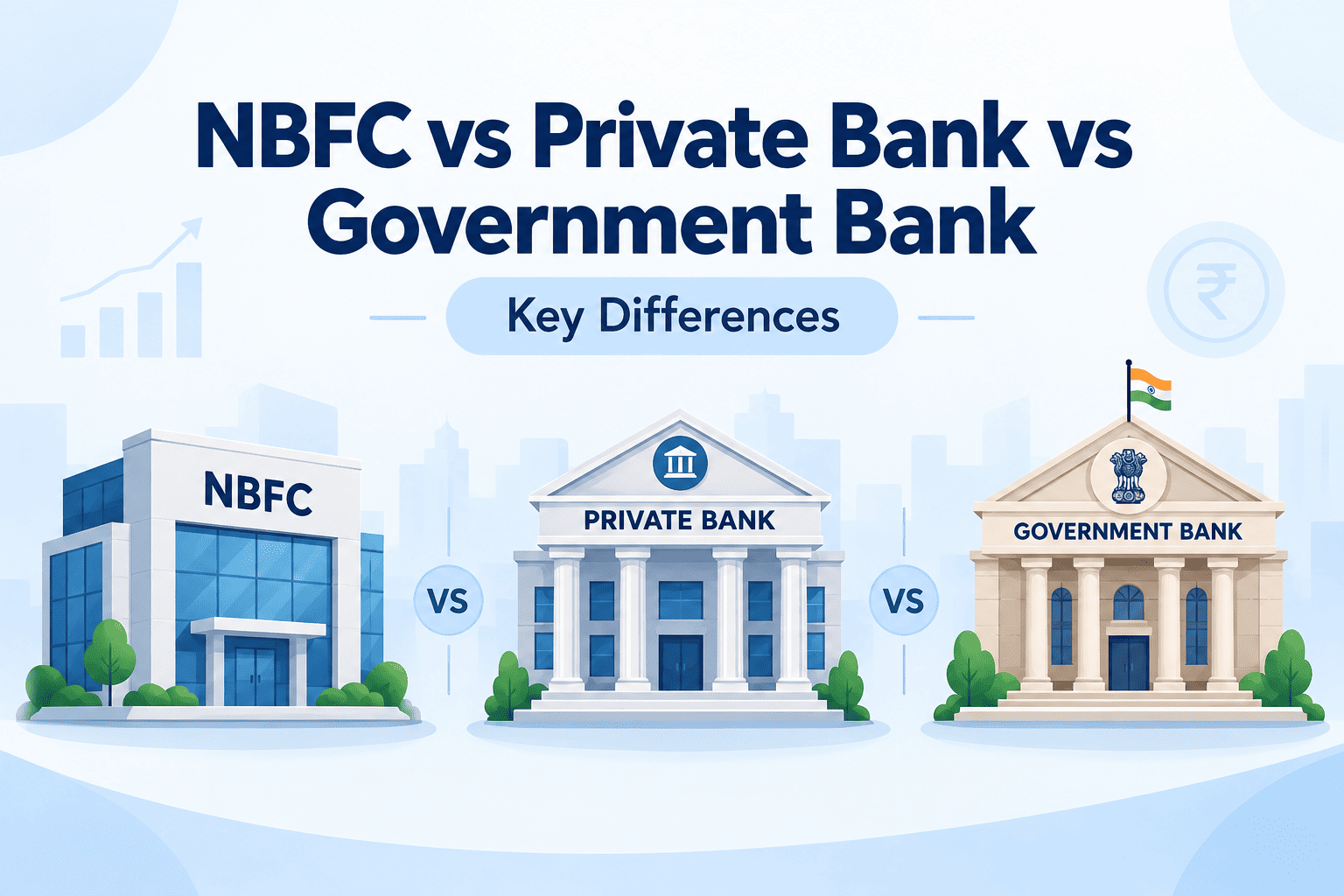
NBFC vs Private Bank vs Government Bank: What's the Difference?
The biggest difference is how these institutions operate. NBFCs provide financial services such as lending but cannot accept demand deposits. Private banks are controlled mainly by private shareholders, while government banks, also called public sector banks, have majority government ownership.
For personal loans, the differences you should pay attention to are eligibility, interest rates, processing charges and repayment terms.
NBFC vs Private Bank vs Government Bank: Comparison
|
Features |
NBFC |
Private Bank |
Government Bank |
|
Examples |
Pocketly (Speel Finance Company Private Limited,) |
HDFC Bank, ICICI Bank |
SBI, Punjab National Bank |
|
Personal loans |
Available |
Available |
Available |
|
Small-ticket loans |
Available with some lenders |
Depends on product |
Depends on product |
|
Credit score checks |
Lender-specific |
Lender-specific |
Lender-specific |
|
Online application |
Available |
Available |
Available |
|
Loan approval |
Can be quick |
Can be quick |
Can be quick |
|
Interest rates |
Based on borrower risk and product |
Based on borrower risk and product |
Based on borrower risk and product |
|
Savings accounts |
Generally unavailable |
Available |
Available |
|
RBI regulation |
Yes, for RBI-registered NBFCs |
Yes |
Yes |
One detail worth remembering: a private bank isn't necessarily faster than a government bank, and an NBFC isn't automatically more expensive. Your eligibility and the particular loan offer make the difference.
What Is an NBFC, and Why Do People Choose It?
An NBFC (Non-Banking Financial Company) provides loans and other permitted financial services without operating as a conventional bank.
Consider someone who works as a freelance video editor. Their monthly earnings might be ₹25,000 one month and ₹45,000 the next. They have income, but not a regular salary slip.
Some NBFCs have lending products designed for self-employed people and may consider alternative income documents. That doesn't mean they skip verification. They still assess whether the borrower can repay.
NBFCs can be worth exploring when:
-
You need a smaller loan rather than a large personal loan.
-
Your income doesn't follow a fixed salary cycle.
-
You prefer completing the application on your phone.
-
Your existing bank doesn't have a suitable loan offer.
The difference between NBFC and bank goes beyond loan processing. Banks accept savings and current account deposits and provide payment services. NBFCs generally cannot offer those banking facilities.
Private Bank vs Government Bank: Is There Really a Big Difference?
Imagine you've maintained a salary account with SBI for five years. Your salary arrives regularly, and you've never missed an EMI.
Before approaching another lender, checking whether SBI has a pre-approved loan offer makes sense.
Now consider someone who banks with HDFC. They might find a suitable personal loan offer directly in their mobile banking app.
Both situations are possible because banks already have information about their existing customers.
Government banks aren't necessarily slow, and private banks don't approve every application instantly. Some products require additional documents or verification regardless of who owns the bank.
For an existing bank customer, the first place to check is often their own banking app. You may already have an offer that is easier to compare with other lenders.
NBFC Loan vs Bank Loan: How Much Will You Actually Pay?
A lower monthly EMI doesn't always mean a cheaper loan.
Take a ₹30,000 personal loan for six months. Here is what the repayment could look like at two different interest rates.
|
Loan details |
Offer A |
Offer B |
|
Loan amount |
₹30,000 |
₹30,000 |
|
Annual interest rate |
12% |
24% |
|
Tenure |
6 months |
6 months |
|
Approximate EMI |
₹5,176 |
₹5,356 |
|
Total interest |
₹1,056 |
₹2,135 |
Illustrative reducing-balance EMI calculations, rounded. Processing fees and taxes are excluded.
Offer B costs around ₹1,079 more in interest. Add a processing fee, and the difference grows.
This is why comparing only the interest rate shown in an advertisement can be misleading.
Before accepting any NBFC loan vs bank loan offer, check the Annual Percentage Rate (APR), processing charges, amount credited to your account and total repayment amount.
Which Is Better for First-Time Borrowers?
If you've just started working, you may not have much credit history. That can make borrowing difficult, even when you're earning enough to manage repayments.
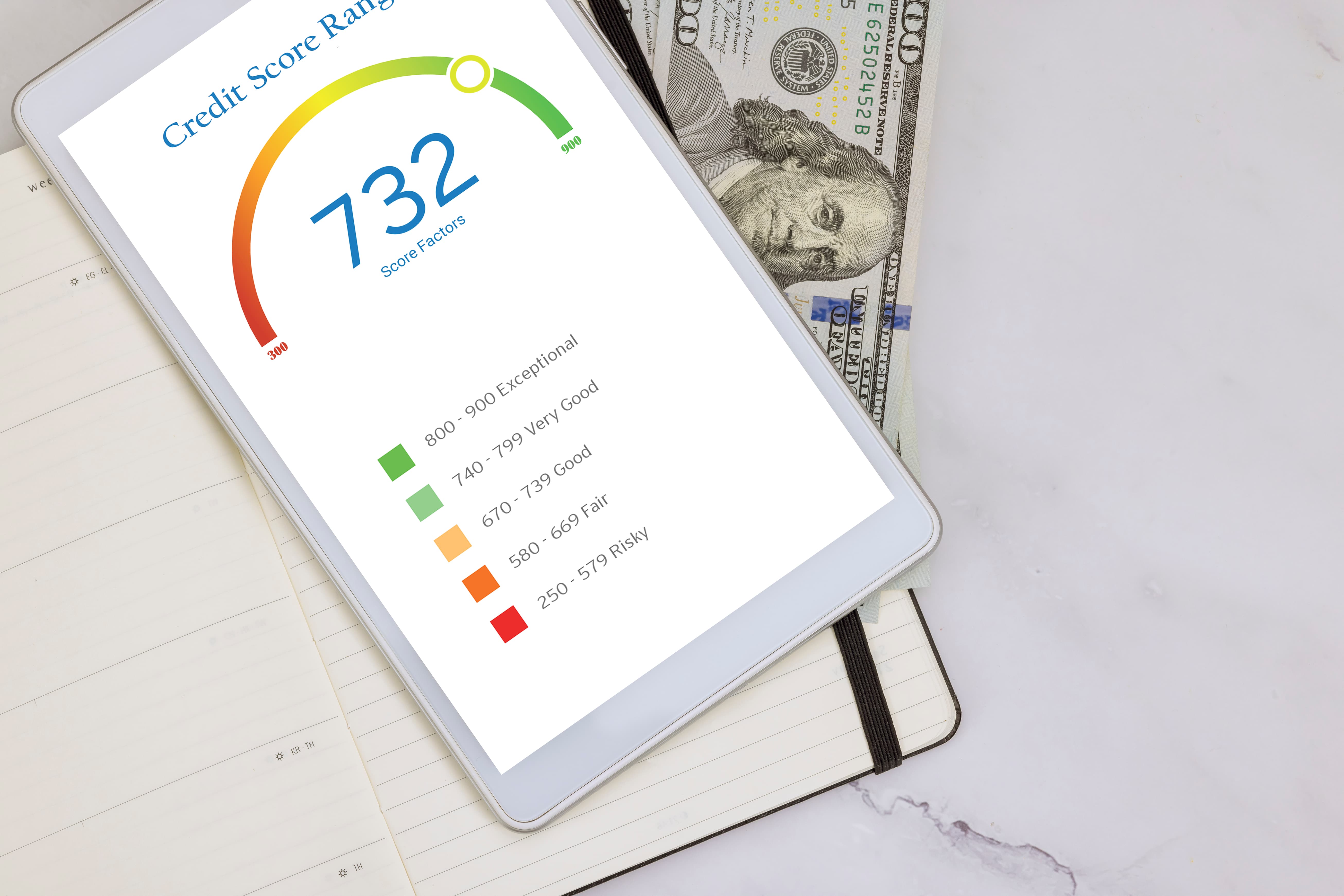
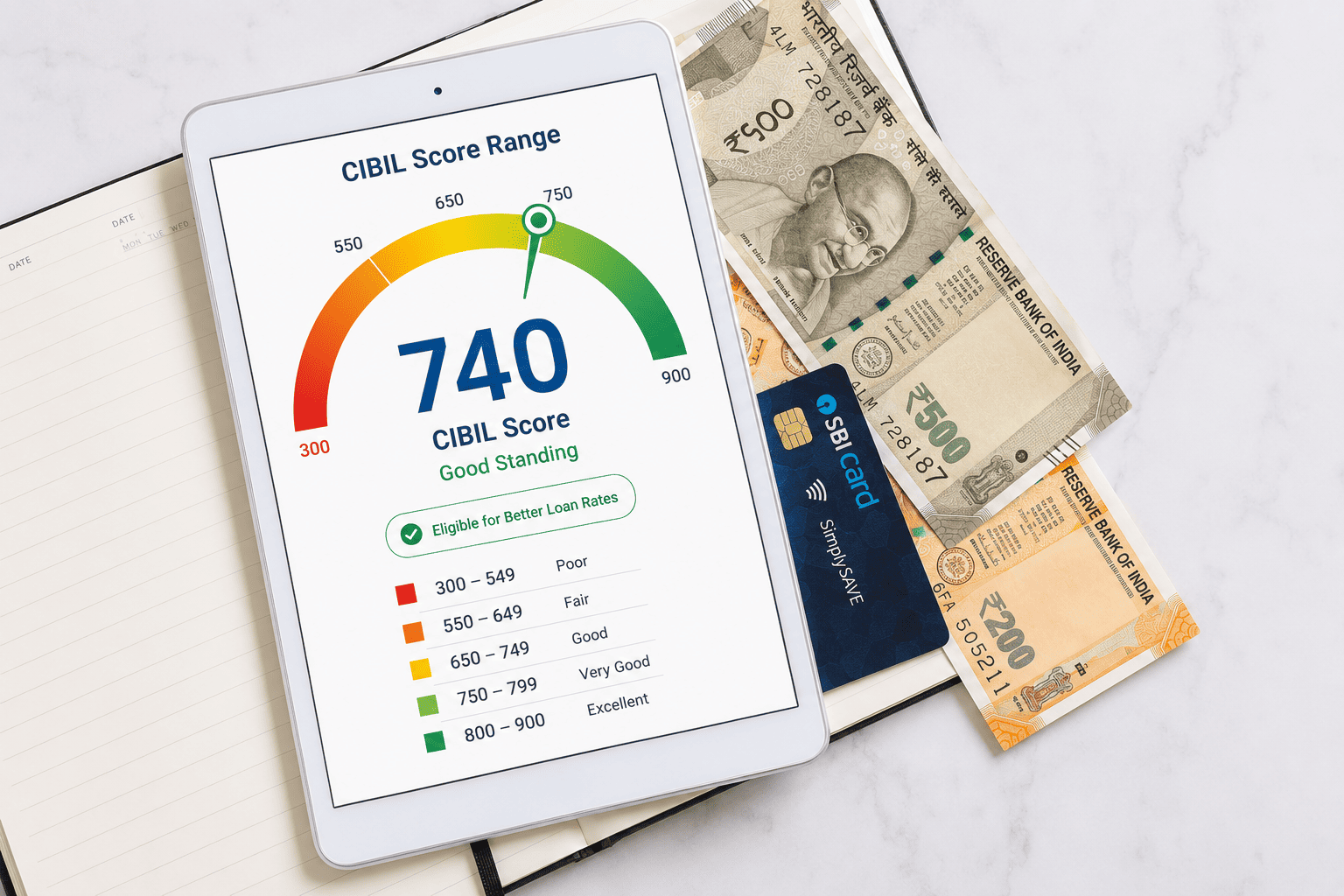
A low credit score and no credit score are also different situations. Someone who has never borrowed may have no established score. Someone who has missed several EMIs may have a poor repayment record.
Some NBFCs consider applicants with limited credit histories, but their lending criteria still apply.
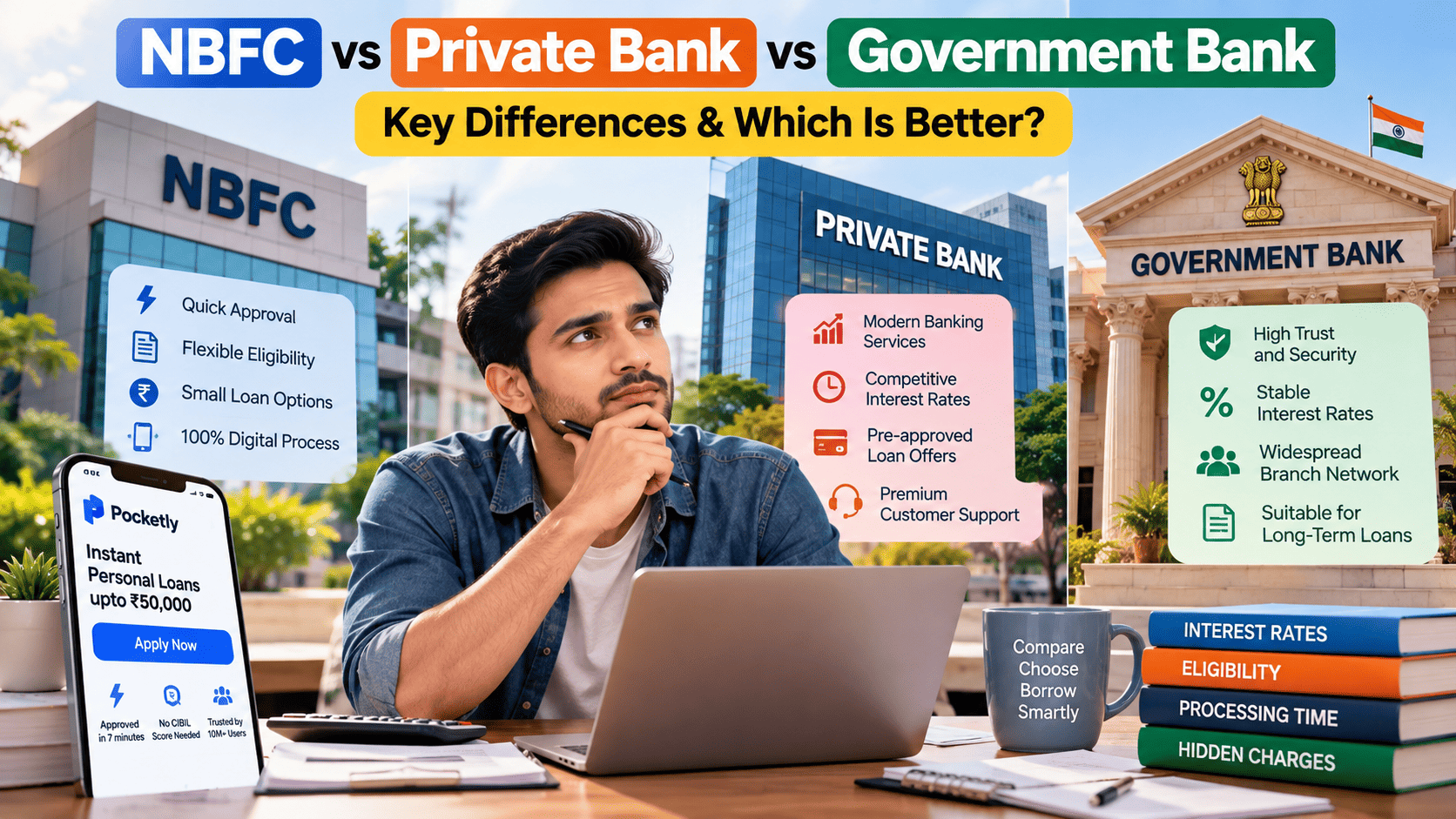
For young borrowers who need a smaller amount, checking a digital lending platform such as Pocketly may be useful.
Need ₹5,000 to ₹50,000? Check Pocketly
Not every unexpected expense requires a large bank loan.
Your laptop might need repairs before an important project. Your rent could be due before your salary arrives. Or you may need money for an essential expense that wasn't part of your monthly budget.
Pocketly offers instant personal loan applications through a fully digital process.
Here's what Pocketly provides:
-
Personal loan amounts from ₹1,000 to ₹50,000.
-
Digital application and KYC process.
-
Loan requests that may be approved within 7 minutes.
-
Applications from eligible borrowers without an established CIBIL score.
-
Flexible repayment periods, subject to the loan offer.
Pocketly operates through Speel Finance Company Private Limited, an RBI-registered NBFC. Its published material reports more than 10 million users.
You can check your eligibility and review the available offer without visiting a bank branch. Approval and disbursal times are not guaranteed.
Apply for an Instant Personal Loan with Pocketly
Don't Ignore These Details Before Taking a Loan
A fast loan can become expensive if you haven't checked the repayment terms.
Suppose you're borrowing ₹10,000 for an urgent expense. A lender charges a 5% processing fee plus 18% GST on that fee.
The processing charge is ₹500, and GST adds ₹90. If deducted upfront, you receive ₹9,410 even though your loan principal remains ₹10,000.
Interest is another expense.
This is why the amount shown on the application screen may not be the same as the amount credited to your account.
Before borrowing, ask yourself:
-
How much money will I actually receive?
-
What is the total amount I must repay?
-
Can I manage the instalments if my salary or freelance payment is delayed?
-
What happens if I miss the repayment date?
Check the Key Facts Statement (KFS). The RBI requires applicable regulated lenders to disclose key loan costs, including APR, to help borrowers understand what they're agreeing to.
Final Thoughts
A government bank isn't always the cheapest option. A private bank isn't necessarily the fastest. And an NBFC won't approve every applicant simply because it offers digital loans.
Start with the amount you actually need. Check your existing bank's offer, compare it with other suitable lenders, and look carefully at the full borrowing cost.
If you're looking for a smaller personal loan, Pocketly lets eligible applicants explore loans up to ₹50,000 through a digital application.
Borrow what you can comfortably repay, not simply the maximum amount offered.
Source references: RBI — NBFC FAQs and RBI — NBFC Deposit Regulations.
Frequently Asked Questions
1. Which is better, an NBFC or a private bank?
A private bank may be suitable if you already have a banking relationship or a competitive pre-approved offer. An NBFC may be worth considering for smaller loans or specialised lending requirements.
2. What is the difference between NBFC and government bank?
Government banks provide savings accounts, payment services and loans. NBFCs mainly provide permitted financial services such as lending and cannot accept demand deposits.
3. Are NBFC personal loans more expensive than bank loans?
Not always. Some NBFC loans cost more, while others may have competitive rates. Compare the APR, processing fees and total repayment amount.
4. Can I get an NBFC loan without a CIBIL score?
Yes, some NBFCs consider applicants without an established credit score. They may assess income, employment details and repayment capacity before approving a loan.
5. Is an NBFC safe for personal loans?
An RBI-registered NBFC operates under applicable regulatory requirements. Verify the lender's registration and review its loan documents before borrowing.
6. Which approves personal loans faster, NBFCs or banks?
Both can offer quick digital processing. Existing bank customers may receive pre-approved offers, while some NBFCs specialise in digital loan applications.
7. Can self-employed people get personal loans from NBFCs?
Yes. Some NBFCs offer loans to self-employed applicants. Bank statements, business income records or other documents may be needed.
8. Can students apply for personal loans?
Students aged 18 or above may apply where the lender permits it. A qualifying income source and repayment capacity can be important eligibility requirements.
9. Is Pocketly an NBFC loan app?
Pocketly is a digital personal loan platform operated through Speel Finance Company Private Limited, an RBI-registered NBFC.
10. Does Pocketly require a CIBIL score?
Pocketly allows eligible applicants without an established CIBIL score to apply. Other eligibility and verification requirements still apply.
11. Which is better for a ₹5,000 personal loan?
Check lenders that offer ₹5,000 loans without requiring you to borrow more than you need. Pocketly's advertised range includes ₹5,000, subject to eligibility.
12. Do government banks offer loans to people with low credit scores?
Some applications may be considered, but a low credit score can make approval harder. Banks assess income, existing obligations and credit history under their lending policies.