

Managing lifestyle expenses can be a real challenge, especially when unexpected costs arise at the worst times. Whether it's a last-minute trip, dining out, or a new gadget, these small indulgences can quickly add up and disrupt your financial balance. For many young Indians, students, professionals, or entrepreneurs, this becomes even more of an issue during month-end shortages or when trying to make ends meet.
The stress of juggling bills, subscriptions, and personal spending can lead to missed payments and financial pressure, affecting both your finances and mental well-being.
For context, monthly living expenses for a single person in India are approximately ₹40,000 without rent, and ₹65,000 with rent (using the 2025 average exchange rate of ~₹85 per USD).
But don’t worry, there’s a way to regain control. In this blog, we’ll explore practical steps to help you manage your lifestyle expenses effectively, without sacrificing the things you enjoy.
Key Takeaways
- Managing lifestyle expenses in 2026 doesn’t mean sacrificing fun, but rather making smarter financial choices.
- Understanding where your money goes and prioritising what truly matters helps you balance spending with saving.
- Setting limits on fluctuating costs like food delivery and entertainment keeps your budget predictable.
- Choosing affordable alternatives, planning indulgences, and using tools like Pocketly for quick cash relief provide flexibility while staying on track.
- Smart planning and timely actions can help you enjoy life’s pleasures without compromising your financial well-being.
What Are Lifestyle Expenses?
Lifestyle expenses are the non-essential costs that help maintain your standard of living. They include:
- Dining out and takeaways
- Entertainment (movies, events, etc.)
- Fitness memberships
- Shopping for clothes, gadgets, or accessories
- Travel and weekend getaways
While these expenses enhance your lifestyle, they can add up quickly and affect your budget if not managed properly. For young Indians, lifestyle expenses can range from regular indulgences to occasional splurges.
Note: Recognising these expenses is key to avoiding financial strain and staying on top of your budget.
Detailed Monthly Lifestyle Expenses and Cost of Living in India
Lifestyle expenses in India are the non-essential costs that help improve your quality of life but are not critical for survival. These expenses, such as dining out, entertainment, shopping, and social outings, can quickly add up if not managed carefully.
Below is a breakdown of the typical monthly costs for lifestyle-related expenses across different categories:
| Lifestyle Expense | Approximate Monthly Cost of Living (INR) | How This Relates to Lifestyle Spending |
| Eating Out (casual meals) | 4,000–8,000 | Assuming 200–300₹ per meal at inexpensive restaurants with multiple visits per week |
| Cinema & Entertainment | 1,200 | Around 300₹ per movie ticket with 4 visits a month. |
| Fitness Club / Gym | 1,300 | Monthly fitness club membership average. |
| Mobile Plan | 340 | Monthly mobile plan with calls and data. |
| Broadband Internet | 680 | Unlimited home internet plan. |
| Transportation Pass | 795 | Monthly public transport pass. |
| Snacks & Coffee | 3,000–4,500 | Frequent spending on coffee and small snacks (e.g., 160₹ coffee * multiple times/week). |
| Grocery Add‑Ons for Lifestyle (non‑essentials) | 3,000–6,000 | Extra produce, meats, packaged foods beyond basic groceries. |
| Occasional Drinks / Social Outings | 1,500–3,000 | Social spending on drinks and outings; beer 170₹ per serving. |
| Clothing & Accessories (averaged) | 2,000–4,000 | One or two smaller clothing or accessory purchases monthly. |
How Lifestyle Expenses Can Disrupt Your Financial Goals?
Lifestyle expenses can have a major impact on your overall financial health. Here's how they can affect your budget:
| Impact | Outcome |
| Financial Stress | Regular overspending on non-essentials leads to anxiety and strain. |
| Missed Savings Goals | Spending too much on lifestyle leaves little room for saving. |
| Debt Cycle | Using credit for lifestyle expenses leads to accumulating debt. |
| Mental Health Effects | Financial stress can cause anxiety, affecting overall well-being. |
These expenses may seem small, but when not managed properly, they can lead to serious financial consequences, such as debt accumulation, missed savings goals, and ongoing stress.
Also Read: Should You Save for an Emergency Fund or Pay Off Debt?
6 Smart Hacks to Take Control of Your Lifestyle Expenses
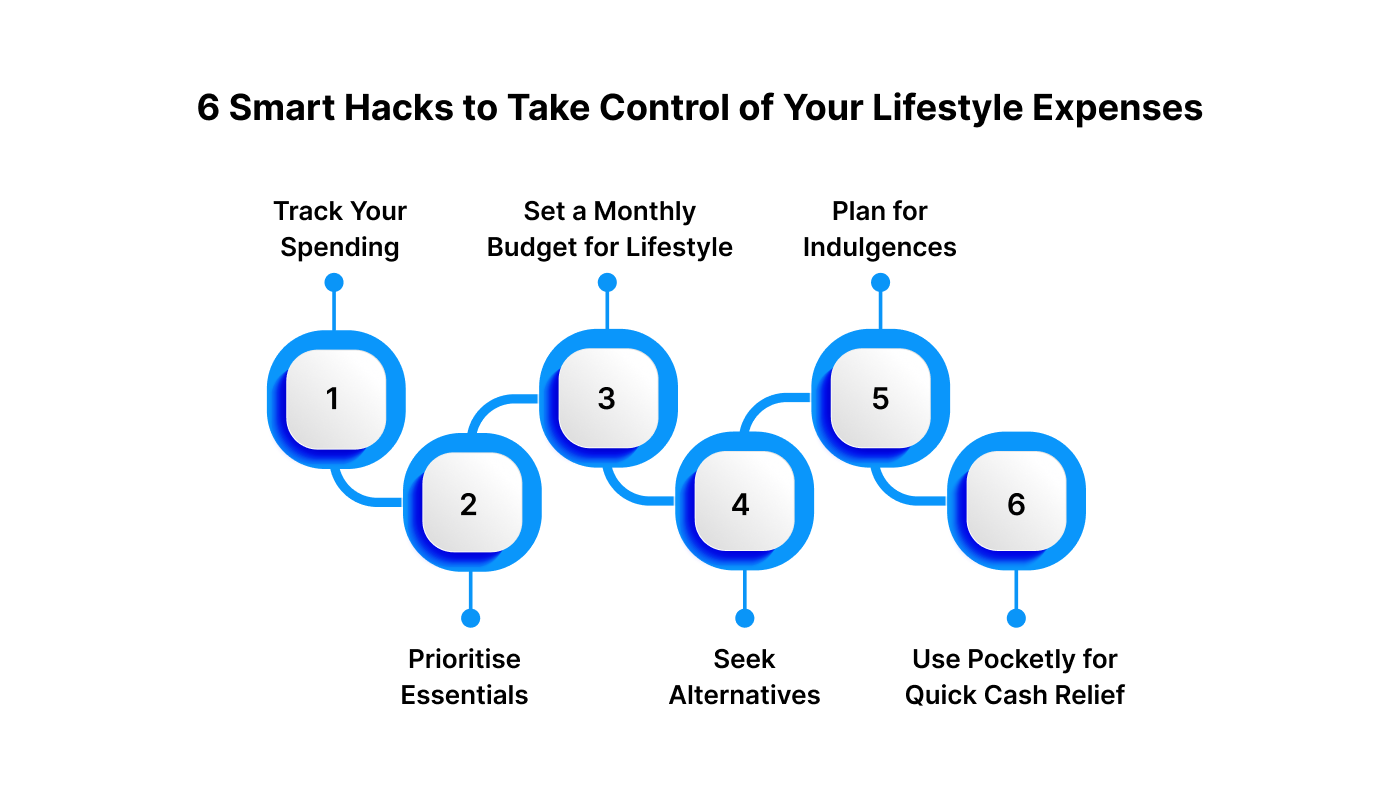
To manage lifestyle expenses without compromising your lifestyle, here are some effective steps you can follow:
1. Understand Exactly Where Your Money Goes
Most people think they know where their money is going, but when they list everything out, the total is often higher than expected.
Clarity means knowing exactly what your expenses cover, not just roughly guessing. Start by categorising your spending into essentials like rent, utilities, and savings, and lifestyle expenses like dining out, shopping, and entertainment.
When you have a clear breakdown, you stop budgeting blindly and start allocating with intention. This insight allows you to make smarter choices and avoid overspending.
2. Prioritise What You Value Most
Your spending should reflect your values, not trends or what others are doing. Optimisation means putting your money where it counts most, whether that is on personal growth, health, travel, or experiences.
When you allocate money to what is important to you, instead of reacting to trends or social pressure, you avoid regretting spending.
By consciously choosing what to fund, whether it is skills development, memorable trips, or wellbeing, you create a financial plan that aligns with your true priorities.
3. Set Limits on Categories That Can Spike Unexpectedly
Some categories in your budget may seem minor at first, but they can quickly add up and derail your finances. Think of things like food delivery, weekend plans, or impulse shopping.
Setting limits on these fluctuating expenses helps you gain control over your budget. You can plan your meals to avoid excessive food delivery costs, set a specific amount for weekend activities, and keep track of any impulse buys.
When you keep these areas under control, your entire budget becomes more predictable, and you avoid surprise financial gaps.
4. Seek Alternative Options Without Sacrificing the Experience
There are often cheaper alternatives for lifestyle activities that do not diminish the overall experience.
For example, cook at home instead of dining out. Preparing your favourite meals or exploring new recipes can save you significant amounts of money while also being healthier.
Similarly, opt for free or low-cost events like local festivals, community activities, or outdoor movies, concerts, and park gatherings, instead of spending on expensive outings. These small changes allow you to enjoy life without the hefty price tag.
5. Plan for Indulgences for the Things You Enjoy
It is important to indulge occasionally, but these indulgences should be planned within your budget.
Allocate a small indulgence fund by setting aside a fixed portion of your monthly budget specifically for non-essential treats, such as shopping, travel, or entertainment. This way, you can enjoy these luxuries guilt-free without upsetting your financial plans.
By planning for indulgences in advance, you also reduce the temptation of impulse buying, which often strains your finances and leads to regretful purchases.
6. Use Pocketly for Quick Cash Relief When You Need It
Sometimes, despite your best efforts, your budget might face unexpected gaps. That is where Pocketly comes in.
If you find yourself needing a little extra cash, Pocketly offers quick loans ranging from ₹1,000 to ₹25,000, with fast approval and no collateral required. Whether it is for an emergency or a surprise expense, Pocketly helps you bridge the gap quickly and efficiently, so you can keep your financial plans on track without stress.
What Mistakes Are You Making with Your Lifestyle Expenses?
When it comes to managing your lifestyle expenses, it’s easy to make mistakes that can affect your financial well-being. Here are some common pitfalls to watch out for:
1. The Silent Budget Killer
It’s easy to dismiss small purchases as insignificant, but they can add up over time and quietly erode your finances.
Small expenses like a daily snack or that extra cup of coffee might seem harmless in the moment, but they can quickly accumulate. For example, a ₹300 daily snack habit doesn’t seem like much, but over a month, that’s ₹9,000.
These tiny purchases often go unnoticed, but when added together, they can create a significant dent in your budget. Keeping track of small expenses and cutting back where possible can help you regain control over your spending.
2. The Temptation of a Lavish Lifestyle
It’s tempting to live beyond your means to keep up with appearances or enjoy a lavish lifestyle. However, this habit can lead to debt and financial strain.
Exceeding your budget to splurge on luxury items or experiences might feel rewarding in the short term, but it can lead to long-term consequences.
For example, putting a high-end handbag or expensive gadgets on credit may seem like a treat, but the interest charges will quickly pile up. Over time, this makes it more difficult to pay off your debts, and you end up spending more than you originally intended. Living within your means and prioritising needs over wants will keep you from falling into this trap.
3. The Risk of Impulse Purchases
Spontaneous purchases and frequent indulgences can easily derail your budget if they are not managed carefully. Whether it's an impulsive online shopping spree or frequent dining out, these unplanned expenses can push you past your monthly budget.
For example, a series of online purchases made without considering your monthly limits can quickly add up to a significant amount.
Planning ahead for these indulgences and allocating a fixed portion of your budget for non-essentials can help you enjoy life’s little luxuries without the financial guilt.
4. The Cost of Short-Term Pleasures
It’s easy to focus on immediate desires, but failing to assess the long-term financial impact can hurt your future stability.
Short-term pleasures, like taking out a loan for a vacation or purchasing the latest gadget, might seem like harmless indulgences. However, without evaluating how these expenses affect your future finances, you could be setting yourself up for difficulty.
For example, using a loan to fund a getaway today might leave you struggling to cover bills in the months to come. By considering the long-term impact of your purchases, you ensure that today’s pleasure doesn’t lead to future regret.
5. The Danger of Financial Complacency
One of the biggest mistakes people make is not regularly reassessing their recurring expenses. Sticking to outdated financial habits can result in wasteful spending.
Many of us continue paying for services or subscriptions we no longer use, such as an unused gym membership or streaming service. Over time, these small but unnecessary charges add up.
For example, you may be paying ₹1,000 a month for a gym membership that you haven’t used in months, simply because it’s easier than cancelling.
Regularly reviewing your ongoing expenses and cutting out those you no longer need can help you avoid wasteful spending and free up money for more important things.
Also Read: Can Paying Bills Help Build a Credit Score?
What to Do When You Can't Manage Lifestyle Expenses on Time
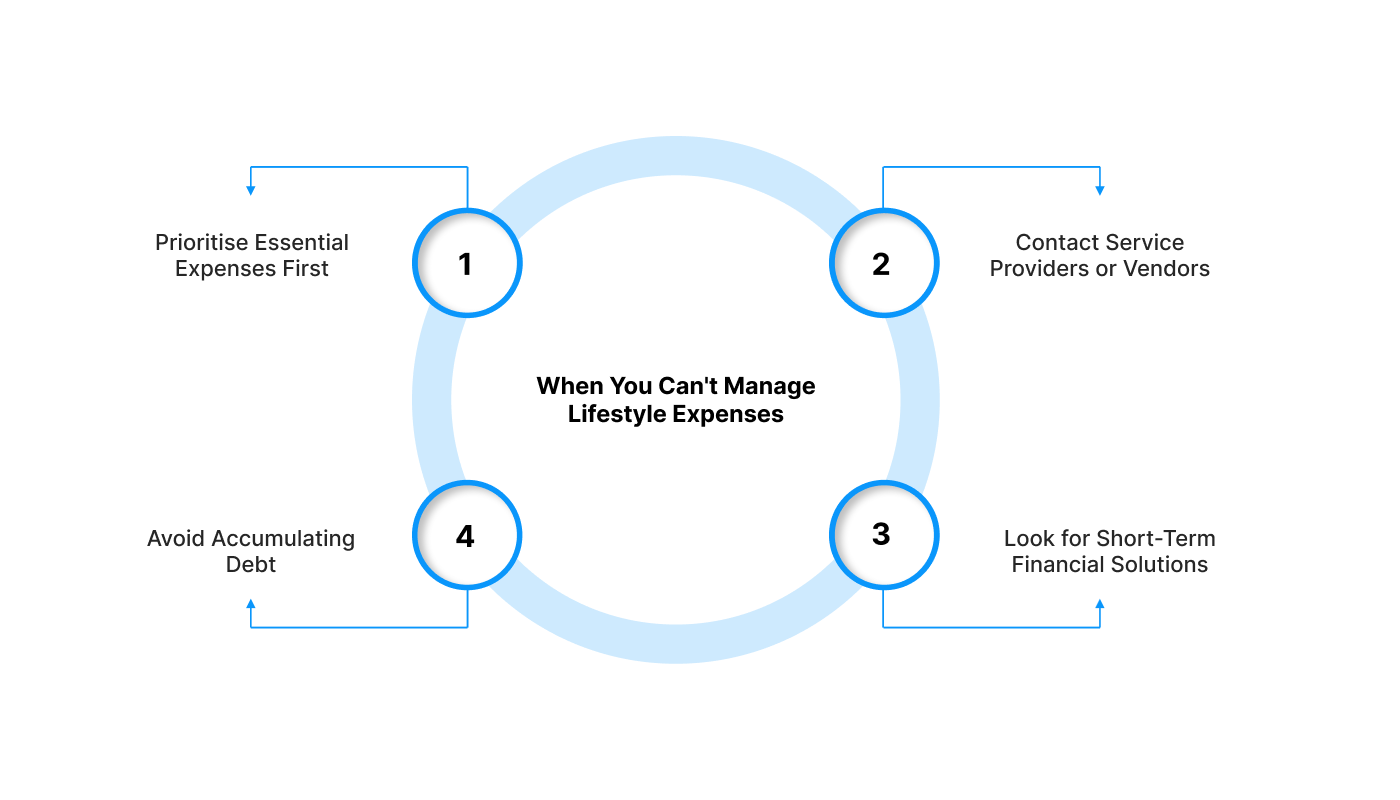
Unexpected situations, like medical emergencies or salary delays, can make it difficult to manage lifestyle expenses. Here’s how to handle it.
1. Prioritise Essential Expenses First
If funds are tight, focus on what’s crucial:
- Priority 1: Rent and utilities to avoid service interruptions.
- Priority 2: Transportation to get to work or appointments.
- Priority 3: Non-essential spending like entertainment or dining out can wait.
2. Contact Service Providers or Vendors
If you can’t make a payment on time, reach out to your service providers. Many offer extensions, instalment options, or waivers for late fees during tough times.
3. Look for Short-Term Financial Solutions
When expenses pile up, short-term loans can help cover the gap. Borrowing a small amount can often cost less than late fees or missed payments. Pocketly offers quick loans from ₹1,000 to ₹25,000, with interest rates starting only at 2% per month and processing fees from 1% to 8%. Fast approval and instant transfer allow you to manage your expenses without delay.
4. Avoid Accumulating Debt
Use short-term loans only when necessary. Paying them off quickly helps prevent long-term financial strain.
Managing lifestyle expenses during tough times can be challenging, but with smart planning and solutions like Pocketly, you can stay on track.
Short on Cash for Lifestyle Expenses? Pocketly’s Got You Covered
When lifestyle expenses sneak up on you, whether it’s a weekend getaway, a shopping spree, or an unplanned night out, Pocketly is here to help bridge the gap, so you don’t have to scramble for funds.
Here’s why Pocketly stands out:
- Borrow only what you need: Loan amounts from ₹1,000 to ₹25,000.
- No collateral needed: No assets, no guarantors, just simple loans.
- Quick approval: Fast KYC verification and instant loan decision.
- Instant bank transfer: Funds are credited to your account right after approval.
- Flexible repayment: Choose a loan tenure that fits your budget.
- Transparent pricing: Interest rates start at 2% per month with processing fees between 1% and 8% of the loan amount.
- Available 24/7: Get quick funds anytime through our easy-to-use mobile app.
Pocketly partners with regulated NBFCs to offer secure loans with clear terms and no hidden charges. So when your lifestyle expenses don’t align with your budget, Pocketly ensures you’ve got the financial flexibility to keep things moving.
Conclusion
Lifestyle expenses are a part of enjoying life, but they shouldn’t cause financial stress. By understanding your spending habits, budgeting wisely, and tracking your expenses, you can keep your finances in control.
Treat lifestyle expenses with careful planning. Regularly assess your spending, set a budget, and prioritise essential costs to avoid overspending. When cash flow is tight, act quickly instead of letting expenses pile up. Short-term loans can offer the flexibility you need without disrupting your financial balance.
Download the Pocketly app now on iOS and Android to access quick funds for managing unexpected lifestyle expenses, giving you the financial freedom to enjoy life without the stress.
FAQs
1. What should I prioritise when managing lifestyle expenses during a cash crunch?
Focus on essential expenses first, such as rent, utilities, and transportation. Non-essential spending like entertainment or dining out can be postponed.
2. How can I avoid service interruptions if I can’t pay bills on time?
Contact your service providers immediately to discuss payment extensions, instalment plans, or late fee waivers. Many offer options to help during difficult times.
3. Can short-term loans help with managing lifestyle expenses?
Yes, short-term loans can provide quick relief for covering urgent expenses when funds are low. Using platforms like Pocketly allows you to access small loans with fast approval.
4. How does Pocketly help with lifestyle expenses?
Pocketly offers quick loans ranging from ₹1,000 to ₹25,000 with interest rates starting at 2% per month. The fast application process ensures you get funds in your account quickly to cover immediate expenses.
5. Are there any risks with using short-term loans for lifestyle expenses?
While short-term loans can provide immediate relief, it’s important to use them responsibly and pay them off quickly to avoid accumulating debt and further financial strain.