

Most people don’t realise how much they spend until their balance starts running low. The problem is not always income; it is the lack of clarity on where money actually goes every day.
This becomes harder when spending is spread across small payments, subscriptions, and everyday transactions. Without tracking, it is easy to underestimate expenses and lose control by the end of the month.
According to data from the Reserve Bank of India, household financial liabilities rose to 6.1% of gross national disposable income in 2023–24, while net financial savings remained around 5.1%, showing how spending and borrowing are increasing faster than savings.
In simple terms, people are spending more actively, but not always tracking it effectively.
In this blog, we will break down how to track monthly expenses, the tools you can use, and how to build a system that actually works in real life.
Key Takeaways
-
Expense tracking reveals the gap between perceived and actual spending, which is where most financial leakage happens.
-
The problem isn’t overspending alone; it’s invisible spending patterns caused by missed entries and poor categorisation.
-
A simple, repeatable system matters more than tools; consistency beats complexity every time.
-
Automated apps improve convenience, but financial control comes from reviewing and adjusting behaviour regularly.
-
Tracking builds control, but for unavoidable gaps, access to short-term credit helps you stay consistent without disrupting your plan.
What Does It Mean to Track Monthly Expenses?
Tracking monthly expenses means recording and reviewing every expense you make to understand where your money is actually going. It is less about restriction and more about visibility.
Most people assume they know their spending, but without tracking, it is often based on memory rather than actual data. This creates gaps between what you think you spend and what you actually spend.
At its core, expense tracking involves:
-
Recording every transaction, whether small or large
-
Categorising spending into meaningful groups
-
Reviewing patterns over time to spot trends
The goal is not just to collect numbers, but to turn daily spending into something measurable and controllable.
It is also important to understand that tracking is different from budgeting. Tracking shows you what is happening, while budgeting decides what should happen.
Why Most People Lose Track of Their Monthly Expenses?
Losing track of expenses is rarely about income; it’s about gaps in visibility and consistency. When spending isn’t captured in real time, even regular earners struggle to understand where their money actually goes.
Most of this comes down to a few recurring patterns:
-
Inconsistent tracking: Expenses are recorded late or skipped entirely, which leads to incomplete and inaccurate data over time
-
Relying on memory instead of records: People assume they remember their spending, but small transactions are easily forgotten, creating a distorted picture.
-
Poor or vague categorisation: Without clear categories, spending patterns stay hidden and difficult to analyse
-
Ignoring small, frequent expenses: Daily expenses like food orders, subscriptions, or quick purchases quietly add up and impact the budget significantly.
How to Track Monthly Expenses (A Simple System That Actually Works)
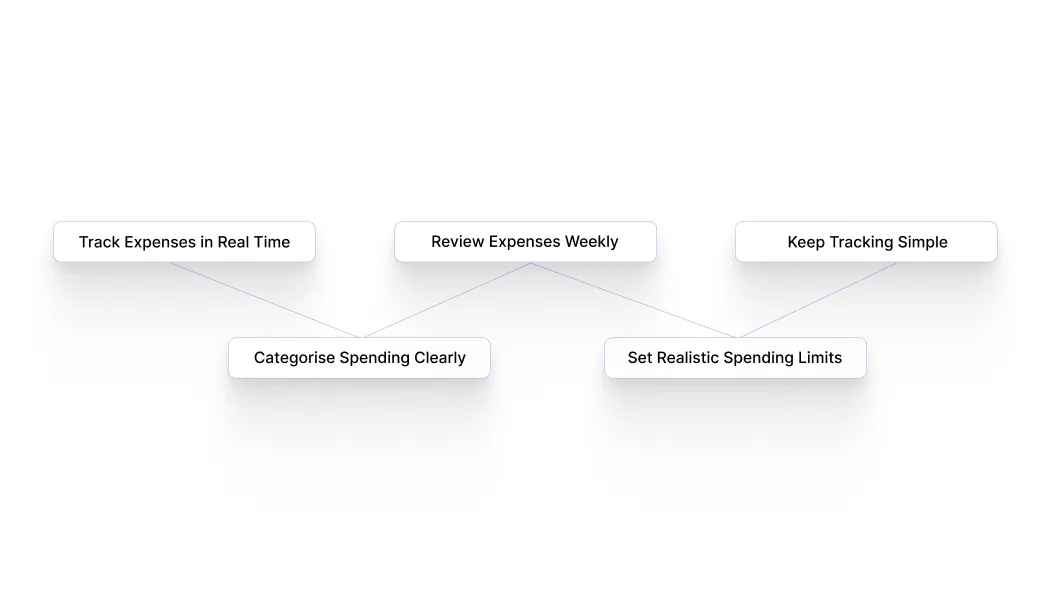
Tracking expenses works best when it follows a clear, repeatable structure, not random effort. Most effective systems rely on a few consistent actions done regularly, which turn scattered spending into something measurable and controllable.
Instead of overcomplicating the process, focus on building a simple routine you can stick to daily or weekly.
1. Record Every Expense in Real Time
The biggest mistake in expense tracking is delay. When you rely on memory later, small transactions are often missed, leading to incomplete and inaccurate data.
Instead, record expenses immediately after spending. This keeps your data accurate and prevents the common “I’ll do it later” gap that breaks most tracking systems.
For example, logging a ₹150 food order or a ₹50 auto ride instantly may seem small, but over a month, these overlooked spends can add up to ₹2,000–₹4,000 without you realising it.
2. Categorise Spending Clearly
Tracking without categorisation is just collecting numbers. Without clear categories, it becomes difficult to understand where your money is actually going.
Group your expenses into simple buckets like essentials, lifestyle, and discretionary spending. This makes patterns visible and helps identify areas where you can cut back.
For instance, what looks like “miscellaneous” spending could actually be repeated subscriptions or frequent food delivery orders that are easy to optimise.
3. Review Your Expenses Weekly
Most people only check their spending at the end of the month, when it is already too late to fix anything. Regular reviews help you catch problems early and stay in control.
A weekly check allows you to adjust spending before it becomes a habit. It also helps you stay aware of trends rather than reacting after the damage is done.
For example, noticing mid-week overspending on dining can help you correct it immediately instead of realising it after your budget is already stretched.
4. Set Limits Based on Actual Behaviour
Budgeting often fails because it is based on ideal numbers, not real spending patterns. Tracking gives you real data, which should guide your limits.
Instead of forcing unrealistic budgets, set spending limits based on what you actually spend, then optimise gradually. This makes your system sustainable.
For example, if you consistently spend ₹6,000 on food, setting a ₹3,000 budget will not work. A gradual reduction to ₹5,000 is more realistic and effective.
5. Adjust and Simplify Your System
A tracking system only works if you can stick to it. Overcomplicating categories or using tools that feel like effort often leads to drop-off.
Keep your system simple and flexible. The goal is not perfection, but consistency over time.
For instance, using just 4–5 categories and a simple app or notes system is far more effective than maintaining a complex spreadsheet you stop using after a week.
For smaller urgent expenses between ₹1,000 and ₹25,000, apps like Pocketly can be a practical option when you need quick access and a simple process. Apply now!
Read More: How to Achieve a Perfect 900 CIBIL Score?
Best Apps to Track Monthly Expenses in 2026
Once you have a system in place, the right app can reduce manual effort and improve consistency. Most modern expense trackers either automate tracking through SMS/bank data or help you manually log and analyse spending patterns.
The key is to choose a tool that fits your behaviour, not just the one with the most features.
1. Walnut (Axio)
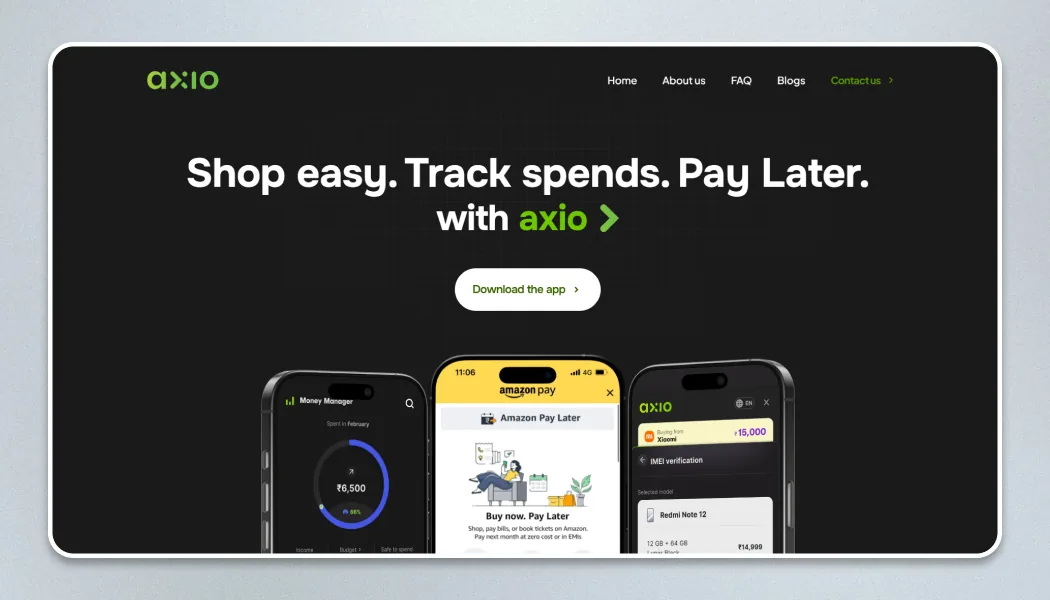
Walnut is one of the most widely used expense tracking apps in India, known for its SMS-based automatic tracking that records transactions without manual input.
Key features:
-
Auto-detects expenses from SMS alerts
-
Categorises spending (food, travel, bills, etc.)
-
Bill reminders and monthly summaries
Pros:
-
Minimal manual effort required
-
Works well for UPI-heavy users
-
Beginner-friendly and quick to set up
Cons:
-
May misread or miss some transactions
-
Requires SMS access, which some users may find intrusive
2. Money Manager
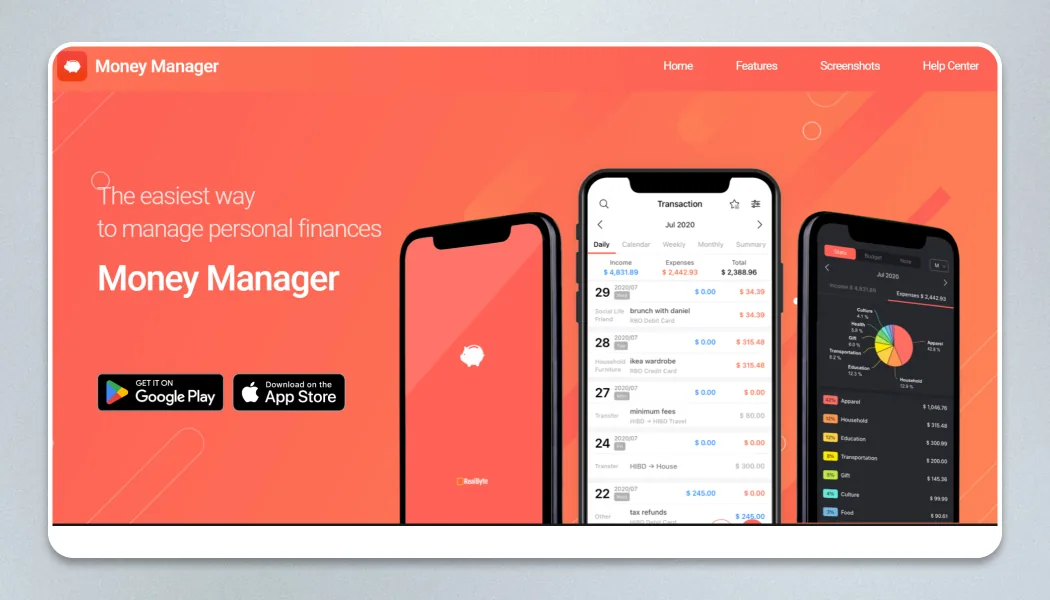
Money Manager is better suited for users who prefer manual tracking with detailed insights and reports.
Key features:
-
Expense categorisation and budgeting tools
-
Visual reports and charts
-
Calendar-based expense tracking
Pros:
-
High control and accuracy
-
Clear visual breakdown of spending
-
Good for disciplined users
Cons:
-
Requires manual entry
-
Can feel time-consuming over time
3. Spendee
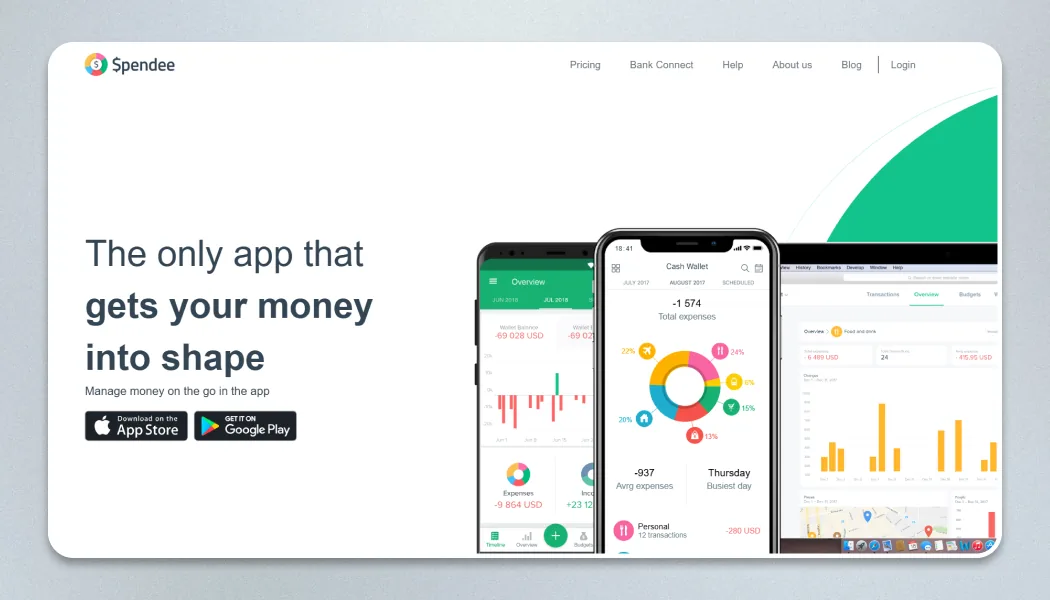
Spendee focuses on simplicity and shared expense tracking, making it useful for beginners or group usage.
Key features:
-
Shared wallets for group expenses
-
Visual dashboards and category tracking
-
Multi-device syncing
Pros:
-
Easy to use and visually intuitive
-
Good for shared living or couples
-
Balanced features without complexity
Cons:
-
Some features require paid access
-
Syncing issues are reported occasionally
4. Goodbudget
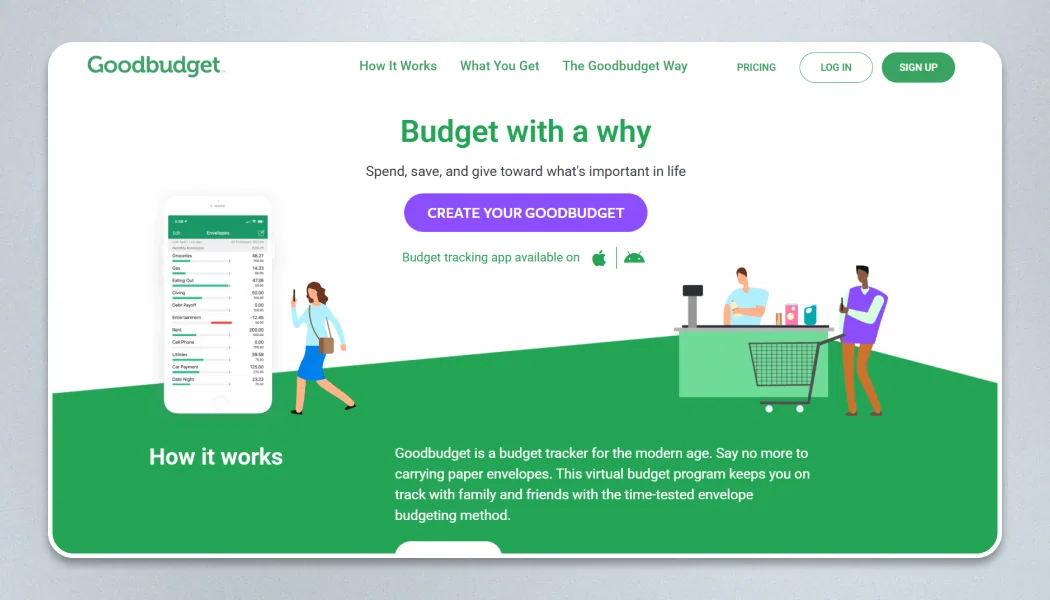
Goodbudget is built around the envelope budgeting method, where you allocate money to categories before spending.
Key features:
-
Virtual envelopes for spending categories
-
Manual expense tracking
-
Cross-device syncing
Pros:
-
Strong spending discipline
-
Great for planning in advance
-
Useful for households
Cons:
-
No automatic tracking
-
Requires consistent manual effort
5. ET Money
ET Money goes beyond expense tracking by combining it with investment and financial planning tools.
Key features:
-
Expense tracking and budgeting
-
Mutual fund and investment tracking
-
Tax-saving insights
Pros:
-
All-in-one financial view
-
Useful for long-term planning
-
Free to use
Cons:
-
Can feel overloaded if you only need expense tracking
-
Less focused on pure spending behaviour
Read More: Quick NBFC Personal Loans for People with Bad Credit Score in India
Common Expense Tracking Mistakes That Reduce Its Effectiveness
Even small mistakes in expense tracking can distort your financial picture. Most people don’t realise these errors because they don’t affect daily spending immediately—but over time, they reduce accuracy and decision-making.
1. Tracking Inconsistently
Risk: Skipping entries or delaying updates leads to incomplete data, making it difficult to understand actual spending patterns.
Mitigation: Record expenses in real time or set a fixed daily habit. Consistency ensures your data reflects reality, not assumptions.
2. Ignoring Small Daily Expenses
Risk: Frequent small purchases like food orders, subscriptions, or quick payments quietly add up, creating gaps between perceived and actual spending.
Mitigation: Track every expense, no matter how minor. Even ₹50–₹100 spends, when repeated, can significantly impact your monthly budget.
3. Using Vague Categories
Risk: Grouping expenses under labels like “miscellaneous” hides where money is actually going, making it harder to identify waste.
Mitigation: Use clear and specific categories. This helps you spot patterns like overspending on food delivery, subscriptions, or impulse buys.
4. Relying Only on Memory or Statements
Risk: Depending on memory or monthly statements, it misses real-time spending and often excludes cash or small transactions.
Mitigation: Combine real-time tracking with periodic reviews. This ensures no expense is overlooked and your data stays complete.
5. Tracking Without Reviewing or Acting
Risk: Recording expenses without analysing them turns tracking into a passive activity, offering no real financial improvement.
Mitigation: Review your data weekly and make small adjustments. Tracking only works when it leads to better spending decisions.
Facing a Cash Gap? How Pocketly Helps You Stay Financially Consistent
Even with proper expense tracking, financial gaps can still happen. Income follows a fixed cycle, but expenses are often unpredictable. A medical bill, urgent travel, or a delayed payment can disrupt your plan, even when your spending is under control.
This is where short-term credit plays a role, not as a long-term solution, but as a way to maintain consistency without breaking your financial system.
Pocketly operates in this space by offering structured, transparent access to small-ticket loans designed for short-term liquidity needs.
As a digital lending platform, Pocketly supports users by:
-
Offering small loan amounts between ₹1,000 and ₹25,000, helping you handle immediate gaps without borrowing more than required
-
Providing a fully digital process with quick KYC-based verification, removing delays and paperwork
-
Maintaining clear pricing, with interest starting from 2% per month and processing fees typically between 1% to 8%
-
Enabling fast bank transfers after approval, useful for time-sensitive expenses like bills or EMIs
-
Allowing flexible repayment options, so instalments can fit alongside your existing monthly commitments
Download the Pocketly app today on [Android] or [iOS] to access funds instantly and keep your finances steady, no matter what comes your way.
FAQs
1. How can I track my monthly expenses easily?
You can track monthly expenses by recording every transaction, categorising spending, and reviewing it regularly using apps, spreadsheets, or simple notes.
2. What is the best way to track daily expenses?
The best way is to record expenses in real time and review them weekly, so you don’t miss small spends or rely on memory.
3. Which app is best to track monthly expenses in India?
Popular options include Walnut, Money Manager, and ET Money, depending on whether you prefer automatic tracking or manual control.
4. Why is tracking monthly expenses important?
Tracking helps you understand spending patterns, avoid unnecessary expenses, and prevent month-end cash shortages.
5. How do I track expenses without using an app?
You can use a notebook, notes app, or spreadsheet to manually record and categorise expenses for better visibility.
6. What expenses should I track every month?
You should track fixed expenses, variable spending, irregular costs, and small daily purchases, as all of them impact your budget.
7. Can tracking expenses help me save money?
Yes, tracking highlights unnecessary spending and helps you make better financial decisions, which can improve savings over time.