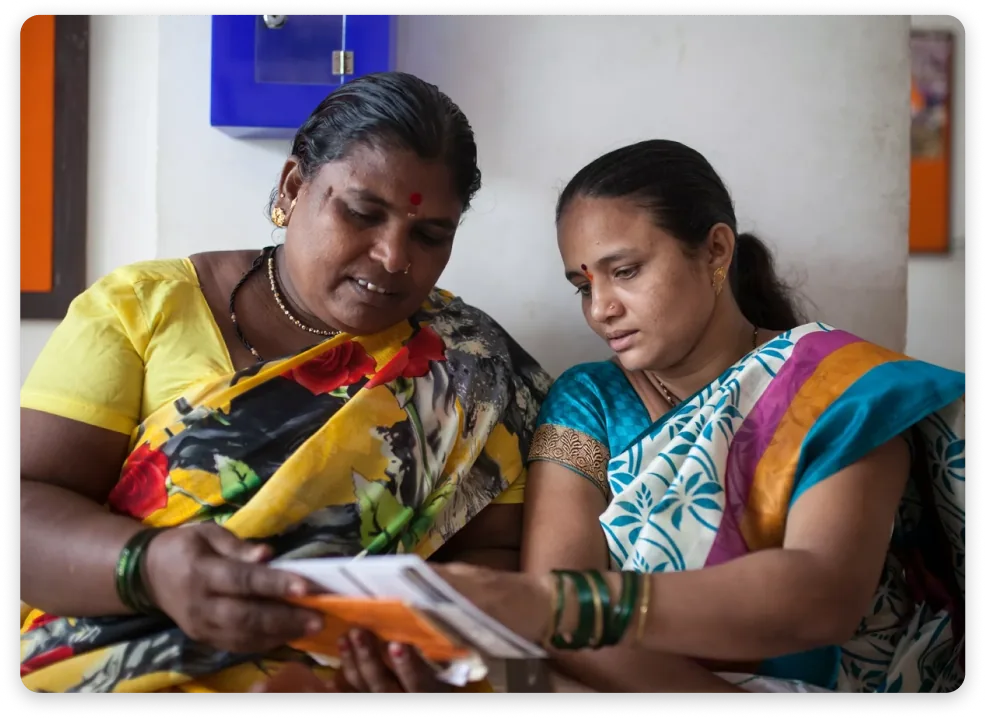


Many women earn, save, and support their families, yet financial decisions like investing, retirement planning, or managing debt often feel confusing. Without clear financial knowledge, even smart professionals may rely on others for important money decisions or delay investing altogether.
The gap is real and measurable. According to a survey, only about 21% of women in India are financially literate, meaning most lack a basic understanding of concepts like inflation, interest, and risk.
This gap has real consequences. It can limit wealth creation, reduce financial independence, and make long-term planning far more difficult.
Financial literacy changes that. When women understand how money works, they gain the confidence to manage income, invest wisely, and plan for the future. This blog explains what financial literacy for women means and the practical steps to build stronger financial habits and lasting financial security.
Key Takeaways
-
Financial literacy helps women move beyond earning and saving to confidently manage budgeting, investing, debt, and long-term financial planning.
-
Structural challenges like the gender pay gap, career breaks, and longer life expectancy make strong financial knowledge especially important for women.
-
Building core skills such as tracking expenses, creating an emergency fund, and managing credit responsibly lays the foundation for financial stability.
-
Consistent investing and early retirement planning allow women to take advantage of compounding and build wealth over time.
-
By learning key money concepts and developing disciplined habits, women can gain financial independence and make informed financial decisions.
What Is Financial Literacy for Women?
Financial literacy is the ability to understand and manage money with confidence. It helps individuals make informed decisions about spending, saving, investing, and planning for the future.
For women, this knowledge is especially powerful because financial decisions often shape lifelong independence and security.
At its core, financial literacy helps women answer critical questions such as:
-
How should I budget my income effectively?
-
How much should I save for emergencies?
-
When and where should I start investing?
-
How can I manage loans or credit responsibly?
-
How do I plan financially for major life goals?
These skills go beyond basic money management. They help women build financial confidence, prepare for unexpected situations, and make decisions that support stability.
In simple terms, financial literacy is not just about earning money. It is about understanding how money works and using it to create security, independence, and growth over time.
Why Financial Literacy Is Especially Important for Women
Financial decisions influence stability, independence, and wealth. However, women often face structural and social factors that make financial literacy even more important.
Several realities affect how women earn, save, and grow their money:
-
Gender Pay Gap: Women continue to earn less than men on average, which slows overall wealth creation. According to the International Labour Organisation (ILO), women globally earn about 20% less than men, reducing lifetime savings and investment potential.
-
Career Breaks and Caregiving Responsibilities: Many women pause their careers to care for children or family members. These interruptions can slow career growth, reduce overall earnings, and impact retirement savings.
-
Longer Life Expectancy: Women generally live longer than men. This means their retirement savings must last longer, making early financial planning and investing especially important.
-
Lower Participation in Financial Decisions: In many households, financial planning and investment decisions are still primarily handled by men. When women are less involved in these discussions, opportunities to build financial knowledge and confidence can be limited.
Understanding these challenges makes financial literacy even more valuable. When women actively manage their finances, they gain greater control over their future and build stronger financial security over time.
5 Core Financial Skills Every Woman Should Master
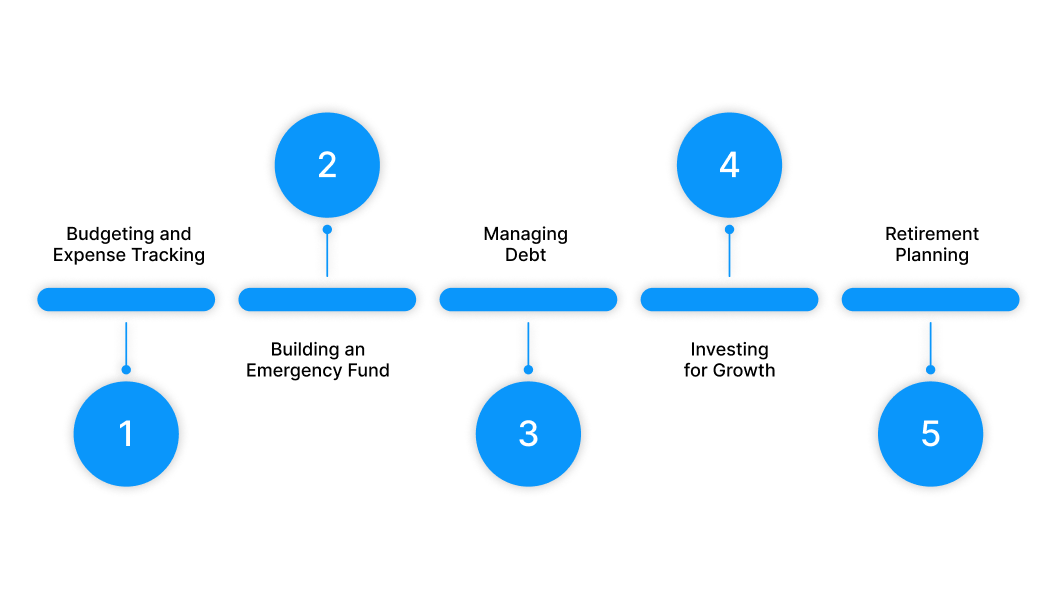
Money becomes easier when you break it down into practical skills. These core financial habits help women manage income wisely, build savings, and grow sustainable financial security.
1. Budgeting and Expense Tracking
Understanding where your money goes is the first step toward financial control. Without tracking expenses, it is easy to overspend without realising it.
Start by reviewing your monthly income and listing fixed costs such as rent, groceries, utilities, and transportation. Then examine variable spending like shopping, dining, or subscriptions.
Many people discover that small recurring expenses quietly add up. For instance, unused subscriptions, frequent app purchases, or impulse online shopping can collectively cost several thousand rupees each month. Redirecting even a portion of this amount toward savings can quickly improve financial stability.
2. Building an Emergency Fund
Unexpected events can disrupt even well-planned finances. Medical emergencies, sudden job changes, or urgent home repairs can create financial pressure if you are unprepared.
An emergency fund acts as a financial buffer that protects you during uncertain periods. Ideally, it should cover three to six months of essential living expenses.
For example, if your basic monthly expenses are ₹30,000, building an emergency fund of ₹90,000 to ₹1,80,000 can provide crucial support without relying on high-interest loans or credit cards.
3. Managing Debt Responsibly
Debt itself is not always harmful, but poorly managed debt can quickly become overwhelming. High-interest credit cards and personal loans often carry interest rates that grow rapidly if balances remain unpaid.
Start by reviewing all existing debts, including the total balance, interest rate, and repayment schedule. Prioritise clearing high-interest debt first while continuing minimum payments on other obligations.
Reducing expensive debt early can save a significant amount in interest payments and free up income for savings or investments.
4. Investing for Long-Term Growth
Saving money protects your finances, but investing helps your money grow. Over time, investments can benefit from compounding, where returns generate additional returns.
Begin with simple and consistent investment options such as systematic investment plans or diversified mutual funds. These allow individuals to invest smaller amounts regularly instead of making large one-time investments.
For instance, investing ₹5,000 each month through a systematic investment plan can gradually build wealth and help achieve goals like buying a home, funding education, or building retirement savings.
5. Planning for Retirement Early
Retirement planning ensures financial independence in later years. The earlier you begin saving and investing, the more time your money has to grow through compounding.
Starting early also reduces the pressure of saving large amounts later in life. Even small contributions made consistently over time can create a substantial retirement fund.
For example, someone who begins investing in their twenties may accumulate significantly more wealth by retirement compared with someone who starts a decade or two later.
Make short-term cash gaps easy to manage. Pocketly gives ₹1,000–₹25,000 instantly, helping you pay on time. Apply in minutes and cover urgent payments without hassle.
Step-by-Step Guide to Improving Financial Literacy for Women
Understanding money is not something that happens overnight. Financial literacy develops through consistent habits, learning, and practical experience. By taking small, deliberate steps, women can gradually build the expertise and confidence needed to manage their finances effectively.
1. Understand Your Current Financial Situation
Before improving your finances, you need a clear picture of where you stand. Many people avoid reviewing their finances, which makes it harder to make informed decisions.
Start by outlining your sources of income, monthly expenses, existing savings, and any outstanding debts. This simple exercise reveals spending patterns and helps identify areas where you can improve.
For example, reviewing your finances may show that a large portion of your income goes toward non-essential expenses. Recognising this allows you to adjust your spending and prioritise savings.
2. Set Clear Financial Goals
Financial goals give direction to your money decisions. Without clear goals, it becomes difficult to stay disciplined with saving or investing.
Classify your goals into three different categories: short-term, medium-term, and long-term. Short-term goals may include setting up an emergency fund, while long-term goals could involve buying a home or planning retirement.
For instance, saving ₹5,000 every month toward an emergency fund can help you reach a ₹1 lakh safety net within a few years.
3. Learn Key Financial Concepts
Building financial literacy requires understanding a few essential concepts that influence how money grows or loses value.
These include inflation, interest rates, compounding, and diversification. Knowing how these concepts work can help you make smarter decisions about savings, investments, and borrowing.
For example, understanding inflation helps explain why money kept idle in a savings account may lose purchasing power over time.
4. Start Saving and Investing Consistently
One of the biggest mistakes people make is waiting for the perfect time to start saving or investing. In reality, consistency matters far more than timing.
Even small contributions made regularly can grow significantly over time. Automating savings or investments can make the process easier and remove the temptation to skip contributions.
For example, setting up a monthly systematic investment plan ensures that a portion of your income is invested automatically before it can be spent elsewhere.
5. Keep Learning About Personal Finance
Financial knowledge evolves as markets, technology, and economic conditions change. Staying informed helps you adapt your financial strategy over time.
Reading finance books, following credible financial educators, or taking online courses can gradually improve your understanding of money management.
Over time, these learning habits can help you make more confident decisions about budgeting, investing, and future financial planning.
Common Financial Mistakes Women Should Avoid
Improving financial literacy is not only about learning the right money habits. It also involves recognising decisions that can weaken financial stability. Many women face financial setbacks due to limited financial awareness or hesitation in taking control of financial decisions.
Understanding these common mistakes early can help women make more confident and informed financial choices.
Mistakes That Can Affect Financial Stability

-
Avoiding financial planning: Delaying budgeting, saving, or investing can make it hard to track expenses and set financial goals. Without a clear plan, managing money becomes reactive rather than intentional.
-
Postponing investments: Many people assume investing requires large sums of money or advanced expertise. As a result, they delay getting started. Beginning early, even with small contributions, allows investments to grow steadily through compounding.
-
Depending entirely on others for financial decisions: When financial responsibilities are handled solely by a partner or family member, it can limit awareness and control over personal finances. Understanding savings, investments, insurance, and debts helps maintain financial independence.
-
Ignoring retirement planning: Retirement planning is often postponed because it feels distant compared to immediate financial needs. Starting early gives investments more room to grow and lowers the pressure of saving larger amounts later.
-
Not negotiating income or financial opportunities: Hesitating to negotiate salary or compensation can affect long-term earning potential. Evaluating market pay levels and discussing compensation confidently can significantly improve financial growth over time.
Recognising these mistakes helps women strengthen their financial decision-making and build greater financial security.
Never Miss a Payment Again with Pocketly by Your Side
Unexpected bills, EMIs, or gaps between salary payments can throw your finances off balance and impact your credit. Pocketly acts as a fast, flexible safety net, helping you stay on top of payments, avoid penalties, and keep your financial life stress-free.
Why Pocketly works for you:
-
Never miss a payment: Cover EMIs or urgent bills on time, avoiding late fees, penalties, and CIBIL score hits, even if your salary is delayed.
-
Borrow only what you need: Get instant access to ₹1,000–₹25,000 for emergencies without accumulating unnecessary debt.
-
Fast & fully digital: Apply in minutes and receive funds directly in your bank account, no long forms or paperwork.
-
No strict credit checks: No perfect credit history, collateral, or guarantor required, designed for real-life financial emergencies.
-
Flexible repayments: Choose a schedule that fits your income cycle, making repayments easy and manageable.
-
Transparent costs upfront: Interest starts at 2%/month, with processing fees of 1%–8%, no hidden charges.
-
All-in-one convenience: Track, manage, and repay directly from the app, keeping your finances organised and under control.
Pocketly is your reliable partner for paying urgent bills, safeguarding your credit, and staying in control without affecting your savings or monthly budget.
Download Pocketly on iOS or Android and never let sudden cash needs derail your financial plan.
FAQs
1. What is financial literacy for women?
Financial literacy for women refers to the ability to understand and manage money effectively. It covers skills such as budgeting, saving, investing, handling debt, and planning for long-term financial security.
2. Why is financial literacy important for women?
Financial literacy helps women make informed money decisions, achieve financial independence, and prepare for life events such as career breaks, retirement, or unexpected expenses.
3. How can women improve their financial literacy?
Women can improve financial literacy by learning basic financial concepts, tracking expenses, setting financial goals, reading personal finance resources, and starting small with saving and investing.
4. What are the basic financial skills every woman should learn?
Essential skills include budgeting, building an emergency fund, managing debt, knowing your investments, and planning for retirement.
5. How can women start investing with little money?
Women can start investing with small amounts through options like mutual funds, SIPs, or other beginner-friendly investment platforms that allow gradual wealth building over time.